Peckforton is a picturesque village that embodies the best of rural Cheshire living. The entire village is designated as a Conservation Area, reflecting its outstanding architectural and historic significance. The village is perhaps most famous for Peckforton Castle, a stunning Victorian castle that now operates as a hotel and wedding venue, providing significant local employment and contributing to the area's distinctive character. The presence of this landmark, alongside numerous Grade I and Grade II listed buildings, creates a built environment of considerable heritage value.
The geology of the area consists predominantly of Triassic sandstones, including the Helsby Sandstone Formation and Wilmslow Sandstone Formation, with superficial deposits including glacial till (boulder clay). This clay-rich substrate presents a moderate to high shrink-swell risk, which can affect foundations, particularly in properties with shallow foundations. We always advise buyers to be aware that ground conditions may influence structural considerations, and a thorough survey is recommended for older properties. Flood risk in Peckforton is primarily from surface water rather than river flooding, with low-lying areas and drainage paths requiring attention during periods of heavy rainfall.
Transport links from Peckforton are a key selling point for commuters and families. The village benefits from proximity to the A51, providing access to Chester, Crewe, and the wider motorway network. Rail connections can be found in nearby Nantwich and Chester, offering direct services to major cities including Manchester and Birmingham. Local schools serve the community, and the nearby town of Tarporley provides everyday amenities including shops, restaurants, and medical facilities. The population consists predominantly of families and professionals who appreciate the village atmosphere while maintaining links to larger employment centres.
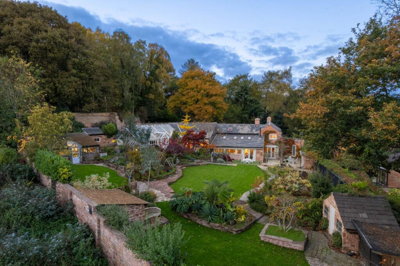
The predominant construction materials in Peckforton reflect its Cheshire setting, with many properties built using local red brick and sandstone. Traditional building techniques are evident throughout the village, with solid wall construction, timber roof structures, and suspended timber floors common in period properties. Given that the majority of properties are likely over 50 years old, and many are considerably older, prospective buyers should anticipate typical age-related issues including damp, timber decay, and roof deterioration. The character of the housing stock, with its mix of period cottages and larger estate homes, contributes significantly to the village's appeal.










 Storeys of Cheshire
-5d ago
Storeys of Cheshire
-5d ago






























