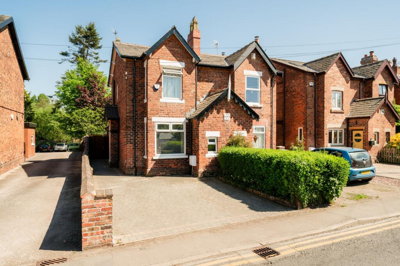
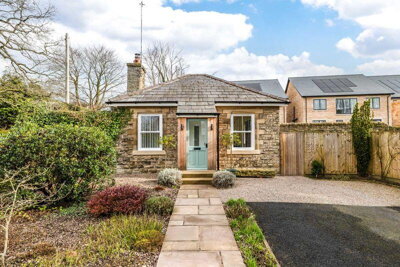
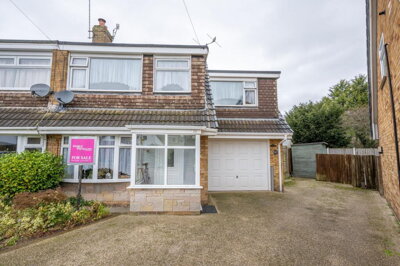
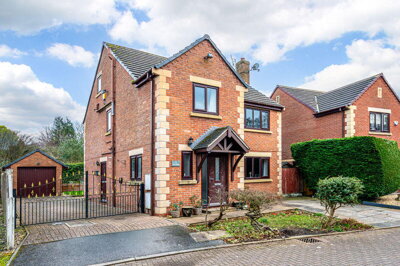
Parbold sits in the West Lancashire district, approximately 4 miles from Ormskirk and within easy reach of Wigan and Southport. The village owes much of its character to the local red sandstone, known as Parbold stone, which features prominently in historical buildings including Parbold railway station and St. Anne's Church. This distinctive geological heritage creates a warm, earthy palette throughout the conservation areas and around the village centre, where independent shops, cafes, and traditional pubs serve the local community. The Leeds and Liverpool Canal passes through the village, adding to its scenic appeal and providing popular walking and cycling routes.
Demographically, Parbold supports a population of around 2,412 residents according to Census 2021 data, with estimates suggesting a slight decline to approximately 2,369 by 2024. The village functions primarily as a commuter settlement, with brilliant transport links connecting residents to major employment centres in Wigan, Ormskirk, and beyond. The railway station on the Manchester to Southport line provides regular services, while road connections via the A5209 and proximity to the M6 motorway make car travel straightforward. This accessibility explains why Parbold remains popular with professionals seeking village living without sacrificing city access.
Local schools in Parbold and the surrounding area perform well, with primary schools serving the village and secondary options in nearby Ormskirk attracting families to the area. The community hosts various events throughout the year, and the village benefits from active local groups catering to diverse interests. For buyers with school-age children, the presence of good educational options significantly influences property demand in this area, with catchment areas playing an important role in purchase decisions.
Prospective buyers should be aware of specific local considerations when purchasing in Parbold. The village sits within a flood risk zone associated with the River Douglas, particularly affecting low-lying properties on the right bank downstream of Canal Bridge, including areas known as Burnside, Bankside, and Northdene. The British Geological Survey indicates that while shrink-swell soils are less problematic here than in south-east England, the underlying sandstone geology means foundations should be checked during surveys. Additionally, Parbold lies on the western edge of the South Lancashire coalfield, meaning a specialist mining search is advisable for older properties to assess any potential subsidence risks.











 Maria B Evans Estate Agents
-10d ago
Maria B Evans Estate Agents
-10d ago