Panfield is a small village and civil parish in the Braintree district of Essex, situated approximately three miles northwest of Braintree town centre. The village had a population of 428 residents across 168 households according to the 2021 Census, maintaining its character as a close-knit rural community. The village centre centres around St Mary and St Christopher's Church, with historic properties clustered along Panfield Lane and surrounding streets, many of which fall within the designated Conservation Area. This concentrated historic core creates a distinctive village atmosphere that appeals to buyers seeking authentic Essex village life.
The geology of Panfield presents important considerations for property owners and buyers. The underlying London Clay and glacial deposits create shrink-swell potential, meaning foundations can expand during wet periods and contract during dry spells. Properties with large trees nearby or inadequate foundations may show signs of movement over time, making structural surveys particularly valuable for older properties. The Panfield Brook running through the village creates areas of medium to high surface water flood risk, though river and coastal flooding risk remains very low. Our team regularly sees properties affected by these geological factors, and we recommend factoring this into your pricing expectations.
Transport links make Panfield attractive to commuters, with Braintree station providing services to London Liverpool Street via Chelmsford. Many residents commute to employment centres in Chelmsford, Braintree, and beyond, while the village itself maintains a rural economy influenced by agriculture and local businesses. The presence of several listed buildings, including Panfield Hall and various historic farmhouses, reflects the village's heritage and contributes to its distinctive character. Local amenities in nearby Braintree include shopping centres, schools, and healthcare facilities, ensuring residents have access to services while enjoying village living.
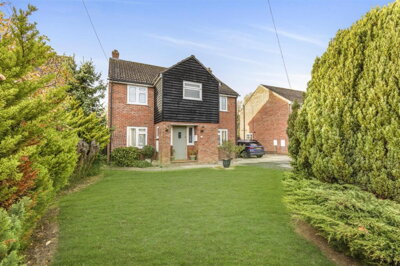
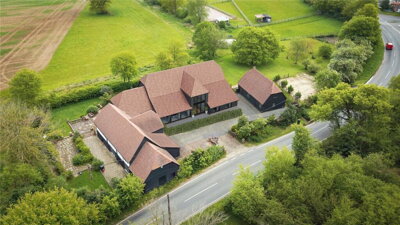
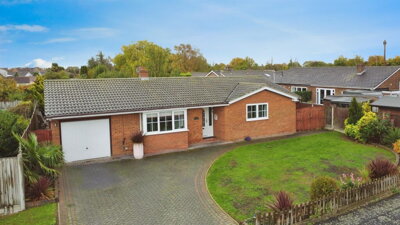
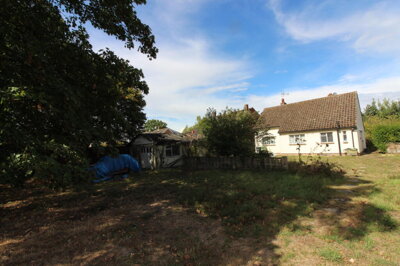
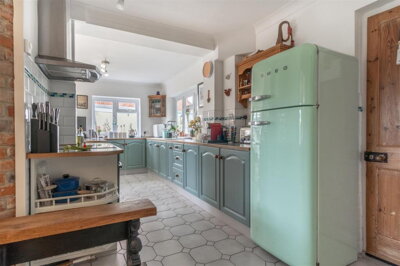
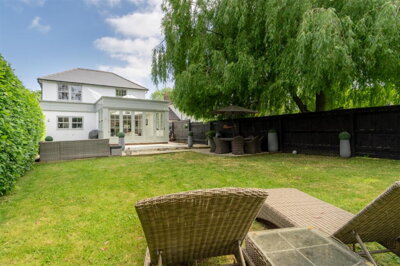
The village's housing stock reflects its historical development, with significant proportions of properties built pre-1919, particularly around the Conservation Area. Inter-war, post-war, and more recent properties are also present, creating a varied mix of traditional brick, timber-framed, and modern cavity wall constructions. This variety means agents must understand everything from period features like lath and plaster and solid walls to modern double glazing and central heating systems when marketing properties to the right buyers.











 Daniel Brewer Estate Agents
-16d ago
Daniel Brewer Estate Agents
-16d ago