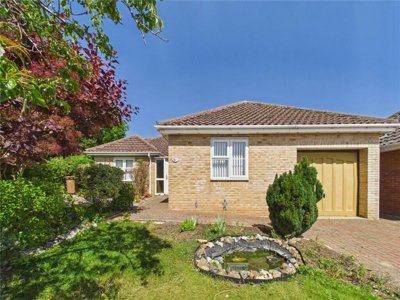
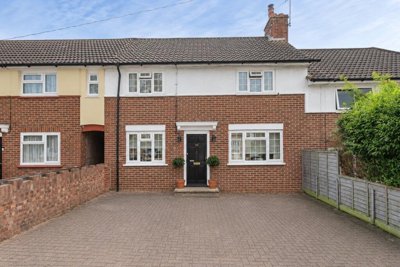
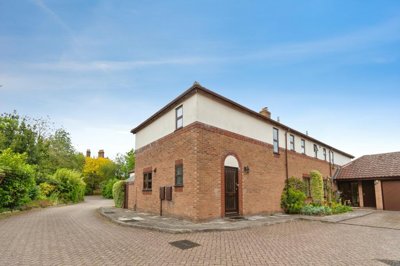
Sudbury's pricing sits at £429,246 on average, and that level hides a wide gap between compact homes and larger family stock. A 1-bed home averages £185,000, a 2-bed £250,400, and a 3-bed £372,656, so the jump from starter home to family home is steep. The CO10 1 sector has grown 4.7% over the last year, which shows that some parts of town still reward well-judged pricing. An agent who understands those bands can stop a 3-bed from being priced like a 4-bed. The same property can attract very different buyers depending on where it sits in that ladder.
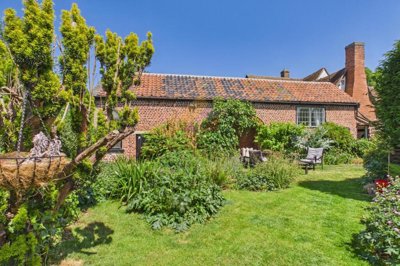
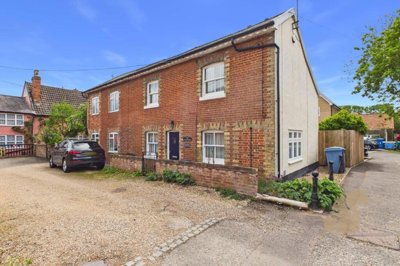
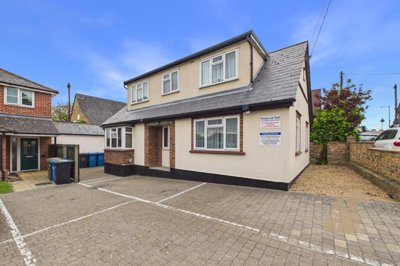
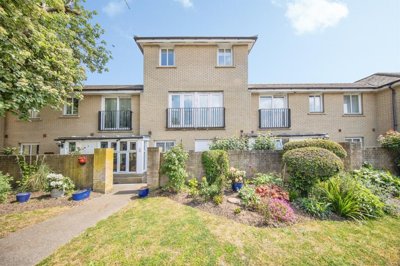
At the top end, 4-bed homes average £587,770 and 5-bed homes reach £1,006,653. Detached houses average £631,500, while flats sit at £195,667, so the gap between central apartments and larger freehold homes is substantial. Asking prices across Sudbury have eased by 2.7% in the past 6 months, which makes presentation, photography and launch timing more important than ever. A good local agent should explain where your property sits inside that spread rather than relying on a generic county-wide figure. Price discipline matters most in a town where the centre, the newer schemes and the edge-of-town homes do not all behave in the same way.
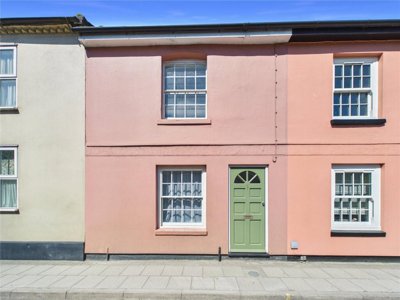
CO10 1 is the most useful postcode sector to watch because it gives a clear read on central Sudbury demand. There were 232 transactions in the sector over the last 24 months, which works out at about 116 sales a year. That level of activity tells you the market is active enough for sensible pricing to matter, but not so fast that a weak launch will fix itself. If your home is close to the town centre conservation area, the agent should have a plan for period features, parking and flood-aware buyer questions. Buyers notice those details quickly, especially when a property sits near listed buildings or along older streets.
- Price to the nearest realistic band
- Use recent local sales rather than a broad Suffolk average
- Lead with the right bedroom count
- Treat central listed homes differently from newer stock











 William H. Brown
-2d ago
William H. Brown
-2d ago