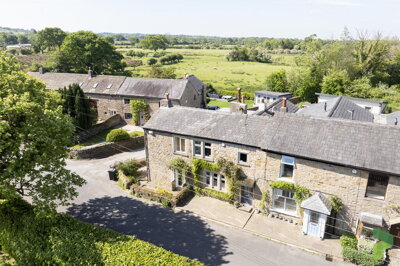
Osbaldeston is a civil parish situated in the heart of the Ribble Valley, Lancashire, offering residents a tranquil rural lifestyle while remaining within convenient reach of larger towns including Blackburn, Darwen, and Clitheroe. The village is characterized by its agricultural heritage and the presence of several notable listed buildings that speak to its historical significance, including Osbaldeston Hall, a Grade II* listed manor house dating from approximately 1593, which features rare cruck construction and represents one of the area's most significant architectural treasures. The surrounding landscape comprises productive farmland and rolling countryside that forms part of the wider Ribble Valley Area of Outstanding Natural Beauty, though the village itself sits just outside the AONB boundary.
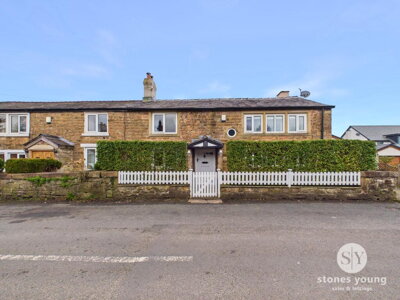
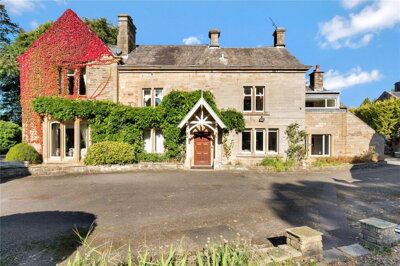
The local building heritage reflects the area's history, with properties constructed predominantly from sandstone, brick, and timber-framing, often featuring slate roofs that characterize the traditional architecture of this corner of Lancashire. Five listed buildings are recorded within the parish, including the Church of St Mary with Presbytery, built in 1836, and a Victorian school dating from 1840, both constructed in sandstone with slate roofs. This concentration of historic properties means that many homes in the village will require specialist knowledge from surveyors and conveyancers familiar with older building construction methods, including timber-framing and cruck frames that may be present in properties dating from the 16th and 17th centuries.
Transportation links serve the village primarily through the road network, with the A59 providing connections to Preston and Manchester to the south, while the M6 motorway is accessible for longer journeys. Public transport options are limited, reflecting the rural nature of the community, which means car ownership is essentially essential for residents. Local amenities are available in nearby towns, with Clitheroe offering supermarkets, schools, and leisure facilities, while the market town provides employment opportunities and services that support the surrounding rural communities. The village's small population of approximately 173 residents creates a close-knit community atmosphere that appeals to those seeking an escape from urban life.











 Mortimers
-35d ago
Mortimers
-35d ago