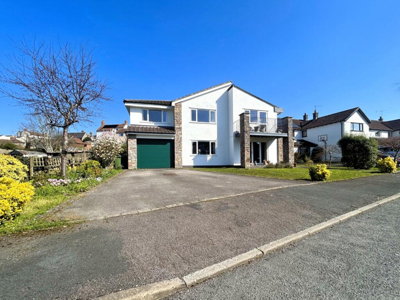
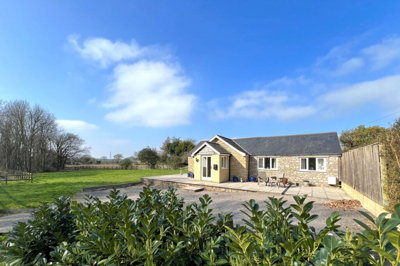
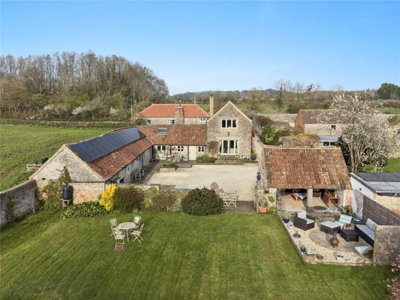
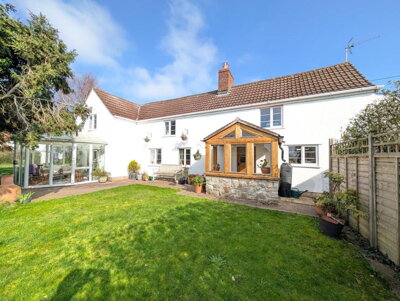
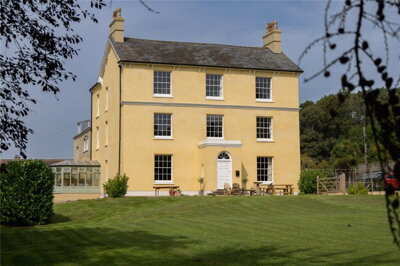
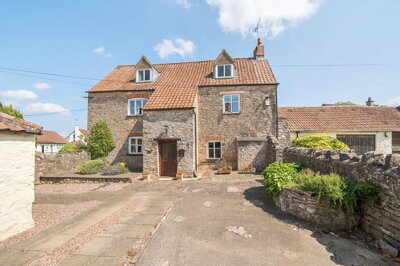
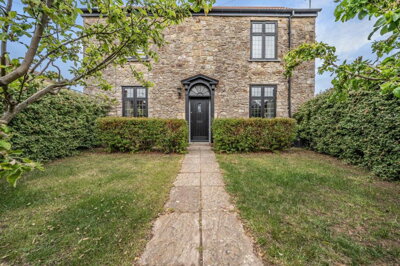
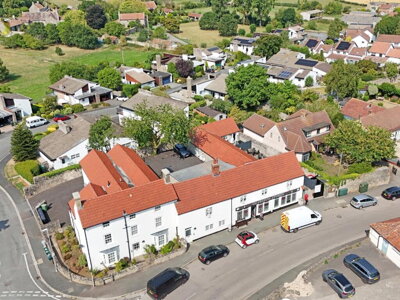
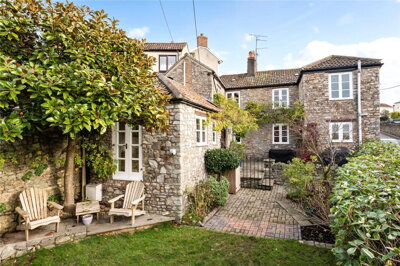
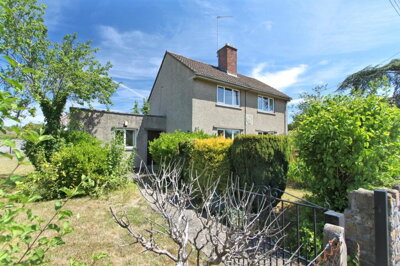
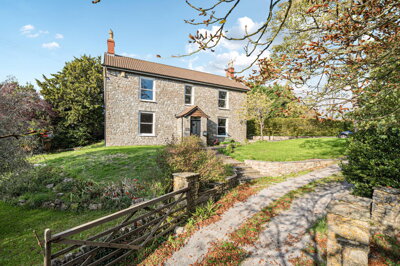
Olveston is a historic parish situated in South Gloucestershire, approximately 12 miles north of Bristol city centre, characterised by its designated Conservation Area established in 1975 to protect the village's special architectural and historic character. The conservation area encompasses a well-preserved historic village core centred on the Church of St Mary the Virgin, a Grade II* listed building originally constructed around 1170 and rebuilt in 1370. The village contains a rich variety of historic buildings, with stone construction and clay tiled roofs predominant among surviving original properties, giving the area a distinctive and attractive character.
The local geology presents important considerations for property owners, with the area featuring higher ground rising to 200 feet above river level and clay-heavy soils that create potential for shrink-swell ground movement affecting foundations. Historically, salt marshes comprised almost half of the parish, with a sea wall constructed to prevent flooding from the River Severn estuary, indicating ongoing flood risk considerations for properties in lower-lying areas. The population stands at approximately 2,033 according to the 2011 census, with significant growth in the mid-1960s following mains sewerage installation creating a mix of older period properties and homes from that building programme.
Transport links make Olveston particularly attractive to commuters, with easy access to the M4 and M5 motorway networks and regular rail services from Bristol Parkway and Bristol Temple Meads. The village sits within the Bristol Green Belt, which generally restricts new development, helping preserve the area's rural character and property values. Local amenities include village pubs, schools, and community facilities, while Bristol provides comprehensive shopping, cultural, and employment opportunities within easy reach. The presence of numerous listed buildings, including Olveston Court, a 15th-century fortified manor house now split into four residential properties, adds to the area's historic significance and architectural interest.
The local economy has shifted considerably from its agricultural roots, though farming and associated trades once dominated due to the fertile land of the Severn flood plain. Today, many former agricultural buildings have been converted to residential use or light industrial purposes, reflecting the changing economic landscape while maintaining the village's rural character.










 Lisa Costa Residential Sales & Lettings
-4d ago
Lisa Costa Residential Sales & Lettings
-4d ago