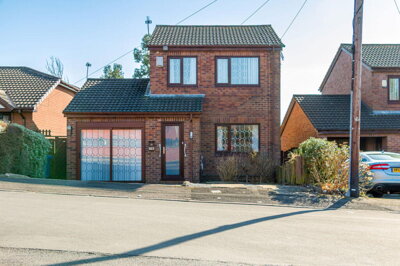
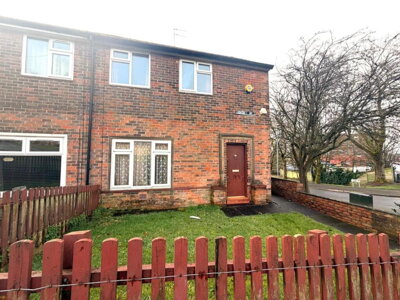
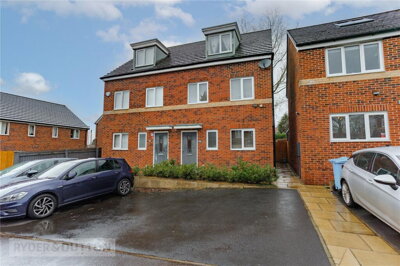
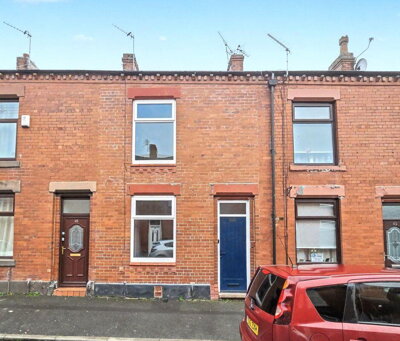
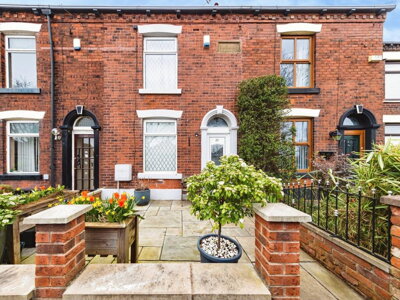
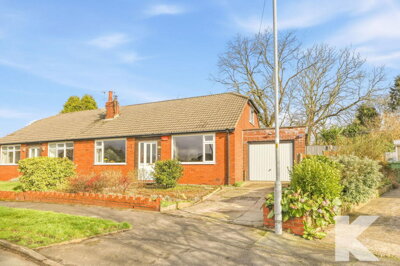
The OL8 market benefits from a mix of traditional high-street agents and online-only providers, giving sellers choices that suit their preferences and budgets. High-street agents like Hunters and Ryder & Dutton maintain physical offices in Oldham, offering face-to-face valuations, dedicated branch support, and the ability to host accompanied viewings. Their local presence means they understand neighbourhood nuances, school catchments like the popular Westwood Academy and Saddleworth School, and development activity that affects property values. These agents have built their reputations over decades in the area and often have waiting lists of pre-registered buyers actively looking for properties in OL8.
Online agents such as Yopa operate nationally with lower fixed fees, typically charging between £999 and £1,999 compared to the traditional percentage-based model of 1-3% plus VAT. Our data shows Yopa currently has 7 active listings in OL8 averaging £282,857, targeting the mid-to-upper market segment. For sellers in OL8 where the average property value is £230,350, the fee difference between a 1.5% high-street agent (approximately £3,455) and a £1,500 online alternative represents significant potential savings that could be redirected towards new carpets, decorating, or survey costs.
However, the choice is not simply about cost. Traditional agents invest in local marketing, maintain established buyer relationships, and provide negotiation expertise throughout the sales process. The higher-value properties in OL8, such as those marketed by Bridgfords with an average asking price of £297,500 and Habitat at £320,000, often benefit from the personal service and market knowledge that established high-street branches provide. These agents typically have dedicated sales progressors who chase solicitors, mortgage brokers, and chain parties to keep transactions moving, a service level that online agents often cannot match.
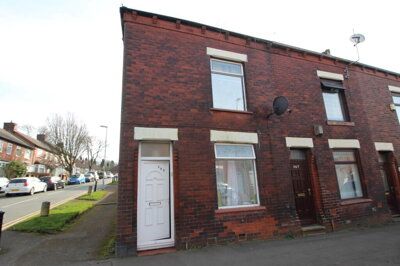
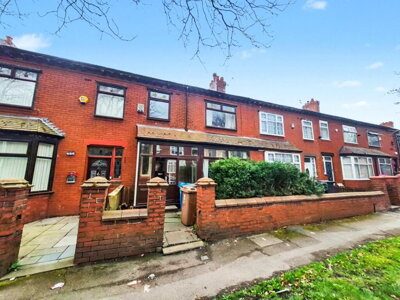
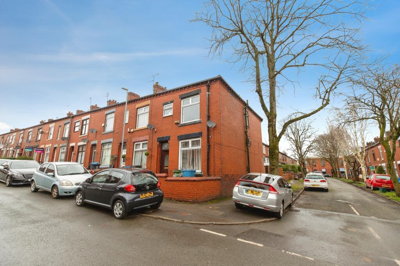
One consideration specific to OL8 is the prevalence of older properties that may require specialist advice. Properties in the area often date from the Victorian and Edwardian periods, with many constructed before 1919 using traditional brick and stone masonry. Agents with local experience understand that buyers for these properties may request surveys that identify issues common to older housing stock, and they can advise sellers on which pre-sale improvements offer the best return on investment.











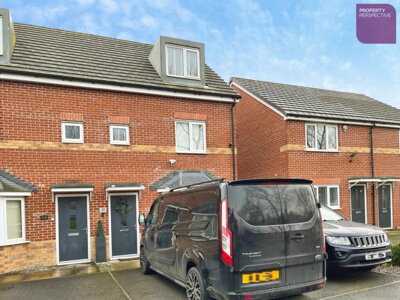
 Property Perspective
-7d ago
Property Perspective
-7d ago