Oakamoor sits nestled in the Churnet Valley, a scenic area of Staffordshire Moorlands that attracts visitors throughout the year. The village's character is defined by its relationship with the River Churnet, which flows through the centre and has historically shaped both the local economy and the built environment. The B5417 road carries substantial tourist traffic heading to Alton Towers, particularly during peak seasons, which brings both opportunity and occasional congestion to the village. The tourism dimension influences the local economy and creates year-round activity that distinguishes Oakamoor from more isolated rural villages, with the Churnet Valley cycleway also drawing recreational visitors to the area.
The geological context of Oakamoor influences both its landscape and property characteristics. Drift geology of alluvium, comprising sand, silt, and clay, covers the area south of the River Churnet, including Mill Road and Church Bank. The northern portion of the settlement sits atop Millstone Grit, with western and southern sections resting on Lower Coal Measures Formation. Properties in areas with clay-rich soils, particularly those south of the river, may face shrink-swell risks common to clay substrates, and prospective buyers should consider this when assessing older properties. The solid geology underlying the village includes sandstone formations that have historically been quarried locally, with sandstone quarry workings located to the north-west of the settlement.
Flood risk represents a practical consideration for Oakamoor property owners. The River Churnet has a designated flood warning area encompassing The Square, Mill Road, Stoney Dale, and Red Road. A flood alert was in place as recently as February 2026, indicating ongoing flood risk awareness in the area. Anyone considering a property in these areas should review flood risk assessments and consider appropriate insurance coverage. The long-term flood risk from rivers, surface water, and groundwater warrants investigation before purchase, particularly for properties in low-lying positions near the river channel. Properties in the designated flood warning areas should factor in potential insurance implications and flood resilience measures.
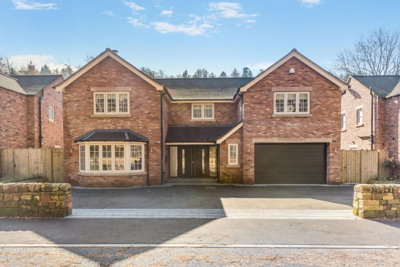
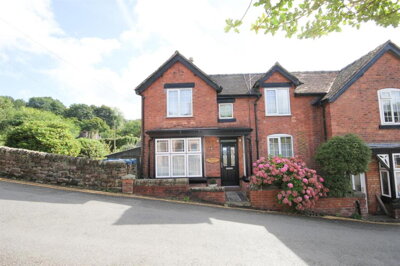
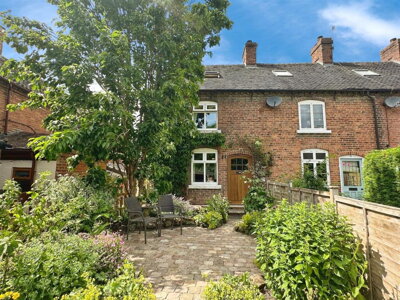
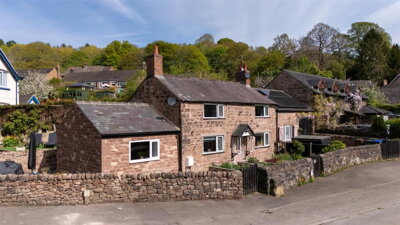
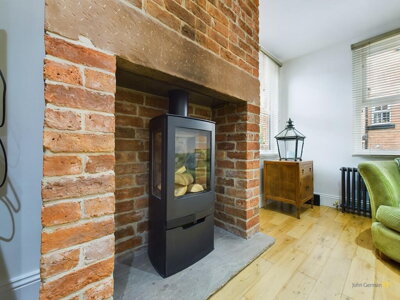
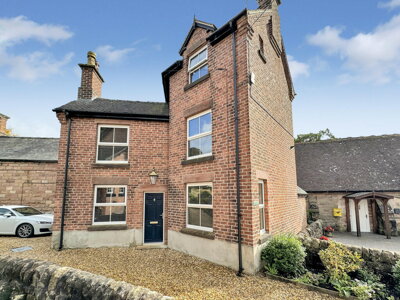
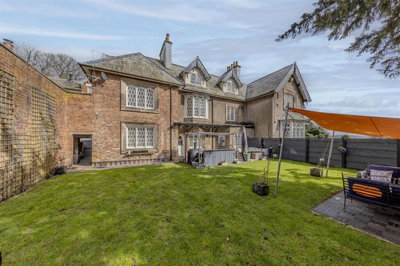
Oakamoor's built environment reflects its historical significance through 16 Grade II listed buildings and a designated conservation area. Properties within the conservation area, particularly around St Mary's Church and the village centre, are subject to specific planning constraints that protect their character. These heritage designations can influence property values positively, as buyers often seek period features and historical character, but they also impose obligations regarding maintenance and alteration. The predominant building materials include stone, brick, and render, with blue clay tiles dominating the roofing, reflecting the Staffordshire pottery industry heritage. Some older properties feature roughcast brick with slate roofs or stone construction with shaped gables, adding to the architectural variety that defines the village character.










 Denise White Estate Agents
-3d ago
Denise White Estate Agents
-3d ago