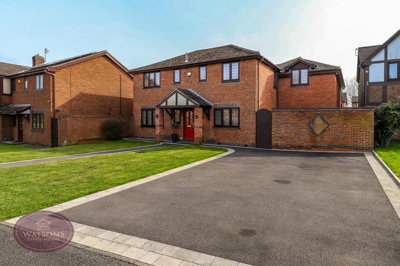
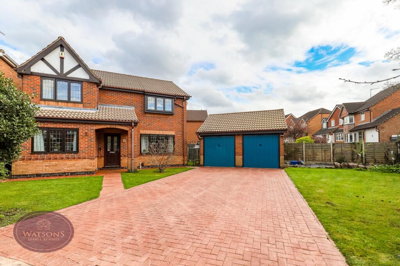
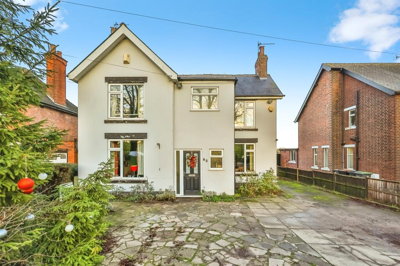
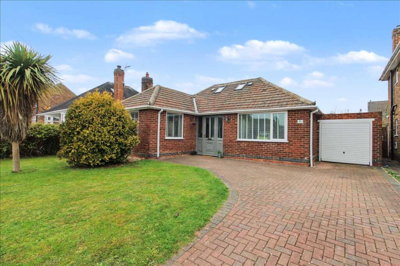
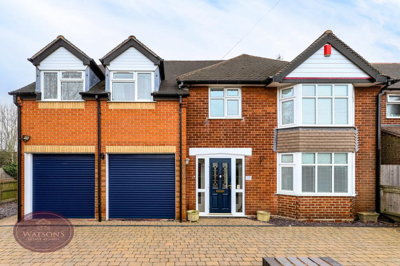
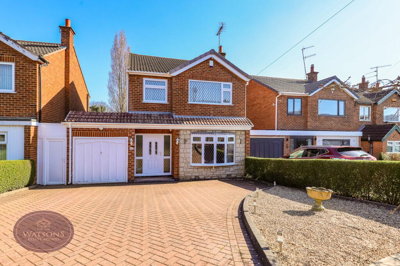
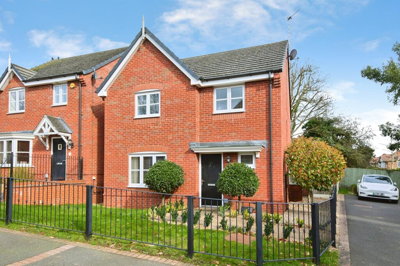
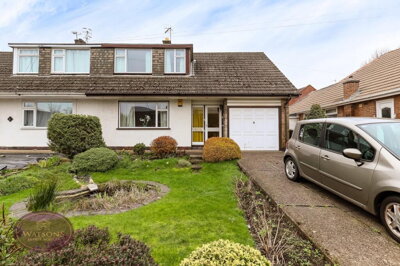
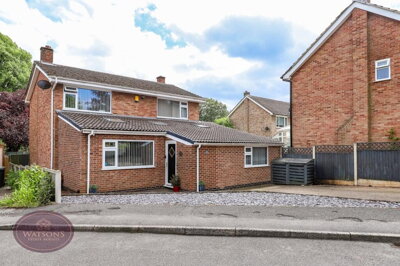
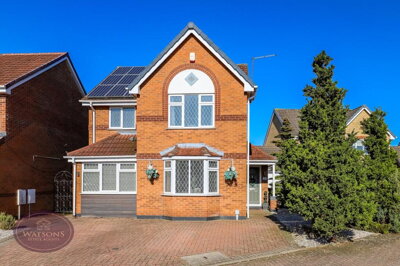
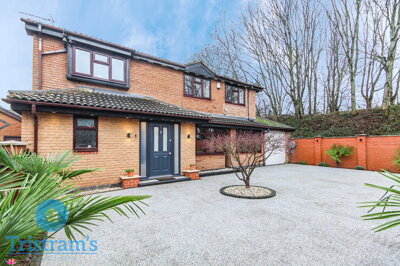
Nuthall boasts a rich historical character, with a designated conservation area centred around St. Patrick's Church and featuring distinctive stone-built cottages along Nottingham Road. The village contains 15 listed buildings, including two at Grade II* and the remainder at Grade II, with notable structures including Hempshill Hall, Home Farmhouse, and remnants from the former Nuthall Temple grounds. This heritage, combined with surrounding woodland and the distinctive lake to the south of the conservation area, creates a highly sought-after village atmosphere that appeals to buyers seeking character and history.
The demographic profile of Nuthall reveals an affluent community with 82.8 percent home ownership, significantly exceeding national averages and indicating strong economic stability. The Watnall and Nuthall West ward contains approximately 1,850 households with an average size of 2.4 persons, while the broader built-up area has a population of around 9,576 residents. Unemployment in the Broxtowe district stands at just 2.7 percent, notably below the regional average of 3.4 percent and the national figure of 3.8 percent, supporting high property values and sustained demand.
Transport connectivity significantly enhances Nuthall's appeal, with the M1 motorway, A610, and A6002 providing straightforward access to Nottingham, Derby, and the wider East Midlands. Bulwell Train Station lies approximately ten minutes' drive away, offering regular services to Nottingham city centre, while East Midlands Airport is reachable within twenty minutes for those requiring international connections. Local amenities include the Giltbrook Retail Park, traditional pubs, and charming cafes, with popular schools such as Hempshill Hall Primary and Horsendale Primary serving families with children.
From a geological perspective, Nuthall sits on clay-rich soils that present a moderate shrink-swell risk, particularly during extended dry periods or heatwaves associated with climate change. The Environment Agency classifies the area within Flood Zone 1, indicating low river flood risk, though surface water flooding can occur and has been highlighted in connection with the Hempshill Croft development. Properties in the conservation area and older stone buildings may require particular attention to drainage and foundation conditions during surveys.











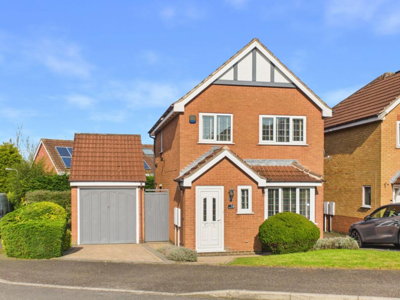
 David James Estate Agents
-4d ago
David James Estate Agents
-4d ago