Nunney is a picturesque village nestled in the Somerset countryside, approximately three miles from Frome, with a population of around 1,362 residents across approximately 570 households. The village maintains a strong sense of community, centred around the historic Church of All Saints and the ruins of Nunney Castle, a medieval moated castle that draws visitors and contributes to the area's tourism economy. The village centre is designated as a Conservation Area, reflecting the architectural significance of its stone buildings and historic layout.
The local geology presents both opportunities and considerations for property owners. The area sits on limestone bedrock, specifically the Inferior Oolite Group and Great Oolite Group, which generally provides stable ground conditions. However, clay-rich superficial deposits in valley bottoms, particularly along Nunney Brook, can pose a localized shrink-swell risk that may affect foundations, especially where mature trees are present. Properties near the brook also carry some river flood risk, and surface water flooding can occur in low-lying areas during heavy rainfall, matters that prospective buyers should investigate through appropriate surveys.
Transport links from Nunney serve commuters and families well, with the village offering reasonable access to larger towns for employment while maintaining its rural character. Many residents commute to Frome, Shepton Mallet, Bath, and Bristol for work, benefiting from the village's position that offers a balance between countryside living and connectivity. Local employment centres around agriculture, tourism related to Nunney Castle, and small businesses serving the village community.
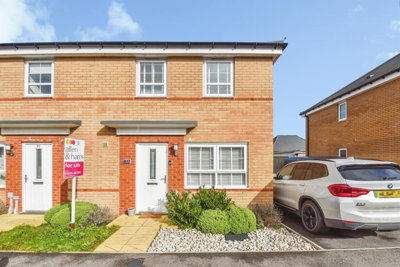
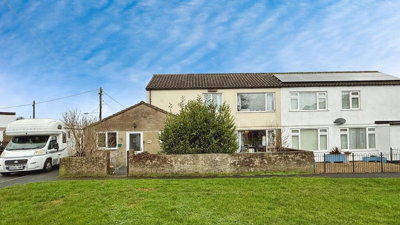
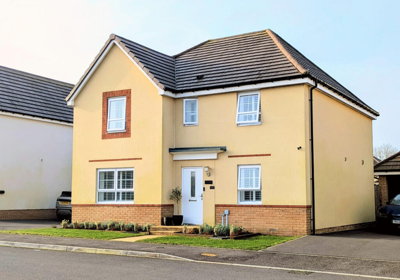
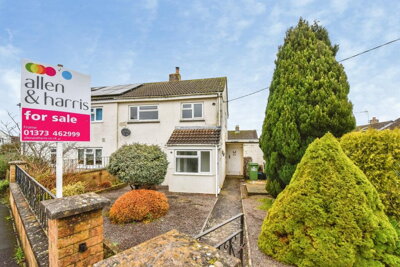
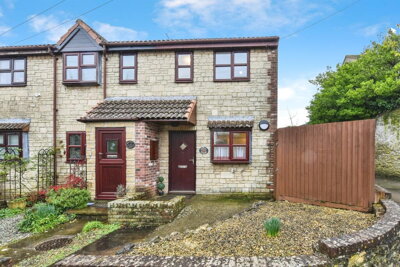
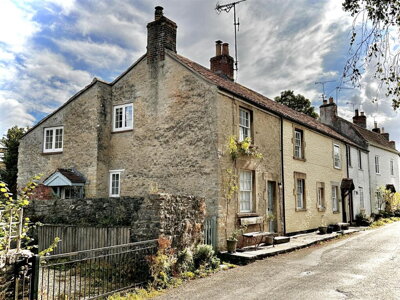
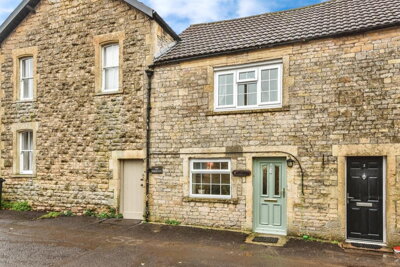
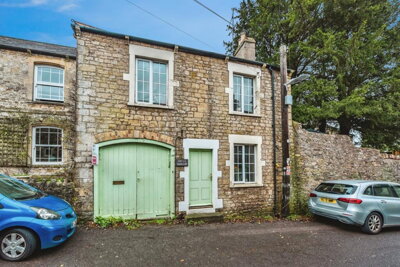
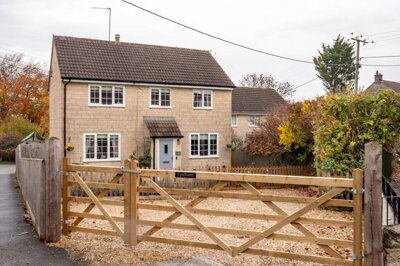
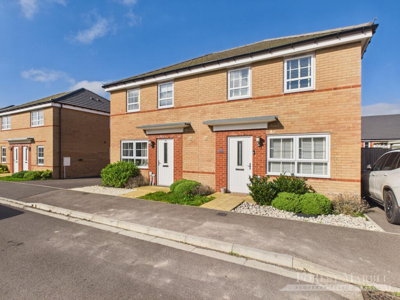
The predominant construction material in Nunney is traditional limestone, with many properties featuring local stone walls and stone tile roofs that define the village's aesthetic character. This period housing stock, much of it pre-1919, brings specific considerations for buyers including potential damp issues in solid-wall constructions, roof maintenance requirements for natural stone tiles, and the need for careful renovation that respects conservation requirements. Properties built between the wars and post-war periods add variety to the housing stock, while modern infill developments since 1980 provide options for those seeking contemporary conveniences within the village setting.










 Forest Marble
-11d ago
Forest Marble
-11d ago