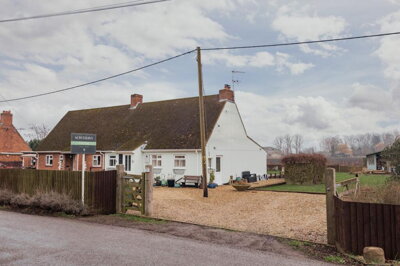
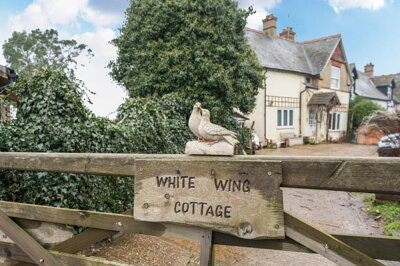
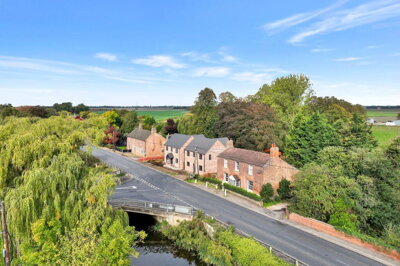
Nordelph occupies a distinctive position in the Fens landscape, sitting approximately 8 miles east of Downham Market and within easy reach of King's Lynn to the north. The village forms part of the King's Lynn and West Norfolk district, characterised by its low-lying terrain and agricultural heritage. The local economy remains predominantly agricultural, with farming and related industries serving as key employers, though proximity to larger towns provides residents with access to broader employment opportunities in retail, services, and light industry. The population of approximately 1,200 residents across 500 households creates a close-knit community atmosphere that appeals to families and retirees seeking a quieter lifestyle while remaining connected to urban amenities.
The geological setting of Nordelph presents specific considerations for property buyers. The village sits on superficial deposits of alluvium (comprising clay, silt, sand, and gravel) overlying bedrock of Gault Formation clay or Lower Greensand Group sandstone. This clay-dominated geology creates a moderate to high shrink-swell risk, meaning properties with shallow foundations may experience movement during periods of drought or excessive rainfall. Prospective buyers, particularly those considering older properties, should factor this into their surveys and property assessments. The presence of alluvial deposits also indicates the historical flooding that shaped the Fens landscape, with properties in lower-lying areas potentially requiring specialist insurance considerations.
Flood risk represents a significant environmental consideration for the Nordelph area. As part of the low-lying Fens, the village experiences areas with notable flood vulnerability from the River Great Ouse and its tributaries, as well as surface water flooding. Properties in certain locations may require flood resilience measures, and buyers should consult the Environment Agency flood maps when considering specific properties. This environmental factor makes the expertise of a local estate agent who understands the nuances of different neighbourhoods particularly valuable. Agents familiar with the Nordelph area can advise on which properties have historically performed well during flood events and which locations may present higher risk.
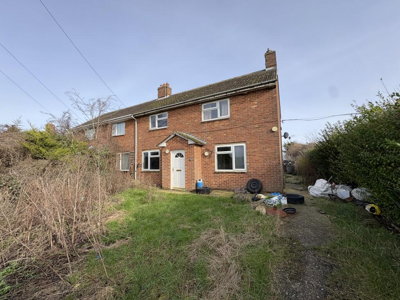
The housing stock in Nordelph reflects its evolution over several decades. According to ONS Census 2021 data, detached properties comprise approximately 45% of the housing stock, semi-detached homes account for 30%, terraced properties 20%, and flats just 5%. This profile indicates a predominantly family-oriented housing landscape with limited apartment options. Property age distribution shows 20% of homes were built pre-1919, 15% between 1919-1945, 35% during the post-war boom years of 1945-1980, and 30% since 1980. With approximately 70% of properties built before 1980, the local housing stock includes many homes that would benefit from a RICS Level 2 Survey to identify potential structural or maintenance issues.










 Auction House
-4d ago
Auction House
-4d ago