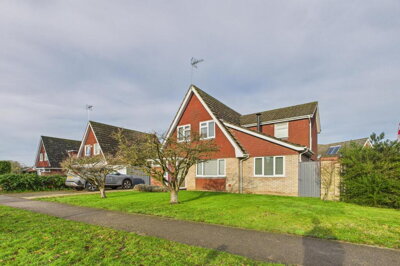
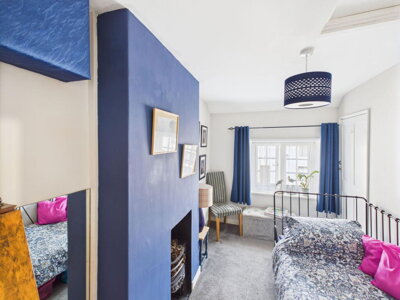
Mundford sits in the Breckland district of Norfolk, a region characterised by its distinctive sandy heathland, pine forests, and open countryside. The village has a population of approximately 1,586 residents across 679 households, according to the 2021 Census, making it a close-knit rural community with basic local amenities. The village serves as a local service centre for surrounding agricultural holdings and smaller hamlets, providing essential services including a primary school, convenience stores, and public houses. The local economy revolves largely around agriculture and tourism, with Thetford Forest nearby supporting outdoor leisure activities and related businesses.
Property age distribution shows an interesting mix: around 18.5% of homes pre-date 1919, while 35.5% were constructed between 1945 and 1980, indicating substantial post-war development. A further 34.5% of properties have been built since 1980, providing a good mix of old and new housing stock. This variety means buyers and sellers alike benefit from agents who understand the different construction methods and potential maintenance issues associated with older period homes versus more modern properties. Properties built before 1919 often feature traditional brick construction with lime mortar, while post-war homes typically utilise cavity wall construction.
Geologically, Mundford sits on chalk bedrock with superficial sand and gravel deposits, which generally indicates lower shrink-swell risk compared to clay-heavy areas, though localised variations can occur. The presence of chalk bedrock generally suggests stable ground conditions, though potential buyers should be aware that large trees in proximity to older properties could still cause foundation issues. The village does have areas susceptible to surface water flooding, particularly around the centre and roads, and the nearby River Wissey presents a potential river flooding risk for properties in low-lying positions. The Conservation Area designation covers significant portions of the village, meaning many properties are subject to specific planning constraints that experienced local agents will understand.
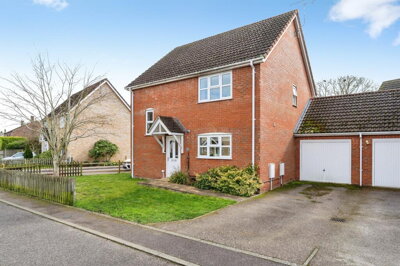
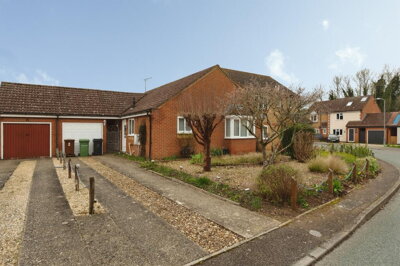
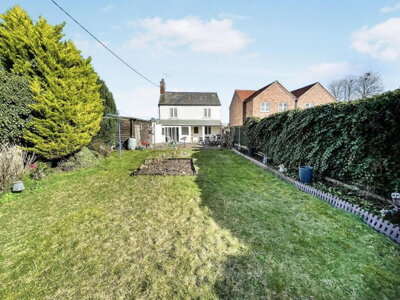
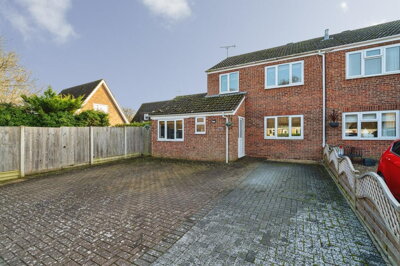
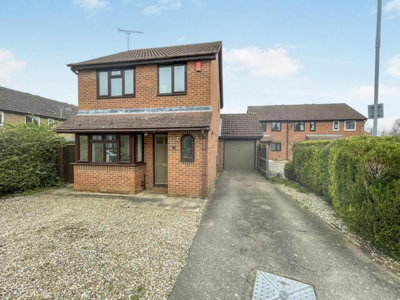
Properties in Mundford commonly feature traditional brick construction, often with red or buff brick, though some properties incorporate render or flint reflecting Norfolk building traditions. Traditional construction often involves solid brick walls, timber floors, and pitched roofs with clay tiles or slate. Post-war properties are likely to feature cavity wall construction with brick or block, concrete tiled roofs, and suspended timber or concrete ground floors. Given that approximately 65.5% of properties were built before 1980, many homes will have age-related issues such as damp, outdated electrics, or timber defects that a survey would identify.










 Molyneux Estate Agents
-8d ago
Molyneux Estate Agents
-8d ago