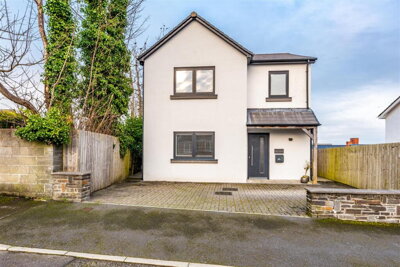
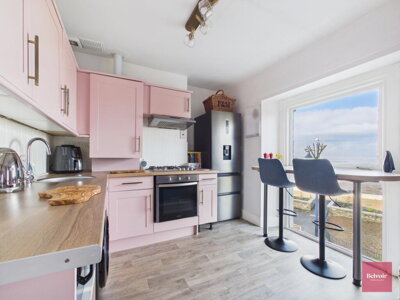
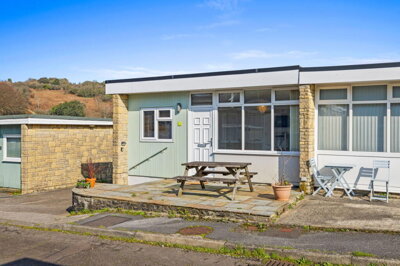
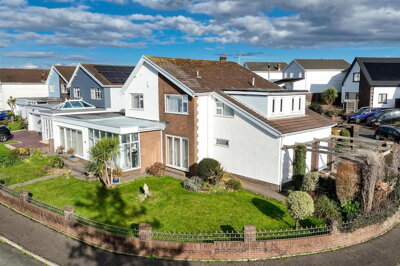
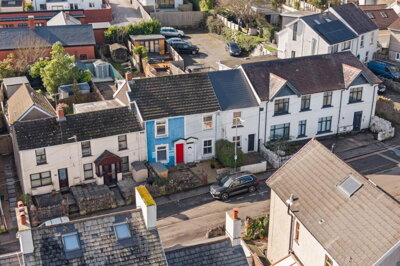
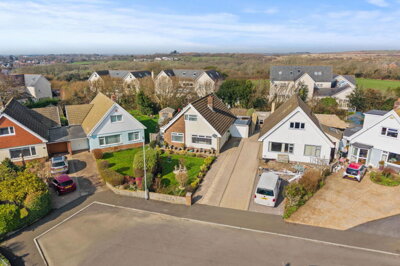
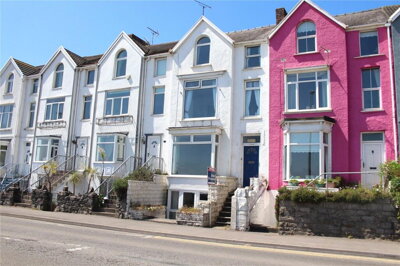
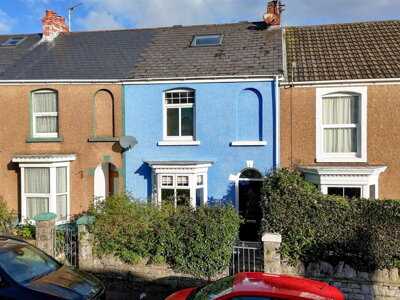
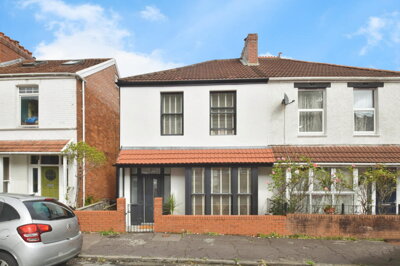
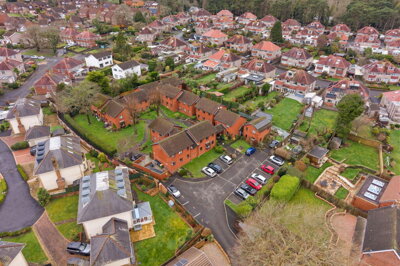
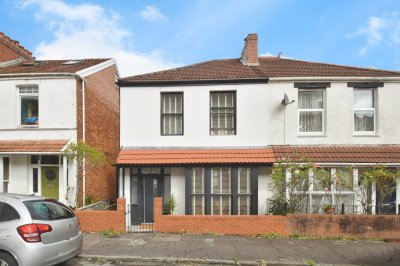
Mumbles sits at the southern tip of the Gower Peninsula, offering residents a unique combination of coastal living, village community, and easy access to Swansea city centre. The area is characterised by its distinctive geology, built primarily on Carboniferous Limestone that has shaped both the landscape and local architecture. The famous "Mumbles Marble" limestone was historically quarried locally and used in buildings throughout the area, while the colourful cottages and Victorian seafront terraces showcase the traditional stone and render construction methods that define the village character.
The population of approximately 7,800 residents across 3,632 households reflects a community with a higher proportion of residents aged 45 and over compared to the wider Swansea area, particularly those aged 65 and older. This demographic profile contributes to Mumbles' established, settled feel, with many residents being long-term homeowners who appreciate the area's stability and amenities. Average household size stands at 2.12 persons, slightly below Swansea's average of 2.22, indicating a mix of families, couples, and retirees.
Flood risk is a consideration for certain properties in Mumbles, particularly those along the seafront. A major £26 million Coastal Risk Management Programme has been completed to protect 126 properties along Mumbles Road, Devon Place, Promenade Terrace, and Cornwall Place. However, the underlying geology of Carboniferous Limestone and older bedrock generally presents a lower shrink-swell subsidence risk compared to clay-dominated areas in south-east England. Properties in the conservation area, which was expanded in 2021 following a boundary review, may require specialist surveys due to their age and traditional construction methods.
The Mumbles Conservation Area encompasses most of the seafront areas below the high escarpment of wooded limestone, protecting the architectural heritage that makes the village distinctive. Oystermouth Castle, a 12th-century medieval fortress, stands as a prominent historic landmark within the area, testament to Mumbles' long history. Properties within this protected zone often require Listed Building Consent for alterations, making specialist survey advice particularly valuable for buyers considering renovation projects.










 Astleys
-7d ago
Astleys
-7d ago