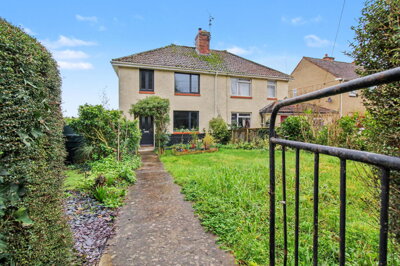
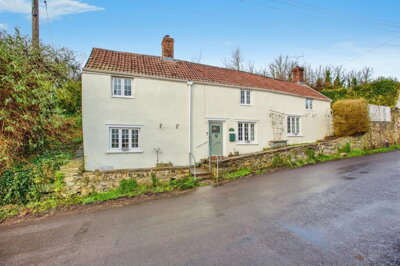
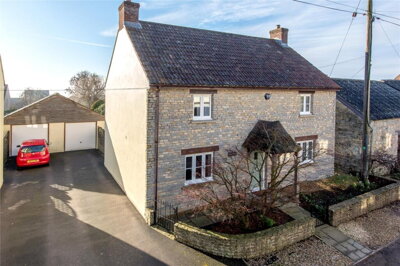
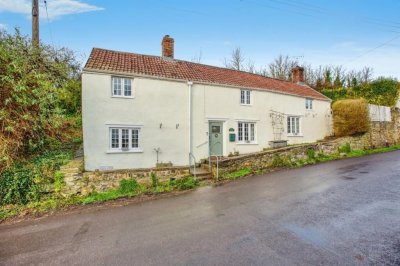
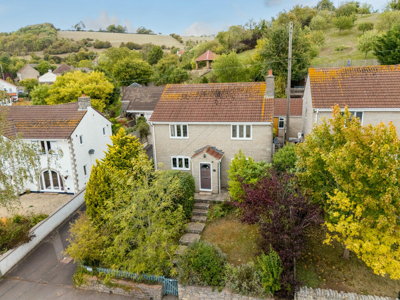
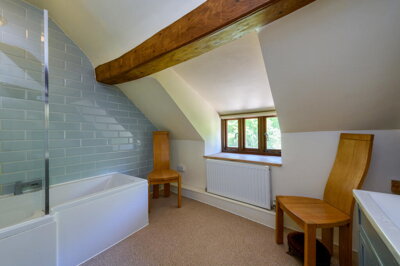
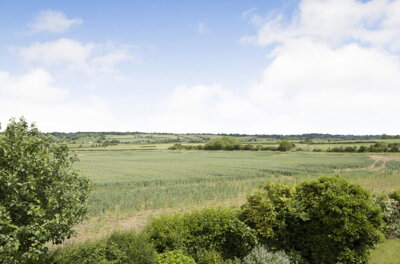
The current listing landscape in Moorlinch reveals a market heavily weighted towards family homes, with three-bedroom properties dominating at 5 active listings averaging £429,000. Four-bedroom homes account for 3 listings with an average price of £491,667, while a single six-bedroom property at £650,000 represents the upper end of the market. This bedroom distribution suggests strong demand from families seeking space in a rural setting, with the village offering the kind of accommodation that appeals to those prioritising lifestyle over commute times.
Price range analysis shows the Moorlinch market concentrates in the £300,000 to £500,000 band, with 5 properties currently listed in this range. Two premium properties sit between £500,000 and £750,000, while one listing exceeds £750,000. At the more affordable end, a single property in the £200,000 to £300,000 range provides an entry point to village life. This distribution indicates a healthy mix of properties across price points, though the limited overall inventory (just 9 properties for sale) reflects the constrained supply typical of small villages.
New build activity in Moorlinch remains minimal, with no verified active developments within the village itself. The TA7 postcode area shows limited new-build construction, meaning buyers seeking modern properties may need to look to nearby towns or accept the character that comes with older village homes. This scarcity of new-build supply can benefit sellers of quality period properties, as demand consistently outstrips the limited stock available in this attractive rural location.
The absence of significant new development in Moorlinch means the village retains much of its historic character, with period properties forming the backbone of the housing stock. Many homes in the village date back to the 18th and 19th centuries, constructed using traditional methods and materials typical of the Somerset Levels region. These older properties often feature generous plot sizes, original character features, and the kind of craftsmanship that is increasingly rare in modern developments. For sellers of period homes, this uniqueness represents a significant selling point in a market where genuine character properties are in short supply.










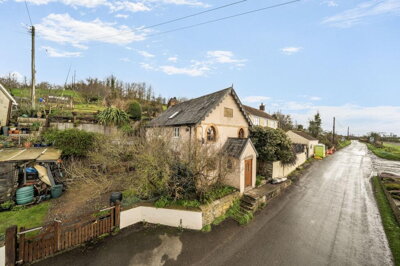
 Cooper & Tanner
-41d ago
Cooper & Tanner
-41d ago