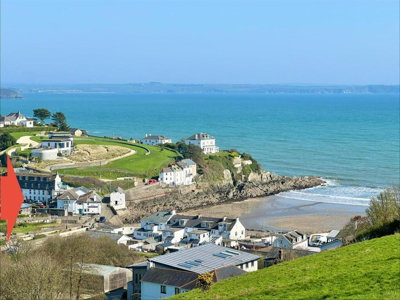
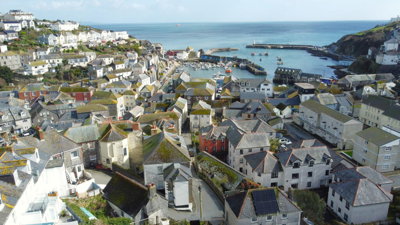
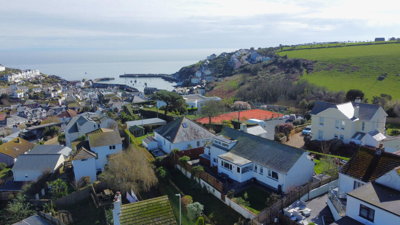
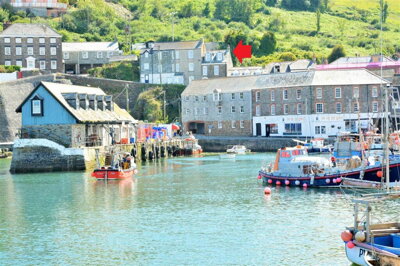
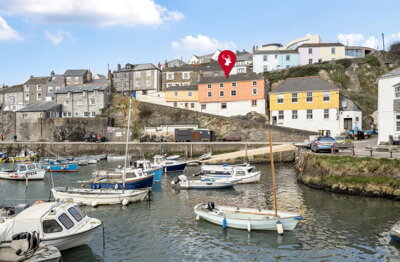
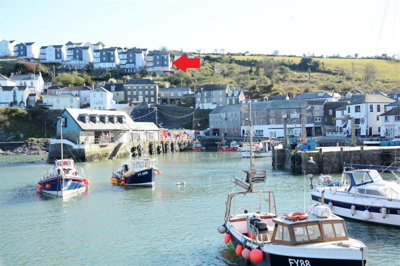
Mevagissey is a historic fishing village on Cornwall's south coast, renowned for its picturesque harbour, traditional stone cottages, and thriving community that balances working fishing boats with a growing tourism sector. The village is designated as a Conservation Area, meaning strict planning controls preserve its special architectural and historic character. This designation significantly impacts what sellers can do with their properties and requires buyers to understand the constraints involved in altering or extending homes in the village. Properties around the harbour and in the older parts of the village feature numerous listed buildings, including handsome Grade II Listed cottages and even important Arts and Crafts masterpieces with seafront positions.
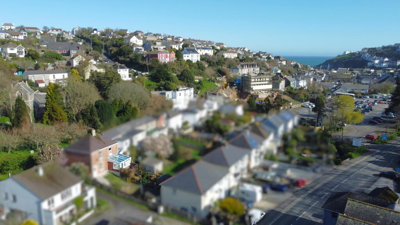
The geography of Mevagissey creates both opportunities and challenges for property owners. The village sits around a valley leading to the harbour, which means many properties enjoy stunning views but also face potential surface water flooding issues during heavy rainfall. As a coastal community, the village faces inherent flood risk from tidal events, particularly for properties along the harbour and in lower-lying areas. Properties in neighbouring Portmellon cove also experience similar coastal flooding risks. Anyone considering purchasing in Mevagissey should investigate the specific flood risk for their intended property and factor potential flood insurance costs into their budgeting.
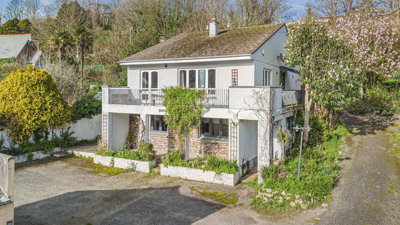
The predominant building materials in Mevagissey reflect its Cornish heritage, with traditional properties featuring local stone, granite, slate, rendered walls, and painted brickwork. Older properties were constructed using lime mortars and renders, which require different maintenance approaches than modern cement-based products. Given that Mevagissey has a significant proportion of older properties, dating from the Victorian and Edwardian periods through to earlier centuries, buyers should expect the typical issues associated with period homes. These include damp problems (both penetrating damp from driving coastal rain and potential rising damp in properties without adequate damp-proof courses), roof condition concerns with older slate or tile coverings, and the possibility of timber defects such as woodworm or rot in properties that have suffered from damp penetration.
The local economy revolves around fishing, tourism, and hospitality, with the village's popularity as a holiday destination creating a substantial holiday let sector. This has implications for the housing market, as many properties are purchased as second homes or holiday rentals, which can affect availability and affordability for permanent residents. The employment landscape means that local residents often work in the service sector, fishing industry, or run small businesses catering to visitors. This seasonal economic pattern influences both the rental market and the types of properties that appeal to different buyer segments.











 Alastair Shaw Coastal & Countryside Homes
-3d ago
Alastair Shaw Coastal & Countryside Homes
-3d ago