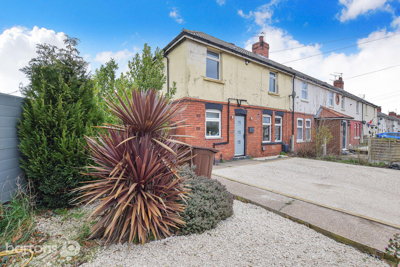
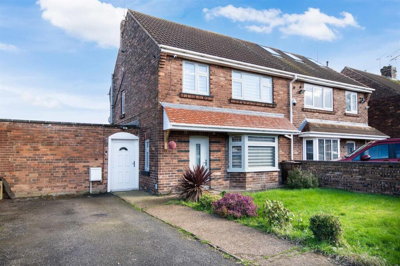
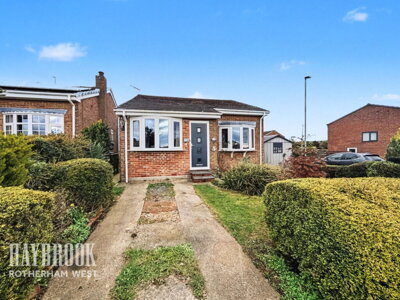
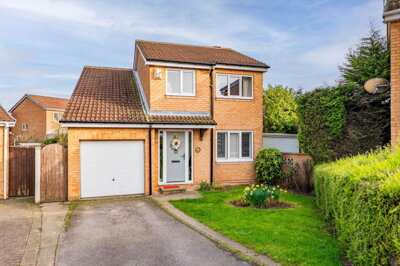
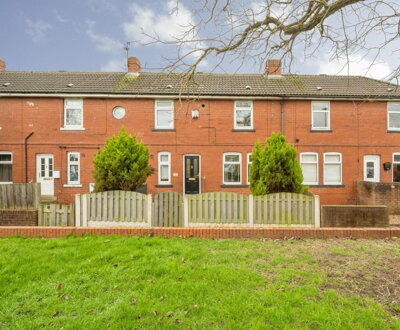
Maltby is a former mining town with a population of approximately 16,500 residents, situated in the Metropolitan Borough of Rotherham, South Yorkshire. The town carries a proud industrial heritage, though Maltby Main Colliery closed in 2013, marking the end of local coal mining. Despite this, Maltby retains a strong community identity, with the Maltby Model Village between Blyth Road, Muglet Lane, and Morrell Street standing as one of Rotherham's finest examples of planned early 20th-century housing, built between 1909 and 1912 for mine workers. The model village layout remains highly sought after today, with its characterful red brick properties appealing to buyers who appreciate period features.
The local economy shows mixed characteristics, with higher than average income deprivation affecting children and working-age adults. However, the Hellaby and Maltby West ward benefits from the Hellaby Industrial Estate, providing employment in transport, manufacturing, and storage sectors. Many residents commute to nearby Rotherham and Sheffield for work, with the M18 motorway providing convenient access to the M1 and larger employment centres. This commuting pattern makes Maltby attractive for buyers seeking affordable housing within reasonable reach of major cities.
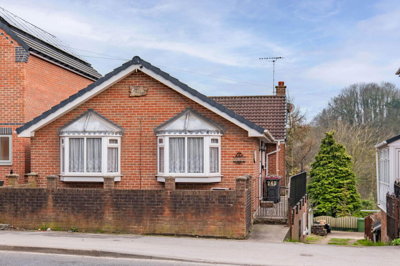
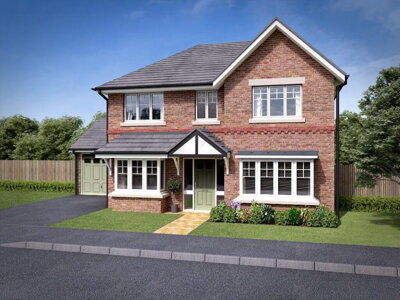
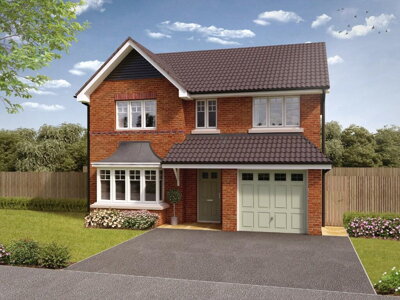
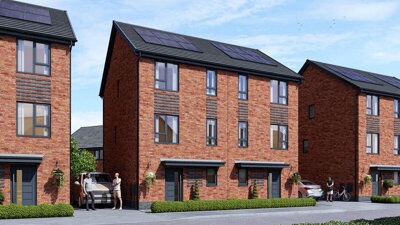
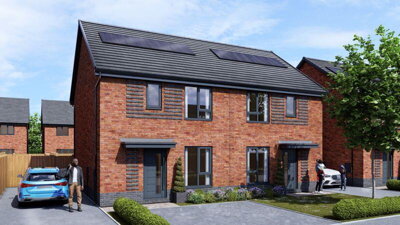
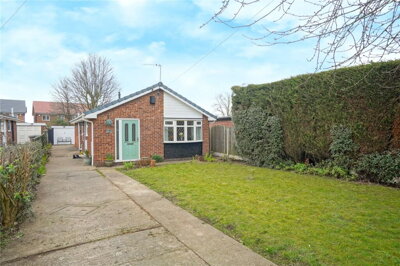
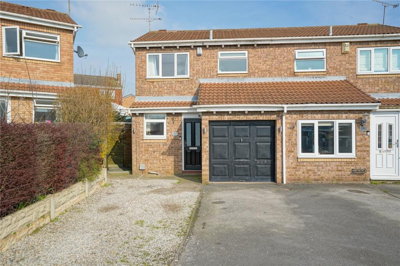
The area's housing stock reflects its mining heritage, with 40% semi-detached properties, 28% terraced homes, and 25% detached properties. A notable 25% of homes were built between 1973 and 1982, with only 5% pre-dating 1900. For buyers considering older properties, Maltby's geology includes magnesian limestone, and the area has historical connections to brick production through the Maltby Metallic Brick Co. Properties in the area may be constructed from local red bricks with slate or pantile roofs, giving the town its distinctive appearance. The Maltby civil parish contains 40 listed buildings, including St Bartholomew's Church and Sandbeck Park, though there are no designated conservation areas.
The Maltby Neighbourhood Plan recognises the Historic Core as an area of value, encouraging new development to respect existing heritage assets. This planning framework affects how properties can be extended or renovated, particularly in older areas. Sellers should be aware that any modifications to period properties may require consideration of these heritage designations, which can affect buyer interest and property values in specific streets.











 Lincoln Ralph
-9d ago
Lincoln Ralph
-9d ago