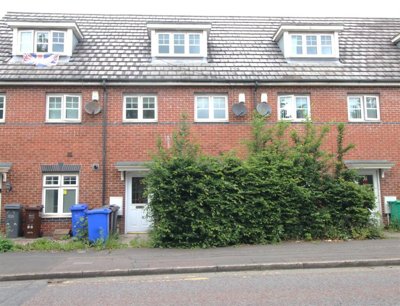
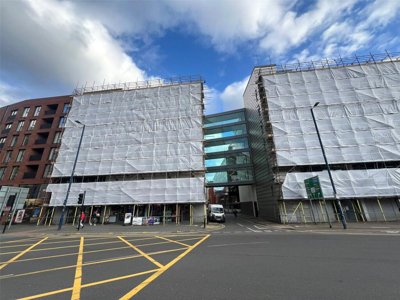
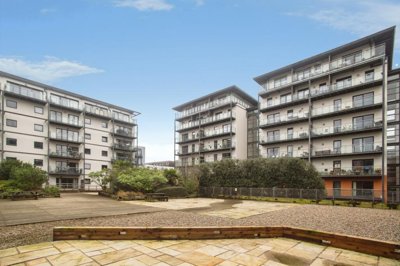
£265,000
Town House, 3 bed
Queens Road, M8 8UQ
£265,000
Town House, 3 bed
Queens Road, M8 8UQ
Pearson Ferrier
0d ago
Compare local agents for a Manchester home using sold-price evidence, property type trends and local market context


Manchester sold prices average £248,000, with the market up 1.4% over 12 months to March 2026. That headline hides a wide spread between flats at £211,000 and detached homes at £442,000, so the agent you choose needs to understand your exact property type. A red-brick terrace in Levenshulme is not priced the same way as a converted mill apartment in Ancoats. We help you compare estate agents on evidence, not sales patter.
Our sold-price analysis shows semi-detached homes in Manchester average £312,000, while terraced houses average £240,000. Flats sit close to the city-wide average at £211,000, which reflects the number of apartments in areas such as the Northern Quarter, Ancoats and M50 near Media City. Around 60% of homes in Manchester date from before 1950, so presentation, condition and survey risk can affect buyer behaviour. A good agent should know how to price those differences from day one.

£248,000
Average Sold Price
+1.4%
12-Month Price Change
£442,000
Detached Average
£312,000
Semi-Detached Average
£240,000
Terraced Average
£211,000
Flat Average
551,938
Population
+9.7%
Population Growth
Using listing data from home.co.uk and property data from homedata.co.uk
Manchester is a large and varied housing market, with an average sold price of £248,000 and a clear split between house types. Detached homes average £442,000, which puts them well above the city figure. Semi-detached houses average £312,000, while terraced homes average £240,000. Flats average £211,000, supported by apartment stock in Ancoats, the Northern Quarter and M50.
Price growth has been measured rather than dramatic, with Manchester up 1.4% from March 2025 to March 2026. That matters when choosing an agent, because over-valuation can cost weeks in a market where buyers compare similar homes closely. The right agent should explain how your asking price relates to completed sales, not just nearby asking prices. In a city where terraced, semi-detached and flat prices sit in different bands, a single broad valuation is rarely enough.
Older housing stock plays a large part in Manchester pricing. Around 60% of homes date from before 1950, and many traditional properties use red brick, buff-coloured stone details and blue-black slate roofs. Buyers may pay more for space or location, but they also notice damp, roof condition and movement in solid-walled homes. An estate agent who can talk confidently about these issues will be better placed to handle objections after viewings.
Based on 3,223 live listings with an average asking price of £311,602.
Source: home.co.uk
See which agents are selling fastest and at the best prices in Manchester.
Compare Estate Agents FreeManchester has several distinct selling markets rather than one simple city-wide pattern. Terraced homes remain a major part of the stock in places such as Levenshulme, Fallowfield, Chorlton and parts of North East Manchester around M40. Semi-detached homes make up a large share of family housing, with the average at £312,000. Flats form a separate market, particularly where converted cotton mills and apartment blocks shape supply.
Apartments in Ancoats and the Northern Quarter often need a different sales strategy from older houses in M20 or M21. Lease length, service charges and building management can affect buyer confidence before price becomes the main issue. In M50, the area near Media City and the University of Salford has seen investor-owned new-build flats and higher-specification apartments. An agent should know how to filter buyers who understand those costs.
Terraced houses need careful positioning too. Manchester’s older red-brick terraces can sell well when priced against condition, room layout and street-by-street comparisons. Solid walls, older roofs and possible damp need to be handled honestly, because survey renegotiations can follow if defects are glossed over. We look for agents who can explain these points clearly before launch, not after a buyer reduces their offer.

Manchester’s property mix means valuation accuracy depends on matching your home to the right comparison set. A flat in a converted industrial building should not be priced using only suburban semi-detached evidence. A terraced house in Fallowfield may sit closer to other student-area or rental-influenced stock than to homes in quieter South Manchester streets. Small differences in layout, parking and condition can change the buyer pool quickly.
Semi-detached homes at £312,000 occupy an important middle band in the Manchester market. They often compete on usable space, garden size and the condition of roofs, windows and extensions. In South Manchester, clay soil and shallow foundations can also feed into buyer questions, especially in M20 and M21. A confident estate agent should be ready for those questions during viewings.
Flats at £211,000 require sharper messaging around tenure. Manchester’s converted cotton mills can include original timber beams, cast-iron columns and floor structures originally built for industrial use. Newer flats near M50 may have a different profile, with investors, students linked to the University of Salford and working buyers all reviewing service charges. Good marketing sets out the strengths without hiding the paperwork buyers will ask for.
Detached homes are a smaller and higher-value slice of the Manchester market, averaging £442,000. Valuation errors are more expensive at this level, because a 3% pricing gap is £13,260. Larger homes, especially older detached Victorian-style properties, may also attract closer survey attention. The best local agent for that sale type should be able to show how they would defend price after a building survey.
Manchester’s built environment affects how homes are valued and sold. Traditional buildings often use red brick, buff-coloured stone dressings, blue-black slate roofs and vertically sliding timber sash windows. Many older homes include brick voussoirs, bay windows and bracketed eaves. These details can help a listing stand out, but they also mean condition is central to buyer confidence.
South Manchester needs particular care because of ground conditions. In Chorlton, Didsbury, Levenshulme and Fallowfield, some homes were built with shallow brick strip foundations on clay soil. M20 and M21 carry a well above national average subsidence risk, linked to clay swelling in wet weather and shrinking in dry spells. A good estate agent should not ignore that background, because buyers and surveyors will not ignore it either.
Flood risk also shapes parts of the city. Manchester is influenced by the River Irwell, River Medlock, River Mersey, River Irk, River Tib and River Roch. Surface water is a major concern, with around 163,000 dwellings in Manchester classed as high risk from surface water flooding. The Ashton, Bridgewater and Rochdale canals add another layer of local risk that sellers should understand before conveyancing begins.
The city’s population reached 551,938 in the 2021 Census, up 9.7% from 503,100 in 2011. Employment among people aged 16 and over, excluding full-time students, rose from 48.0% in 2011 to 50.2% in 2021. Those figures help explain why demand is spread across flats, terraces and family houses rather than one single sector. For sellers, the practical point is simple: your marketing should target the buyer most likely to move on your exact home.
Manchester’s overall 12-month price change of +1.4% points to a market where pricing discipline matters. A rising market can still reject an over-priced home if buyers see better evidence nearby. Flats, terraces and semi-detached homes all move at different speeds because their buyers have different concerns. In Ancoats, leasehold detail may matter more than garden size; in Didsbury, structural movement or roof condition may carry more weight.
South Manchester has its own set of pricing pressures. Chorlton, Didsbury, Levenshulme and Fallowfield include many older homes on clay, and buyers may factor survey findings into offers. A well-priced house can still run into negotiation if cracking, damp or uneven floors appear after a Level 2 or Level 3 survey. Sellers should choose an agent who knows how to prepare for that conversation before viewings start.
North East Manchester and M40 include terraced housing where price sensitivity can be sharper. Buyers comparing several similar terraces will often judge condition, room sizes and roof age quickly. A slightly high asking price may reduce early viewings, while a realistic launch can create stronger first-week interest. The agent’s skill is not just setting a price, but knowing when to adjust it.
Central apartment areas such as the Northern Quarter and Ancoats sit in another rhythm. Converted mills can carry extra charm in photographs, but buyers still ask about service charges, fire safety paperwork and building maintenance. Newer stock around M50 can compete on specification and location near Media City. Estate agents who sell apartments well tend to be organised with documents early.
Sellers in Manchester can choose between high-street, online and hybrid estate agents. High-street agents usually charge a percentage fee, often around 1-3% + VAT, with many sole agency contracts lasting 8-16 weeks. Online agents often charge a fixed fee of around £999-£1,999, sometimes upfront. Hybrid models sit between those two approaches.
The right option depends on your property and how much support you need. A straightforward flat near M50 may suit a seller who is comfortable handling parts of the process online. A pre-1950 terraced house in Levenshulme, or a larger detached home with survey-sensitive issues, may need more hands-on negotiation. Manchester’s housing stock is not uniform, so the cheapest fee is not always the best financial result.
Contract terms matter as much as headline fees. Sole agency can be cheaper than multi-agency, but a long tie-in can be frustrating if marketing underperforms. Multi-agency can create more exposure, yet fees are usually higher. Before you sign, ask the agent how they would handle price reductions, survey renegotiations and offers from buyers in a chain.

Ask at least 2-3 Manchester estate agents to value your home. Compare their evidence against sold prices for your property type, such as £240,000 for terraced homes or £211,000 for flats, rather than accepting the highest figure automatically.
Ask how they would position a red-brick terrace in Fallowfield, a flat in Ancoats or a semi-detached house in Didsbury. A strong answer should mention comparable sales, likely buyer objections and the condition issues that can affect the final offer.
Typical estate agent fees in England range from 1-3% + VAT, while online fixed-fee services often sit around £999-£1,999. Check whether the contract is sole agency, multi-agency or hybrid, and ask how long you are tied in.
Request details on photography, floorplans, listing copy, viewing arrangements and buyer qualification. In Manchester, flats may need leasehold detail highlighted early, while older houses may need clear information on upgrades and maintenance.
Find out how the agent handles offers below asking price, survey concerns and chain risk. This is especially relevant in M20 and M21, where subsidence questions may arise, and in flood-aware areas near the River Mersey or River Irwell.
Agree how often you will receive feedback and when price or marketing will be reviewed. A sensible review after the first 2-3 weeks can stop a Manchester listing from going stale if enquiry levels are weak.
Treat the highest valuation with caution if the agent cannot back it up with Manchester sold-price evidence. A £248,000 city average is useful context, but your home should be priced against the right type, street and condition. Ask each agent to explain how they would defend the asking price after a survey or a lower offer.
Strong sale prices usually start with accurate positioning, not a guess. A Manchester flat at £211,000 needs a different pitch from a semi-detached home at £312,000. The photographs, description and viewing script should match the buyer’s likely questions. For flats, that often means tenure and service charge detail; for older houses, it means condition and recent maintenance.
Presentation still matters, even in data-led pricing. Red-brick terraces with slate roofs can photograph well when rooms are clear and key features are shown properly. Bay windows, sash windows and stone dressings should be highlighted if they are in good repair. Damaged timber, damp patches or roof issues should be dealt with before launch where practical.
Negotiation planning can protect thousands of pounds. On a £442,000 detached home, a 2% reduction is £8,840. Buyers may use survey findings, flood searches or chain pressure to reopen price discussions. A strong estate agent prepares evidence early and keeps the sale moving without giving away money too quickly.
Timing also affects results. A listing that sits too long can invite lower offers, particularly where similar Manchester terraces or flats are available nearby. Early viewing feedback should be taken seriously, but not every comment justifies a price cut. The agent should separate genuine market signals from casual buyer opinion.
Manchester sellers should expect buyers to check environmental risks carefully. The River Irwell, River Mersey, River Medlock, River Irk, River Tib and River Roch all feature in local flood assessment. Surface water is a major issue, with around 163,000 Manchester dwellings at high risk. Canal-related surface water around the Ashton, Bridgewater and Rochdale canals can also come up during conveyancing.
Subsidence questions are more common in South Manchester. Chorlton, Didsbury, Levenshulme and Fallowfield include homes on clay soil with some shallow brick strip foundations. In dry spells, clay can shrink; during wet periods, it can swell. M20 and M21 carry a well above national average risk, so cracks and sticking doors may receive close attention.
Older solid-walled homes can also raise damp and timber concerns. Manchester’s high rainfall makes roof condition, guttering and brickwork maintenance more than cosmetic. In converted cotton mills, surveyors may look closely at original timber beams, cast-iron columns and floor loadings. Sellers who prepare documents and repair history early can reduce delays.
Estate agents are not surveyors, but good ones know what can derail a sale. They should advise on presentation, paperwork and likely buyer questions without hiding material concerns. A realistic approach can stop a small defect becoming a major negotiation point. That is especially useful in a city where much of the stock predates 1950.
3,223 properties currently listed across Manchester. Here are the most recently added.
£265,000
Town House, 3 bed
Queens Road, M8 8UQ
£265,000
Town House, 3 bed
Queens Road, M8 8UQ
Pearson Ferrier
0d ago
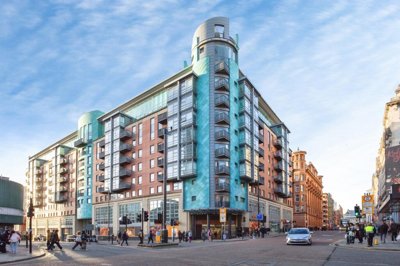
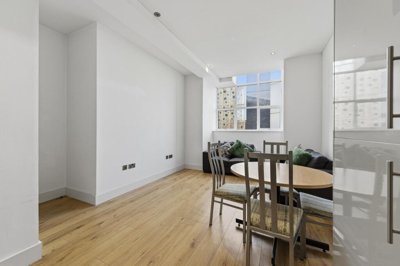
£195,000
Apartment, 2 bed
Pollard Street, M4 7DS
£195,000
Apartment, 2 bed
Pollard Street, M4 7DS
Keller Williams Plus
-1d ago

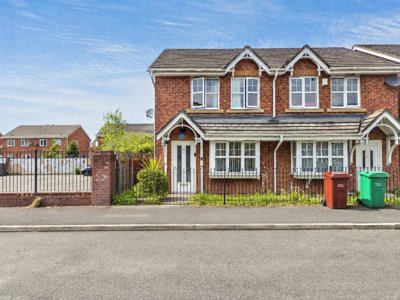
£240,000
Semi-Detached, 3 bed
Stephen Oake Close, M8 8AZ
£240,000
Semi-Detached, 3 bed
Stephen Oake Close, M8 8AZ
The Property Selling Company
-1d ago

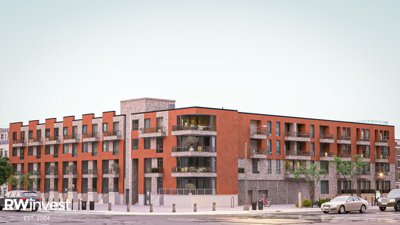
£230,000
Apartment, 1 bed
M1 2AD
£230,000
Apartment, 1 bed
M1 2AD
Rw Invest
-1d ago

£170,000
Apartment, 2 bed
Granby Row, M1 7AB
£170,000
Apartment, 2 bed
Granby Row, M1 7AB
Rw Invest
-1d ago

£75,000
Apartment, 2 bed
Oldham Road, M4 5DB
£75,000
Apartment, 2 bed
Oldham Road, M4 5DB
Auction House
-1d ago

£270,000
Apartment, 2 bed
Deansgate, M3 4LA
£270,000
Apartment, 2 bed
Deansgate, M3 4LA
Philip James Manchester
-1d ago
£220,000
Flat, 2 bed
Regent Road, M3 4BA
£220,000
Flat, 2 bed
Regent Road, M3 4BA
Bridgfords
-1d ago
£180,000
Flat, 1 bed
M15 4NY
£180,000
Flat, 1 bed
M15 4NY
Bridgfords
-1d ago
£200,000
Flat, 2 bed
Pollard Street, M4 7AQ
£200,000
Flat, 2 bed
Pollard Street, M4 7AQ
Bridgfords
-1d ago
£190,000
Flat, 2 bed
Water Street, M3 4JA
£190,000
Flat, 2 bed
Water Street, M3 4JA
Bridgfords
-1d ago
£450
Flat, 2 bed
Whitworth Street West, M1 5ED
£450
Flat, 2 bed
Whitworth Street West, M1 5ED
Bridgfords
-1d ago
Get free, no-obligation valuations from the top-performing local agents. Compare fees, services, and track records before you decide.
Compare Agents FreeStart with 2-3 valuations and ask each agent to show sold-price evidence for your property type. Manchester averages £248,000, but detached homes average £442,000 and flats average £211,000, so the comparison set matters. Ask how they would handle survey issues, buyer qualification and price negotiation. The best fit is usually the agent who gives clear evidence, not the one who gives the highest valuation.
Manchester prices are up +1.4% over 12 months to March 2026. That is steady growth rather than a fast-moving market. Sellers should still price carefully, because buyers compare similar flats, terraces and semi-detached homes closely. A realistic launch price can produce better results than testing the market too high.
Manchester is a major North West city with a population of 551,938 in the 2021 Census. The housing mix includes red-brick terraces, semi-detached houses, converted cotton mills and modern flats around areas such as M50. Ancoats, the Northern Quarter, Chorlton, Didsbury, Levenshulme and Fallowfield all have different property profiles. Those differences matter when choosing an estate agent.
Typical estate agent fees in England range from 1-3% + VAT. Many high-street sole agency agreements sit around 1-1.8% + VAT, while online fixed-fee agents often charge around £999-£1,999. The cheapest fee may not give the best result if the property needs active negotiation. Always compare fee, contract length and marketing plan together.
Online agents can work well for sellers who are confident managing more of the process and have a straightforward property. A flat near M50 may be easier to package than an older house in M20 with possible subsidence questions. High-street agents can be useful where viewings, negotiation and survey follow-up need closer handling. Hybrid agents may suit sellers who want a middle route.
Sole agency contracts often run for 8-16 weeks. A shorter tie-in gives more flexibility if the agent does not generate enough viewings or feedback. Longer terms may be acceptable if the agent has a clear plan for your Manchester property type. Check withdrawal fees, notice periods and marketing costs before signing.
Ask which Manchester sold prices they are using and why those homes are comparable. Push them to explain the difference between your home and the city averages of £240,000 for terraced houses, £312,000 for semi-detached homes and £211,000 for flats. Ask how they would respond to a lower offer after survey findings. Their answer will tell you a lot about their selling skill.
Yes, flats often need more paperwork ready at the start. Buyers may ask about lease length, service charges, building management and fire safety documents. In areas such as Ancoats, the Northern Quarter and M50, apartment buyers often compare several similar listings. Clear information can reduce delays once an offer is accepted.
Subsidence risk can affect buyer confidence, especially in South Manchester. Chorlton, Didsbury, Levenshulme and Fallowfield include homes built on clay soil, and M20 and M21 have a well above national average risk. Sellers should be ready for survey questions if there are cracks, uneven floors or sticking doors. A good agent will help present facts calmly and keep negotiation grounded.
Flood risk can matter because Manchester has rivers, canals and surface water pressure points. The River Irwell, River Mersey and River Medlock may appear in local searches, while surface water risk affects many dwellings. Buyers may ask for more information during conveyancing. Early awareness helps avoid surprise delays after an offer.
Start with accurate pricing based on your property type and condition. Prepare the home well, gather paperwork and deal with obvious defects before photography if possible. A £248,000 average does not tell the full story, so use local comparable sales for your street or building type. Strong negotiation matters once the buyer’s survey and searches are complete.
The buyer usually arranges a survey, mortgage valuation and legal searches. In Manchester, those checks may cover flood risk, leasehold detail, older construction and ground movement in areas such as M20 and M21. Your estate agent should chase progress, manage expectations and help resolve questions. Good communication can stop a sale drifting.
From £390
A mid-level survey suited to many conventional Manchester homes in reasonable condition
From £530
A detailed inspection for older, altered or higher-risk properties, including many pre-1950 homes
From £69
Energy performance certificate for selling or renting a Manchester property
From £240
A RICS valuation for Help to Buy repayment or staircasing requirements
Estate Agents In London

Estate Agents In Plymouth

Estate Agents In Liverpool

Estate Agents In Glasgow

Estate Agents In Sheffield

Estate Agents In Edinburgh

Estate Agents In Coventry

Estate Agents In Bradford

Estate Agents In Manchester

Estate Agents In Birmingham

Estate Agents In Bristol

Estate Agents In Oxford

Estate Agents In Leicester

Estate Agents In Newcastle

Estate Agents In Leeds

Estate Agents In Southampton

Estate Agents In Cardiff

Estate Agents In Nottingham

Estate Agents In Norwich

Estate Agents In Brighton

Estate Agents In Derby

Estate Agents In Portsmouth

Estate Agents In Northampton

Estate Agents In Milton Keynes

Estate Agents In Bournemouth

Estate Agents In Bolton

Estate Agents In Swansea

Estate Agents In Swindon

Estate Agents In Peterborough

Estate Agents In Wolverhampton

Compare local agents for a Manchester home using sold-price evidence, property type trends and local market context
Find Agents


Homemove is a trading name of HM Haus Group Ltd (Company No. 13873779, registered in England & Wales). Homemove Mortgages Ltd (Company No. 15947693) is an Appointed Representative of TMG Direct Limited, trading as TMG Mortgage Network, which is authorised and regulated by the Financial Conduct Authority (FRN 786245). Homemove Mortgages Ltd is entered on the FCA Register as an Appointed Representative (FRN 1022429). You can check registrations at NewRegister or by calling 0800 111 6768.