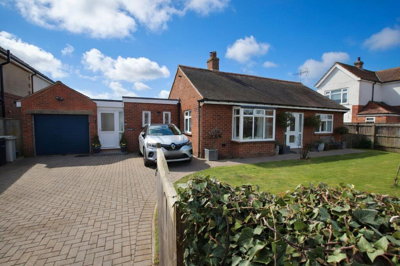
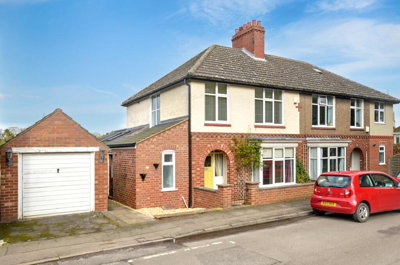
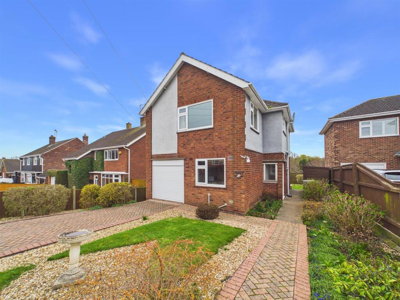
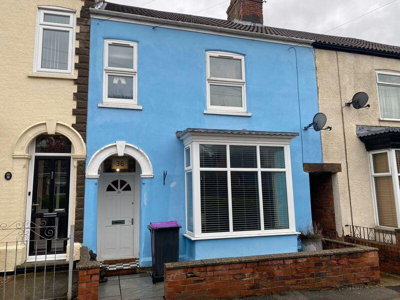
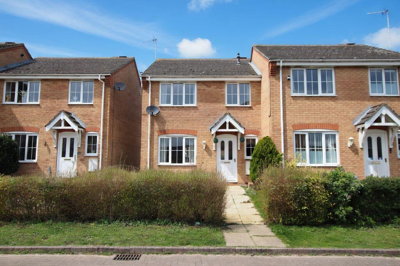
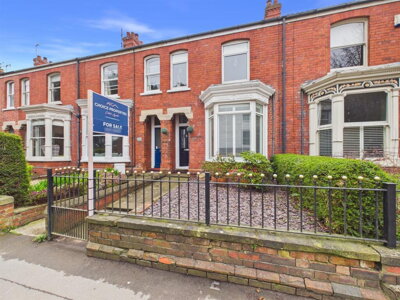
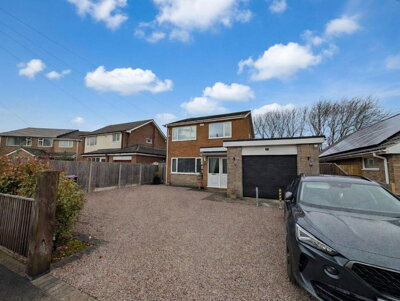
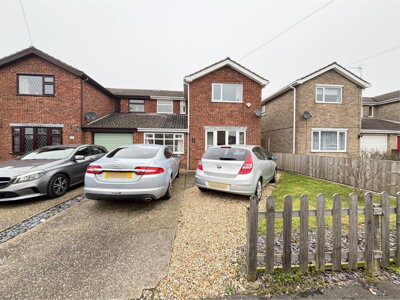
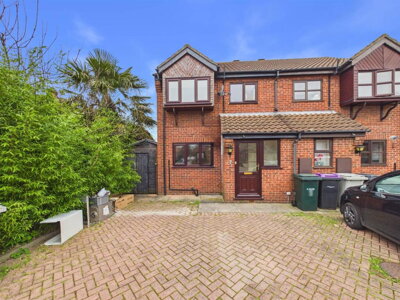
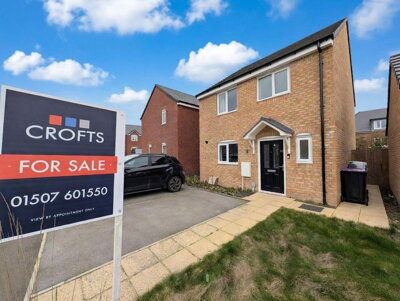
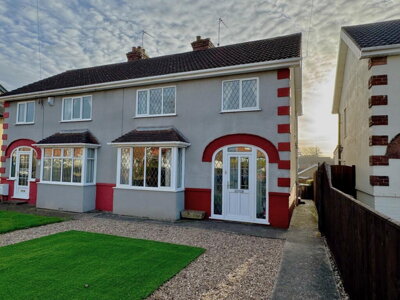
Louth, with a population of approximately 17,400 residents across 7,800 households, serves as a thriving market town in the East Lindsey district of Lincolnshire. The town sits on the eastern edge of the Lincolnshire Wolds, an Area of Outstanding Natural Beauty, providing immediate access to scenic countryside that attracts walkers, cyclists, and nature enthusiasts. This location creates a desirable quality of life that appeals to families and retirees alike, supporting sustained demand for properties ranging from town centre homes to rural retreats scattered throughout the surrounding villages.
The town's geology presents important considerations for property owners and buyers. Louth sits primarily on Chalk bedrock with superficial deposits of Till (boulder clay) and glaciofluvial deposits in river valleys. Properties built on clay-rich Till deposits face a moderate to high shrink-swell risk, particularly during periods of extreme weather or drought, which can affect foundations. This geological context makes professional surveys particularly valuable for properties in certain areas, especially those with mature trees nearby or poor drainage that could exacerbate ground movement.
The River Lud flows through the town centre, creating a fluvial flood risk that buyers should investigate, particularly for properties in low-lying areas adjacent to the river such as those near the town bridge and along Eastgate. Surface water flooding also affects various parts of the town during heavy rainfall due to drainage capacity and topography, particularly in the areas around Newmarket and near the industrial estate. The town centre and areas near the river require careful consideration when assessing flood risk, and appropriate insurance and mitigation measures may be necessary for properties in these zones.
Louth's historic core benefits from significant conservation area protection, containing a high concentration of Listed Buildings including St James' Church (Grade I Listed), numerous Georgian and Victorian properties along Queen Street and Mercer Row, and historic commercial buildings. This heritage character enhances the town's appeal but also means many properties require specialist consideration during renovation or alteration, with Listed Building Consent often required for changes that would otherwise be straightforward in non-listed properties.











 Masons
-6d ago
Masons
-6d ago