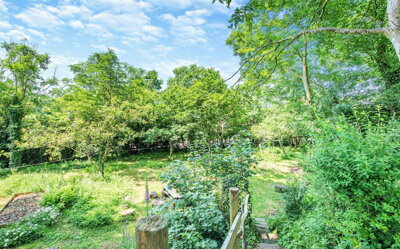
Llanllawddog is a small rural community in Carmarthenshire, West Wales, with a population of 765 according to the 2021 Census, representing growth from 703 in 2011. The village sits approximately four miles north of Carmarthen, the county town, providing residents with access to wider amenities, employment opportunities, and transport links while maintaining a peaceful village atmosphere. The community is centred around the Church of St Llawddog, after which the village is named, with traditional properties scattered throughout the surrounding farmland and countryside.
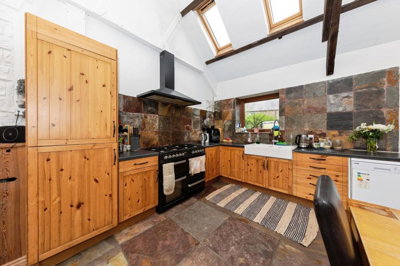
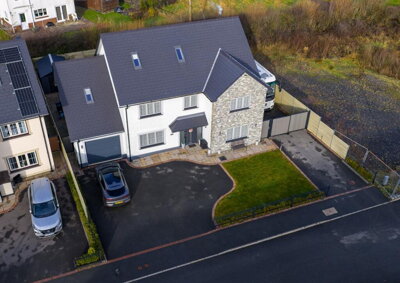
The local housing stock reflects the area's rural heritage, with traditional properties predominantly constructed from local rubble stone, often rendered, with brick dressings and slate roofs. Many properties date from the 18th and 19th centuries, featuring solid walls rather than modern cavity construction, lime mortar pointing, and original structural elements that require specialist knowledge when maintaining or renovating. Properties like Y Dderwyn (Listed Building Reference 26937), a late 18th or early 19th century house, demonstrate the architectural heritage that characterises the village as a rare survival of a small upland farmhouse.
The geological context of Llanllawddog includes clay-rich soils that present potential shrink-swell risks, particularly for properties with shallow foundations near trees or areas of vegetation. Properties near watercourses, including the River Gwili which flows through the community, may face fluvial or surface water flooding risks during periods of heavy rainfall, and prospective buyers should conduct appropriate flood risk searches. The area is not significantly affected by coastal erosion given its inland location, though the broader Carmarthenshire coastline lies within reasonable driving distance for those seeking beach access.
Transport links centre on the proximity to Carmarthen, which provides rail connections and bus services linking to larger centres including Swansea and Cardiff. The A40 trunk road passes through Carmarthen, connecting the area to the M4 motorway corridor and providing relatively straightforward access to the Midlands and England beyond. Local schools serve the community, with Carmarthenshire offering both Welsh-medium and English-language education options, and the town provides healthcare facilities, supermarkets, and leisure amenities that support the rural catchment population.










 Fine and Country West Wales
-61d ago
Fine and Country West Wales
-61d ago