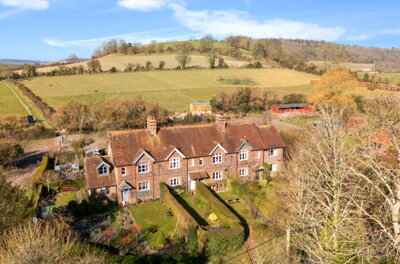
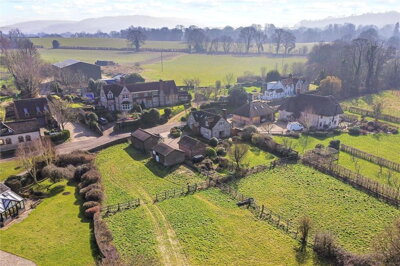
Langrish is a small but characterful village with a population of approximately 305 residents, situated in the East Hampshire district of Hampshire within the South Downs National Park. The population density of just 31.33 people per square kilometre reflects the village's rural character and the surrounding countryside that defines daily life here. The village has a rich history, with Langrish House dating from the 1640s and several Grade II listed buildings including the Church of St John the Evangelist, the Dovecote at Langrish Manor Farm, and the K6 Telephone Kiosk, all contributing to the conservation area's distinctive character.
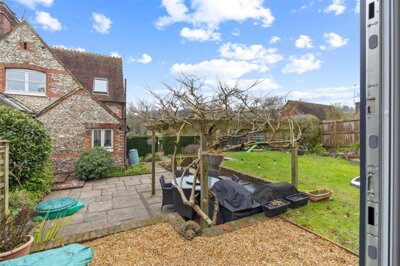
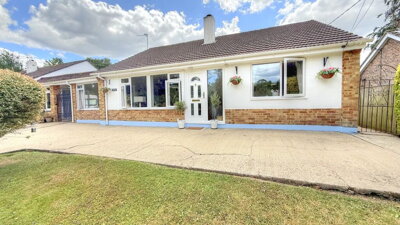
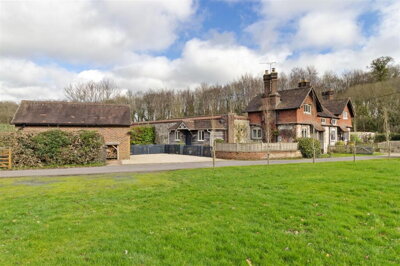
The geological setting and traditional building materials give Langrish its distinctive appearance, with properties featuring characteristic brick and flint elevations under tiled roofs, a building tradition that continues in the newer Langrish Grove development with its rustic clay tiles and anthracite grey windows. The absence of significant flood risk, as confirmed by local property listings noting "there has never been any internal flooding," adds to the area's appeal for families concerned about environmental risks. The village's position within the South Downs National Park does mean that development is strictly controlled, helping to preserve property values over the long term.
Transport connections serve the village primarily via the A272 road, providing access to Petersfield approximately 4 miles away for mainline railway services to London Waterloo and Portsmouth. The village's economic history is unique, with the old stables at Langrish House having served as a munitions and Spitfire aircraft parts factory during WWII, and in the 1960s the mould for the Concorde nose cone was manufactured there, demonstrating the area's unexpected industrial heritage. Today local employment centres around tourism, agriculture, and the hospitality sector, with Langrish House operating as a bed and breakfast providing local employment.
Additional listed buildings in the GU32 postcode area further enrich the architectural heritage, including Barrow Hill Farmhouse, Bordean House, Chapel Cottage, Lower Bordean Farmhouse, New Barn at Harrow Way Farm, Pitts Farmhouse, The White House, and Underwood Cottage. This concentration of historic properties underscores why many buyers are drawn to Langrish, seeking character homes in a preserved rural setting.











 Williams of Petersfield
-29d ago
Williams of Petersfield
-29d ago