The KW10 postcode area, covering Wick and its surrounding communities in the far north of Scotland, presents a distinctive property market shaped by local employment, geography, and housing stock. Our analysis of recent sales data shows approximately 30 property transactions in the past 12 months across the KW10 area, with overall prices showing a modest decline of 1.7% year-on-year. This trend reflects broader market conditions across the Highland region, where local economic factors play a significant role in buyer activity and property values.
The average house price in KW10 currently stands at £145,183 according to Rightmove data, with significant variation across property types. Detached properties average £206,177, while semi-detached homes fetch around £137,364. Terraced properties average approximately £110,000, and flats represent the most affordable segment at around £70,000. Understanding these price differentials is essential when selecting an estate agent who has proven experience in your specific property segment.
Key employers in the wider Caithness area significantly influence the local housing market. The Dounreay nuclear decommissioning site remains a major employer, alongside the growing renewable energy sector encompassing both onshore and offshore wind projects. Tourism, fishing, and public services through NHS Highland and Highland Council also contribute to economic activity. These sectors attract specific buyer demographics, and local estate agents who understand these employment patterns can effectively match properties with appropriate buyers.
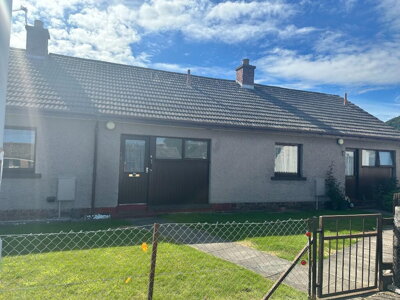
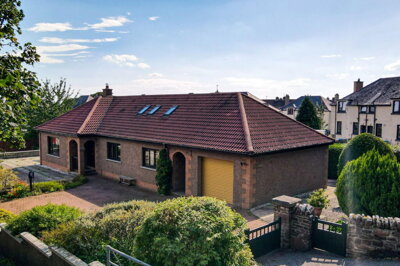
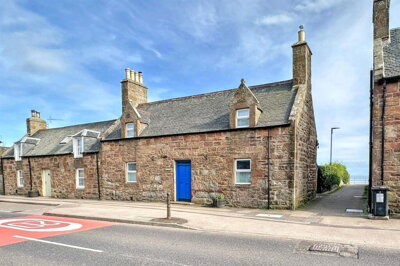
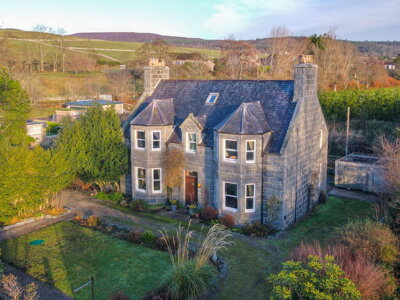
The KW10 area features properties spanning multiple construction eras, from traditional stone-built cottages to modern developments. Many properties in the wider Wick area are constructed using local stone, often harled or rendered, with slate roofs being prevalent on older buildings. The geology of Caithness predominantly features Old Red Sandstone with areas of flagstone and glacial till deposits. This geological context can influence property conditions, with clay content in glacial tills potentially indicating some risk of ground movement affecting foundations.











 Paul Coutts Estate Agency
-100d ago
Paul Coutts Estate Agency
-100d ago