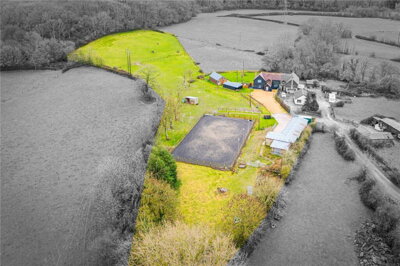
Kingsclere nestles in the North Wessex Downs, a landscape of chalk downland, wooded valleys, and agricultural land that defines much of North Hampshire's character. The village has a population of approximately 3,639 residents across 1,559 households according to the 2021 Census, creating a close-knit community feel while offering easy access to larger towns. The geology here is predominantly chalk, which while generally stable, can lead to shrink-swell risks where clay deposits overlay the bedrock, particularly in areas with mature trees or historic ground movement.
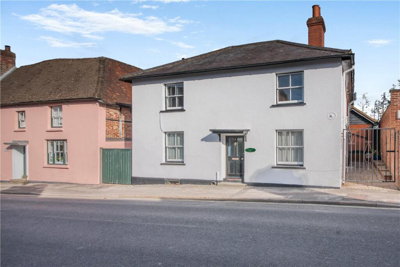
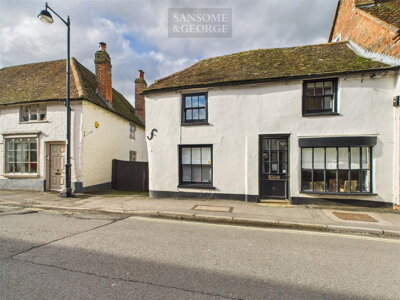
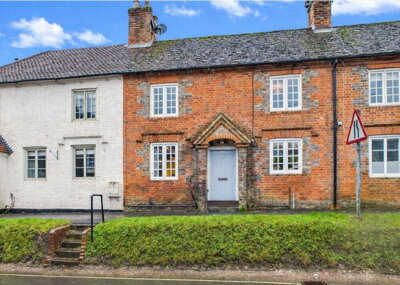
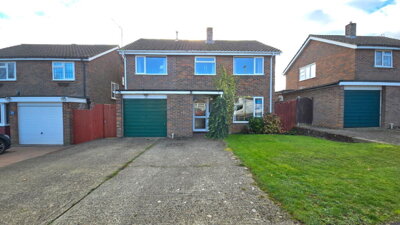
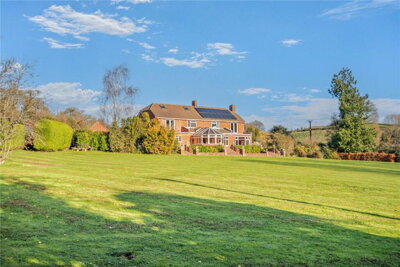
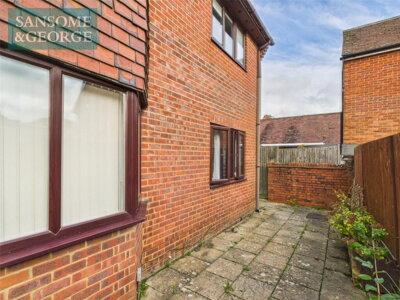
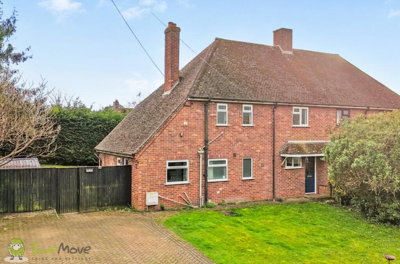
The village centre features a designated Conservation Area encompassing much of the historic core, including the parish church and period cottages built from traditional red brick with tile roofs. Many older properties feature flint or local stone elements, adding to the architectural richness that makes Kingsclere visually distinctive. Newer developments around the periphery, including The Chase and The Pastures, use modern construction methods while respecting the village scale.
Flood risk in Kingsclere is primarily surface water flooding, affecting low-lying areas and properties near the small streams and tributaries that flow through the village. Unlike riverside locations, Kingsclere faces no significant coastal flood risk. For buyers, this means considering drainage and ground conditions, particularly for older properties where historic foundations may be shallower. The proximity to major transport links, including the A339, A34, M3, and M4, makes Kingsclere particularly attractive to commuters, with Basingstoke, Newbury, and Reading all within reasonable driving distance.
- Population 3,639 (2021 Census)
- Conservation Area covers historic village centre
- Chalk geology with localized shrink-swell risk
- Surface water flood zones in low-lying areas
- Strong commuter links to Basingstoke, Newbury, Reading











 Ewemove
-5d ago
Ewemove
-5d ago