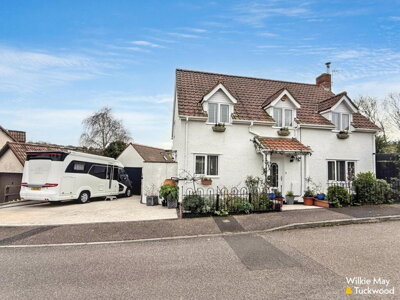
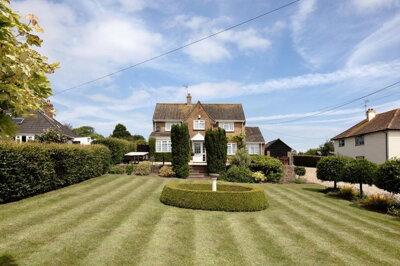
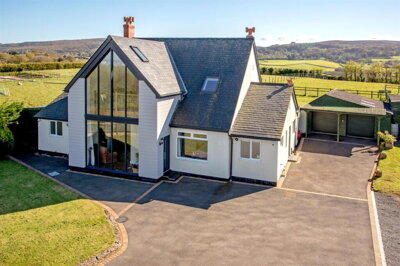
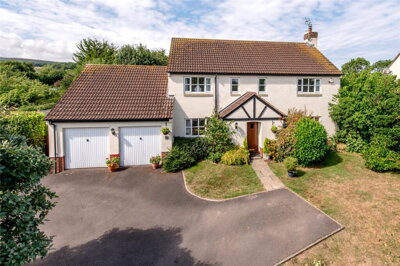
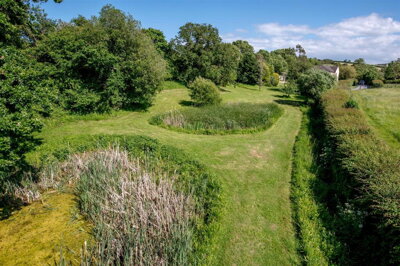
Kilve is a small picturesque village in West Somerset, home to approximately 367 residents according to recent estimates. The village sits within the Quantock Hills National Landscape (formerly AONB), making it one of Somerset's most environmentally protected areas. This designation significantly influences property values, as buyers pay a premium for access to outstanding natural beauty, miles of public footpaths, and the unspoilt countryside that characterises this part of the county.
The village centre features a 17th-century coaching inn, a post office and stores, and a village hall, providing essential everyday amenities. Kilve Court operates as an outdoor education centre, adding to the community's educational offerings. The area's geological significance attracts visitors for fossil hunting along Kilve Beach, where the cliffs reveal layers of compressed oil-bearing shale and Blue Lias dating back to the Jurassic period. This combination of heritage, natural beauty, and coastal access makes Kilve particularly attractive to buyers seeking a rural lifestyle within reasonable reach of larger towns.
The local geology presents some considerations for property owners. Kilve sits on Jurassic strata known as the Blue Lias, consisting of interbedded shales and limestones. The presence of shale and clay in the local geology creates potential for shrink-swell behaviour, which can affect foundations, particularly in properties with shallower footings. Historic buildings in the village, including the Church of Saint Mary (Grade II*) and Kilve Court (Grade II), are constructed using blue lias random rubble with brick dressings and slate roofs. Buyers considering older properties should factor in the potential for specialist survey requirements, particularly for the numerous listed buildings in the village.
Transport connections serve the village via the A39 road, providing access to nearby towns including Watchet, Bridgwater, and Taunton. The nearest railway stations are at Taunton and Bridgwater, offering mainline services to Bristol, Exeter, and London. The coastal location means properties very close to the shoreline may be affected by coastal erosion, an ongoing environmental consideration for this stretch of the Bristol Channel.










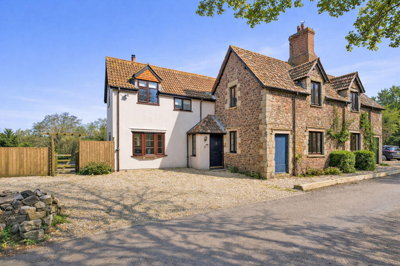
 Red Deer Country
-8d ago
Red Deer Country
-8d ago