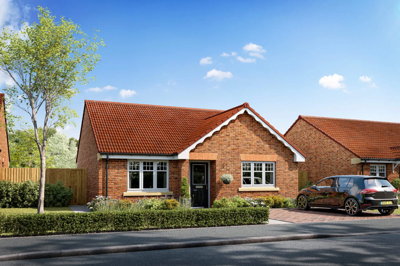
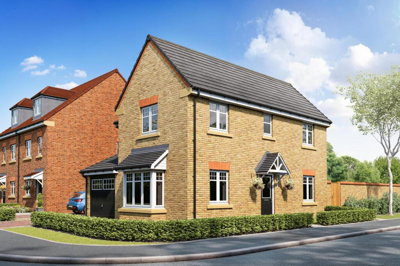
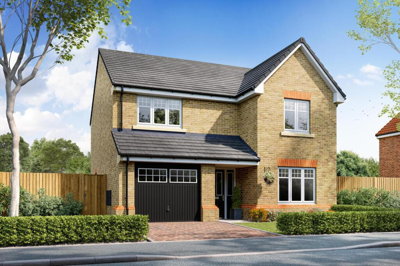
Killamarsh is a former coal mining village in North East Derbyshire with a population of 9,082 residents according to the 2021 Census, residing in approximately 3,894 households. The village experienced significant growth during the height of the coal mining era, with the Sheffield iron industry driving much of its early development. Today, the last collieries at Westthorpe and High Moor have long ceased operation, and the area has transformed into a local service centre with independent shops and a business park. The Norwood industrial estate and light industrial units provide local employment, while the business innovation centre on the former Westthorpe Colliery site represents efforts to attract new industries to the area.
The geological conditions in Killamarsh present specific considerations for property buyers. The village sits on a gently undulating landform rising to a magnesian limestone plateau, with clay subsoil dominating the area. This clay substrate creates potential for shrink-swell risk, where the ground expands and contracts with moisture changes, potentially causing subsidence issues particularly for properties near large trees. Additionally, Killamarsh's mining legacy means some areas may have untreated mine shafts and workings beneath them, posing risks of land instability. Properties in areas like those near the former Westthorpe Colliery may require a Coal Mining Risk Assessment as part of the conveyancing process.
Transport connectivity is a strong selling point for Killamarsh, with excellent links to the M1 motorway making it a desirable commuter base for Sheffield, Chesterfield, and Rotherham. The village has local amenities including shops, schools, and recreational facilities. The River Rother flows through the area, and flood warnings are in place for specific zones including Forge Lane, Sheffield Road, Netherthorpe Close, George Lane, and Quarry Road, as well as areas around Meadowgate Park and the local sports grounds. Green Lane is also noted as being prone to flooding during periods of heavy rainfall. Surface water flooding affects additional properties throughout the village, particularly in low-lying areas.
Killamarsh contains five listed buildings within its civil parish, all concentrated around St Giles' Church and Westhorpe Farm. St Giles' Church dates from the 12th century and is Grade II* listed, while other listed buildings include Westhorpe Farmhouse and associated barns. The village does not have any designated conservation areas, giving relative freedom for property alterations and development. Properties near St Giles' Church and Westhorpe Farm may have additional restrictions due to their proximity to listed buildings, and buyers should factor this into any renovation plans.











 William H. Brown
-1d ago
William H. Brown
-1d ago