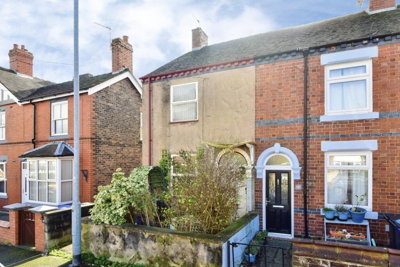
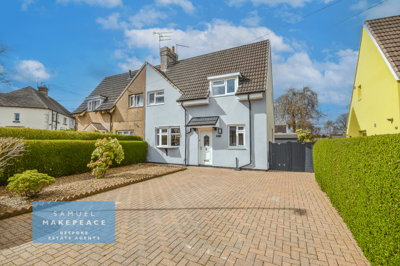
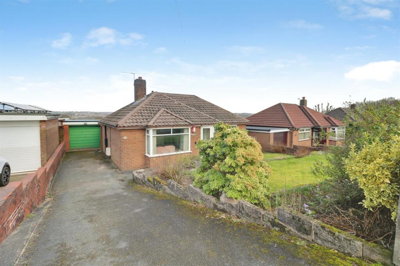
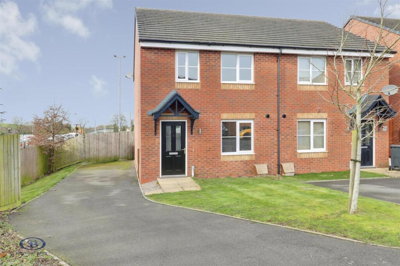
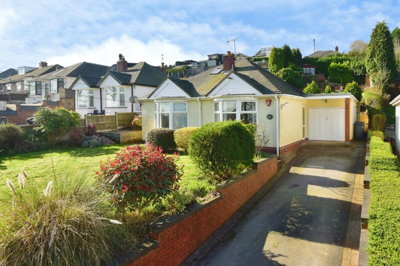
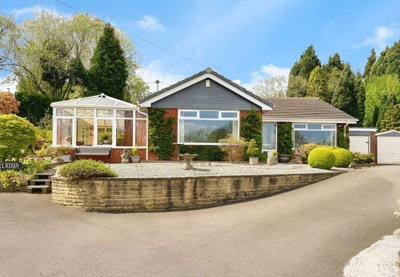
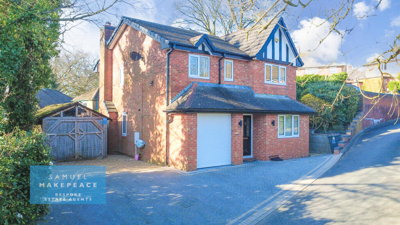
Kidsgrove sits within the Newcastle-under-Lyme borough in North Staffordshire, forming part of the larger Potteries Urban Area alongside Stoke-on-Trent. The parish has a population of approximately 23,464 residents according to the 2021 Census, with the built-up area housing around 15,593 people. The community offers a practical mix of local amenities, transport links, and green spaces, making it attractive to families and commuters alike. The town developed significantly from the 18th century around coal mining, though most of the original nineteenth-century cottages have been replaced by modern housing.
The geological landscape tells a story of industrial heritage. Kidsgrove developed from the 18th century around coal mining, with the Potteries coalfield underlying the area. The soil consists predominantly of clay, which presents specific considerations for property buyers. Clay soils are susceptible to shrink-swell events, where they expand and contract with moisture changes, potentially causing subsidence issues particularly during droughts or extended wet periods. This geological factor makes structural surveys particularly valuable when purchasing older properties.
The mining legacy extends to potential ground stability concerns. The unexpected discovery of unmapped historic mine shafts caused delays and required stabilisation work at Kidsgrove Station, highlighting the importance of thorough surveys for properties in the area. Properties in Kidsgrove may have been built on or near former colliery workings, and potential buyers should consider this when assessing any property. Additionally, certain areas including parts of The Avenue have experienced persistent surface water flooding due to drainage issues, a factor that buyers should investigate through environmental searches.
Kidsgrove benefits from two conservation areas, one in the village centre and another in Talke, with 29 Grade II listed buildings throughout the parish. These designations reflect the historical significance of structures including canal tunnel portals, the village cross, and various farmhouses and cottages. The Trent and Mersey Canal passes through the area, adding to the local character and offering recreational opportunities. The former General Electric site on West Avenue, which closed in 2016, represents significant economic history though the site has now been redeveloped.











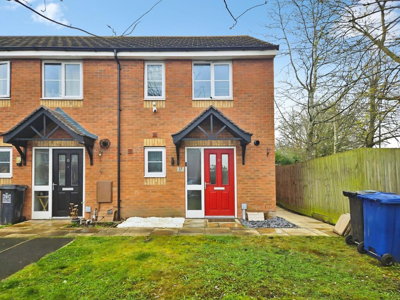
 Yopa
-4d ago
Yopa
-4d ago