Kedington is a village and civil parish in the West Suffolk district of Suffolk, situated approximately 4 miles northeast of Haverhill and within easy reach of the Essex border. The population stood at approximately 1,778 according to the 2021 Census, with the wider Parish of Kedington home to around 2,220 residents. The village has maintained a relatively stable population over the past two decades, with figures showing 1,545 in 2001, 1,566 in 2011, and the current estimate of around 1,733 for 2024, indicating modest growth rather than rapid expansion.
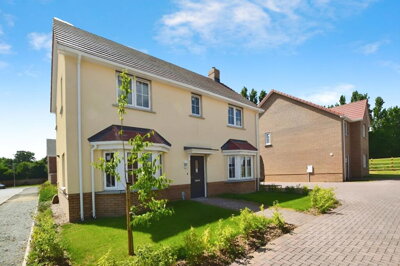
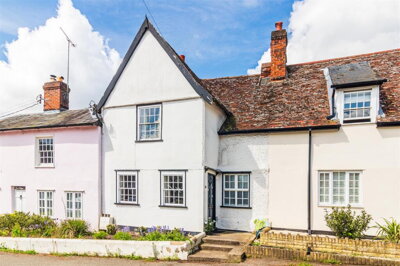
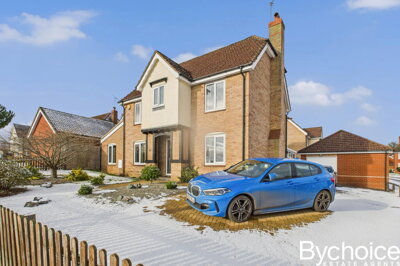
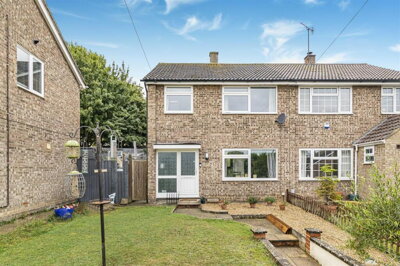
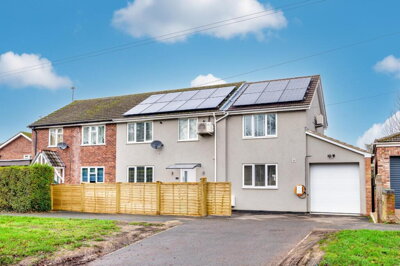
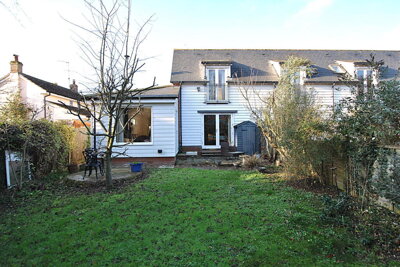
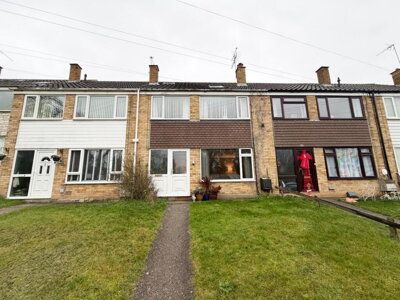
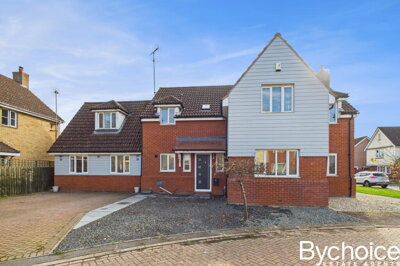
The character of Kedington is defined by its rich heritage, with numerous listed buildings creating a visually distinctive environment. The Church of St Peter and St Paul stands as a Grade I listed building, while many properties throughout the village hold Grade II status, including buildings on School Road, Bunty Lane, and Ketton House. This concentration of historic properties reflects the village's origins dating back to at least the 16th century, with many residential buildings representing centuries of architectural evolution.
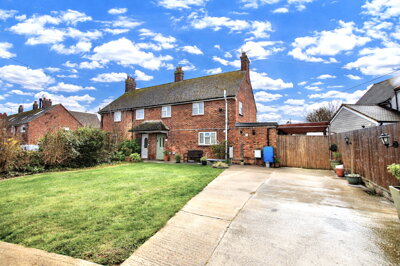
From an environmental perspective, Kedington sits on boulder clay deposits, which presents important considerations for property owners and surveyors. Clay-rich soils are susceptible to shrink-swell behaviour, a geohazard responsible for approximately 70% of all subsidence cases in the UK, particularly in the South East region. The village also lies near the River Stour, with low-lying land at potential risk if river levels exceed 1.31m, though current flood warnings show very low risk. The predominant building materials locally reflect traditional Suffolk craftsmanship, using flint, red brick, and timber with clay pantile or slate roofing.
Transport links serve the village through the A1017 and proximity to larger road networks, while employment in the surrounding Haverhill area draws from sectors including manufacturing, wholesale, retail, education, and health. The age profile of residents mirrors national averages, with common age groups spanning from 30-54 years, suggesting a balanced community of working-age families and older residents.











 Jamie Warner Estate Agents
-11d ago
Jamie Warner Estate Agents
-11d ago