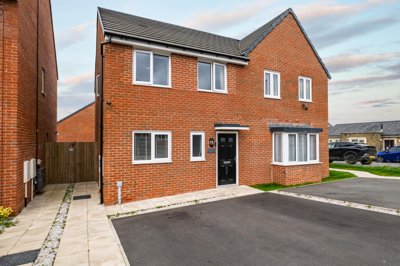
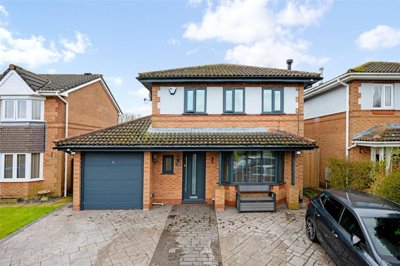
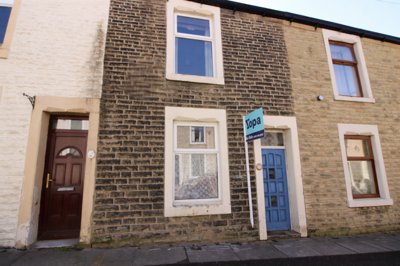
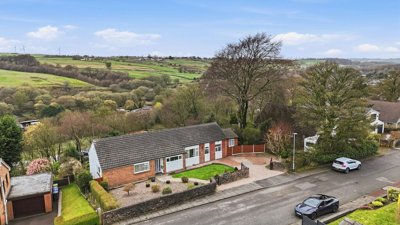
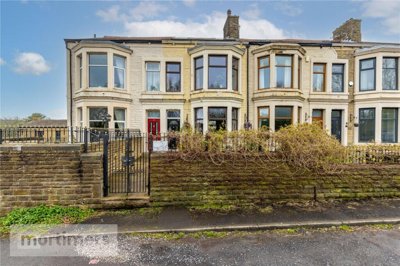
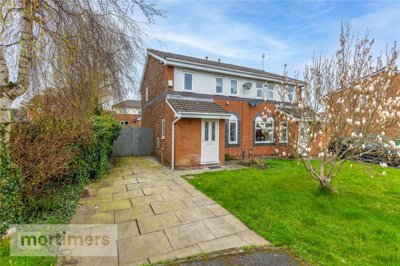
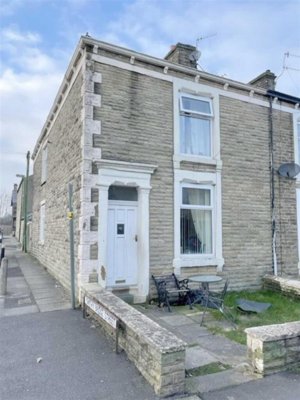
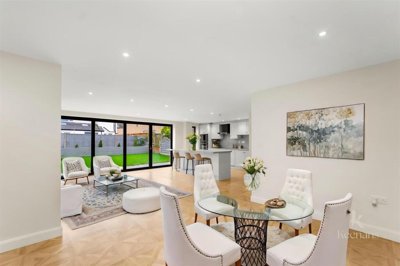
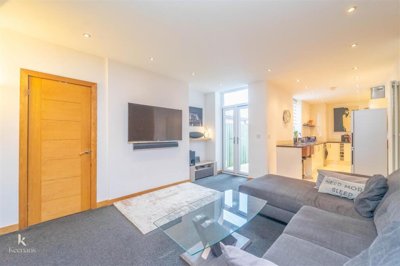
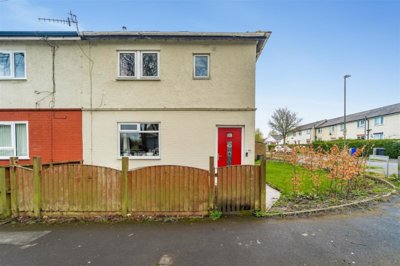
Hyndburn is a borough with a rich industrial heritage, situated in East Lancashire between Blackburn and Burnley. The area encompasses several distinct neighbourhoods including Accrington, Great Harwood, Clayton-le-Woods, Rishton, and Baxenden, each with its own character. The borough's population stands at approximately 81,496 across roughly 35,000 households, making it a significant residential hub in the region. The local economy has evolved from its textile and manufacturing roots, with current key employers spanning manufacturing, retail, and public services including the NHS and local council.
The geology of Hyndburn presents some considerations for property owners and buyers. The underlying geology consists primarily of Carboniferous rocks including sandstones, shales, and mudstones from the Millstone Grit and Coal Measures, overlaid with glacial till (boulder clay) in many areas. Properties in areas with significant clay content may face moderate to high shrink-swell risk during extreme weather, potentially affecting foundations. Given the borough's historic coal mining legacy, with deep mining having taken place throughout the area, certain locations may experience ground stability issues. A mining report is often recommended when purchasing properties in Hyndburn.
Flood risk is a consideration in parts of Hyndburn, particularly along the River Hyndburn and its tributaries. Surface water flooding affects various urban areas, especially where extensive impermeable surfaces concentrate rainfall runoff. Several conservation areas exist across the borough, including portions of Accrington, Great Harwood, Rishton, and Baxenden, protecting the special architectural and historic interest of these locations. Numerous listed buildings, ranging from historic mills and churches to residential properties, dot the landscape, particularly in older town centres and villages.
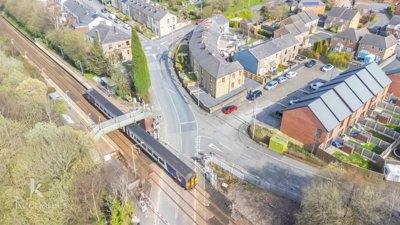
Transport links make Hyndburn accessible to larger employment centres. The area benefits from rail connections via Accrington station on the East Lancashire Line, providing services to Manchester, Preston, and Leeds. The M65 motorway passes nearby, offering straightforward road access to the wider region. Many residents commute to Manchester and Preston for work, while local employment opportunities remain strong in manufacturing and service sectors.










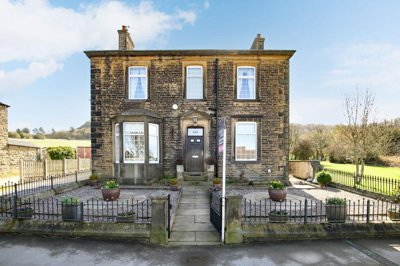
 Fardella & Bell LTD
-1d ago
Fardella & Bell LTD
-1d ago