Excellent
4.9 out of 5 star rating on Trustpilot
Trustpilot
Estate Agents

Best Estate Agents in Huntingdonshire

Compare top-rated local agents
Free, no-obligation valuations
Sell faster with expert support
Local estate agents in your area
ITV News TV Appearance The Times Featured AI Tech Company The Guardian - Homemove Insert Feature

Find the Best Estate Agents in Huntingdonshire

We track 152 estate agents actively marketing properties across Huntingdonshire, and we've ranked them all based on live listing data, market share, and average asking prices. selling a family home in St Neots, a period property in Godmanchester, or a modern apartment in Huntingdon, finding the right agent makes all the difference to your sale. Our data updates daily, so you can see which agents are genuinely active in your local market rather than those with stale listings or inflated figures.

The Huntingdonshire property market has shown resilient growth, with the average house price reaching £311,000 in late 2025, representing a 3.3% increase year-on-year. This growth outpaced the wider East of England region, making it an attractive area for sellers. With 3,334 properties currently on the market and a diverse mix of property types from detached family homes to terraced townhouses, the market offers opportunities across all price points. The district's excellent transport links to Cambridge and London, combined with strong local employment opportunities from RAF Alconbury and the growing technology sector, continue to support buyer demand.

When choosing an estate agent, we recommend looking beyond just the fees. The most successful sales in Huntingdonshire typically come from agents who understand local buyer preferences in their specific town or village. A property in St Ives will attract different buyers than one in Huntingdon town centre, and our rankings reflect these local specialisations. Requesting free valuations from at least three agents gives you the best chance of finding someone who accurately values your property and has proven success in your segment of the market.

Search for the best estate agents in Huntingdonshire, Cambridgeshire, England

Huntingdonshire Property Market Snapshot

152

Active Estate Agents

£381,816

Average Asking Price

3,334

Properties For Sale

Property Market in Huntingdonshire

The Huntingdonshire housing market has demonstrated steady growth, with Land Registry data showing the average house price reached £311,000 in December 2025, representing a 3.3% increase from the previous year. This performance exceeded the East of England regional average of 1.5%, indicating strong buyer demand across the district. Rightmove's more current data places the average asking price at £355,187, while Zoopla's sold price analysis shows properties achieving an average of £350,091 over the past twelve months. The market is currently approximately 1% below the 2022 peak of £359,917, suggesting a stable equilibrium following the post-pandemic surge.

The market shows distinct patterns across different property types. Detached properties command the highest prices, averaging £488,000 according to provisional Land Registry data, while semi-detached homes have seen the strongest price growth at 4.4% year-on-year. Terraced properties average around £243,000, and flats remain the most affordable option at approximately £151,000. The Huntingdon town centre specifically shows slightly higher averages, with the overall standing at £360,982 and detached properties reaching £495,090. This differentiation by property type is crucial for sellers to understand when positioning their home competitively.

Price trends vary considerably by postcode sector within Huntingdonshire, reflecting the diversity of the local market. The PE28 postcode (covering Huntingdon and Alconbury) shows particular activity due to new development at Alconbury Weald, while PE29 around Godmanchester and St Ives tends to attract buyers seeking period properties and village character. The St Neots area (postcode PE19) commands premium prices due to its excellent commuter links to London via the Thameslink service. Understanding these micro-market dynamics helps sellers target their marketing effectively and price realistically for their specific location.

Looking at price distribution, the market shows strong activity in the £300k-£500k bracket with 1,410 listings, representing the largest segment. The £200k-£300k range follows with 800 listings, while premium properties between £500k-£750k account for 435 listings. Properties under £200k offer good entry points with 470 listings combined, though these tend to sell quickly given first-time buyer demand. The top end of the market, with 66 properties over £1 million, represents a niche but active segment focused on country houses and substantial village properties.

Property Market at a Glance in Huntingdonshire

Based on 1,441 live listings with an average asking price of £393,111.

Average Asking Price by Type in Huntingdonshire

Detached (618) £538,490
Terraced (284) £276,314
Semi-Detached (271) £328,579
Flat (197) £180,912
semi_detached (20) £329,000
detached (5) £425,000
flat (2) £169,750
other (2) £220,000
terraced (2) £342,500
studio (1) £92,500

Average Asking Price by Bedrooms in Huntingdonshire

1 Bed (96) £141,239
2 Bed (326) £236,677
3 Bed (474) £338,884
4 Bed (397) £511,059
5 Bed (109) £743,798
6 Bed (20) £1,008,200
7 Bed (3) £1,111,667
9 Bed (1) £1,750,000

Listings by Price Range in Huntingdonshire

Under £100k 29 listings
£100k-£200k 192 listings
£200k-£300k 323 listings
£300k-£500k 585 listings
£500k-£750k 198 listings
£750k-£1M 79 listings
£1M+ 35 listings

Most Active Estate Agents in Huntingdonshire

1. Thomas Morris 185 listings (20.1%)
2. Harvey Robinson 155 listings (16.8%)
3. Peter Lane & Partners 135 listings (14.7%)
4. Oliver James 99 listings (10.7%)
5. Sharman Quinney 76 listings (8.3%)
6. Giggs & Mcgrath 67 listings (7.3%)
7. Ellis Winters Estate Agents 66 listings (7.2%)
8. William H. Brown 55 listings (6%)

Source: home.co.uk

See which agents are selling fastest and at the best prices in Huntingdonshire.

Compare Estate Agents Free

What's Selling in Huntingdonshire

The Huntingdonshire market presents a healthy mix of property types, with detached properties dominating the listings at 1,027 homes currently available. This preference for larger family homes reflects the area's appeal to commuters and families seeking space while maintaining access to Cambridge and London. Three-bedroom properties remain the most prevalent option with 1,215 listings, followed by four-bedroom homes at 914, indicating strong demand from growing families seeking extra bedrooms or home office space in the post-pandemic era.

New build activity continues to shape the market, particularly at Alconbury Weald (PE28), a major development featuring homes from Crest Nicholson, David Wilson Homes, and Barratt Homes. The development offers properties ranging from two to five bedrooms, catering to first-time buyers through to families seeking larger homes. Romans Edge in Godmanchester and various developments in St Ives also contribute to new build supply. These developments offer modern energy efficiency but often come at a premium compared to equivalent older properties, with buyers paying approximately 10-15% more for new construction.

Two-bedroom properties represent the second-largest segment at 718 listings, averaging £230,710 and appealing strongly to first-time buyers and investors. One-bedroom properties, while the smallest segment at 201 listings, represent the most affordable entry point at an average of £144,091, attracting buy-to-let investors due to strong rental demand from young professionals working at nearby RAF bases or commuting to Cambridge. The premium end shows five-bedroom properties averaging £697,266 and six-bedroom homes reaching £966,000, typically located in sought-after villages like Kimbolton, Grafham, or near the Cambridgeshire Golf Club.

  • 3-bed homes most common
  • Detached properties dominate listings
  • New builds at Alconbury Weald
  • Transaction volumes stabilizing
  • 2-bed properties popular with investors
Find the best estate agents selling homes in Huntingdonshire, Cambridgeshire, England

Area Character and Local Insight

Huntingdonshire offers a distinctive mix of historic market towns and charming villages set within the Cambridgeshire countryside. The district's population of 183,700 residents across 75,900 households enjoys access to excellent schools, traditional pubs, and independent shops in locations like St Ives, St Neots, and Kimbolton. The historic town of Huntingdon, situated on the River Great Ouse, provides the main administrative centre with good rail connections to London King's Cross via Cambridge, typically taking around 55 minutes. St Neots offers even faster Thameslink services to London, making it particularly popular with commuters.

The geology of Huntingdonshire presents important considerations for property owners and buyers. The district sits largely on Gault Clay and Oxford Clay deposits, particularly in the south and east, creating a moderate to high shrink-swell risk. These clay soils can cause subsidence or heave in properties with shallow foundations during periods of drought or heavy rainfall, making structural surveys particularly valuable for older properties in areas like Fenstanton, Hilton, and the villages along the A14 corridor. Flood risk is another consideration, with the River Great Ouse and its tributaries posing fluvial flooding threats to low-lying areas in Huntingdon, St Ives, Godmanchester, and St Neots, particularly during winter months and after heavy rainfall.

The area's character is shaped by its rich architectural heritage, with numerous conservation areas protecting historic town centres and villages. Many properties in locations like Godmanchester, Kimbolton, and St Ives are constructed from the distinctive Fletton brick, a traditional material from the Peterborough region. The presence of RAF Alconbury and RAF Molesworth provides significant employment, while the proximity to Cambridge's biomedical campus and technology parks makes the area attractive to commuters. The A1 and A14 trunk roads provide excellent road connectivity, supporting the logistics and distribution sector that forms an important part of the local economy around the Alconbury Enterprise Zone.

Conservation areas in Huntingdonshire cover significant portions of the historic towns, with particularly notable concentrations in the centres of Huntingdon, St Ives, St Neots, Godmanchester, Ramsey, and Kimbolton. These areas contain numerous listed buildings, from medieval timber-framed houses through to Georgian townhouses, and strict planning controls apply. Properties in conservation areas may require additional considerations for insurance and mortgage valuation, and buyers should be aware that permitted development rights may be more restricted than in non-designated areas.


Choosing an Estate Agent in Huntingdonshire

Selecting the right estate agent in Huntingdonshire requires understanding the local market dynamics and your specific property type. The top-performing agents in the area have established strong market positions through consistent results and local expertise. Giggs & Mcgrath, based in St Ives, leads the market with 173 active listings and commands a 5.2% market share, specializing in properties at an average asking price of £396,447. Their strength lies in the St Ives and surrounding village market, particularly for family homes and period properties in the £350,000-£500,000 range.

Oliver James operates from Huntingdon with 163 listings and focuses on properties averaging £305,825, making them particularly active in the more affordable segments of the market. They have strong coverage across Huntingdon town centre and the PE28 postcode area, handling everything from first-time buyer flats to three-bedroom terraced houses. Peter Lane & Partners, also based in Huntingdon, has built a strong reputation in the premium sector with an average asking price of £416,515 across 129 listings, appealing to sellers of detached family homes and executive properties.

Harvey Robinson maintains significant presence across both Huntingdon and St Ives, with a combined market share exceeding 6% and properties averaging £372,231. Their dual-office presence gives them broader market coverage than single-location competitors. For those seeking specialized service, agents like Lennon James Property in Abbots Ripton focus on the ultra-premium market with average prices exceeding £526,000, while Annafield Estate Agents in St Neots concentrates on properties averaging £408,387. Young Residential in St Neots has carved out a strong position in that commuter town with 102 active listings.

When choosing between online and high-street agents, consider that traditional high-street agents typically charge between 1-3% plus VAT (1.2-3.6% total), while online agents offer fixed-fee alternatives usually ranging from £999 to £1,999. The average commission rate in England sits around 1.5% plus VAT. For Huntingdonshire's mix of property types and prices, the expertise of a high-street agent familiar with local buyer preferences and negotiation tactics often proves valuable, particularly for properties over £300,000 where the percentage fee becomes more competitive against fixed-rate alternatives. However, online agents can work well for straightforward properties in the £150,000-£250,000 range where the fixed fee saves money.

How to Choose the Right Estate Agent

1

Research Local Agents

Review agents with active listings in Huntingdonshire, checking their average asking prices match your property type and target market. Look at their geographic coverage and whether they have proven success in your specific town or village. Our live data shows which agents are genuinely active versus those with stale listings.

2

Request Free Valuations

Obtain valuations from at least three agents to compare their suggested asking prices and marketing strategies. Be wary of agents who value significantly higher than others, as this often leads to properties sitting on the market unsold. The right agent will provide a realistic valuation backed by comparable evidence from your specific local area.

3

Compare Marketing Approaches

Examine how agents plan to market your property, including photography quality, floor plans, virtual tours, and online presence. market, professional photography and detailed floor plans are essential minimums. Ask which portals they advertise on and whether they use social media marketing to reach potential buyers beyond the major portals.

4

Check Track Records

Enquire about recent sales in your area, time-on-market averages, and achieved sale prices versus asking prices. A good agent should be able to provide specific examples of similar properties sold recently and be transparent about how long properties typically take to sell in your market segment.

5

Review Contract Terms

Understand the agreement duration (typically 8-16 weeks for sole agency), notice periods, and any multi-agency options. Don't sign a long contract without understanding the termination terms. We recommend starting with a 12-week sole agency period, which gives enough time to assess performance without excessive commitment.

6

Negotiate Fees

Don't accept the first quote - agents are often willing to negotiate, particularly if you have multiple competitive offers. Consider what services are included in the fee, such as accompanied viewings, marketing materials, and regular progress updates. Sometimes paying slightly more for a more active agent yields a better final result than going with the cheapest option.

Pro Tip for Sellers

Before instructing any agent, always request a free market valuation from at least three different agencies. This gives you leverage to negotiate on fees and ensures you select an agent who accurately values your property - one who overvalues to win your business will likely leave your property on the market far longer than necessary.

Property Types and Construction in Huntingdonshire

Understanding the construction methods common in Huntingdonshire helps when assessing a property's potential condition. The older housing stock, particularly in historic towns like Godmanchester and Huntingdon, predominantly uses traditional brick construction with timber-framed elements. Many Victorian and Edwardian properties feature solid walls rather than modern cavity wall construction, which can affect thermal efficiency and damp resistance. These period properties often have shallower foundations, making them more susceptible to movement in the clay soils that dominate the area.

Fletton brick, sourced from nearby Peterborough, is a distinctive feature of many local properties, particularly those built in the late 19th and early 20th centuries. This brick is recognisable by its orange-red colour and was widely used because of its local availability. However, it is more porous than modern engineering bricks, meaning external walls may require more maintenance and are more prone to damp penetration if pointing deteriorates. Roofs on older properties typically use clay tiles or slate, with many original roofs now over 100 years old and requiring careful inspection.

Post-war properties (1945-1980) brought cavity wall construction to the area, significantly improving thermal efficiency and weather resistance. These properties typically have deeper foundations than their pre-war counterparts, offering better stability in the clay soil conditions. Modern developments from the 1980s onwards use standard contemporary construction techniques, with many new homes at Alconbury Weald featuring energy-efficient designs and modern building control standards. However, even new builds can have defects, so professional surveys remain valuable regardless of property age.

Common Defects in Huntingdonshire Properties

Given the local geology and construction history, certain defects are particularly common in Huntingdonshire properties and warrant specific attention during surveys. The prevalence of shrinkable clay soils (Gault Clay and Oxford Clay) means that subsidence and heave are significant risks, particularly for properties with shallow foundations built before the 1970s. During prolonged dry spells followed by heavy rainfall, clay soils expand and contract significantly, potentially causing structural movement that manifests as cracking in walls, particularly around door and window frames.

Damp issues are prevalent throughout the older housing stock, affecting both solid wall properties and those with cavity wall construction. Rising damp occurs where the original damp proof course has failed or was never installed, particularly common in properties built before 1920. Penetrating damp often affects properties where roof tiles or leadwork have deteriorated, allowing water ingress that can travel laterally through walls. Condensation is particularly common in modern, energy-efficient properties where inadequate ventilation combines with occupied use, leading to black mould in bathrooms and kitchens.

Timber defects including wet rot, dry rot, and woodworm affect many properties, particularly those with damp conditions or where timber elements have been exposed to moisture. Ground floor joists, window frames, and roof timbers are common problem areas. In properties with original timber-framed construction, movement or decay in structural elements can have serious implications, making thorough inspection essential. The presence of trees near properties, common in village locations like Hilton and Hemingford Grey, increases the risk of root-related subsidence and should be specifically investigated.

Electrical and plumbing systems in properties built before 1980 frequently require updating to meet current standards. Original fuse boards with rewireable fuses, aluminium wiring in properties from the 1960s-70s, and lead-lined water pipes represent potential hazards and insurance concerns. Modern buyers expectEICR (Electrical Installation Condition Reports) and the seller must provide this before marketing. Gas boilers over 15 years old typically require replacement, and the recent changes to rental regulations mean that private landlords face increasingly stringent requirements.

Price Analysis by Bedrooms in Huntingdonshire

Understanding the bedroom distribution in Huntingdonshire helps sellers position their property competitively within the market. Three-bedroom properties dominate the market with 1,215 active listings, representing the largest segment and typically selling within the £230,000 to £350,000 range at an average of £335,537. This property type appeals strongly to first-time buyers and young families, making it the most liquid segment of the market. Properties in this bracket in locations like St Ives and St Neots with good school catchment areas tend to achieve the strongest prices and fastest sale times.

Four-bedroom homes constitute the second-largest segment with 914 listings, averaging £506,734. These properties attract professional couples and families seeking additional space, with strong demand in locations like St Ives and St Neots offering good commuter access. The premium four-bedroom market in villages like Kimbolton and Grafham can achieve significantly higher prices, particularly for properties with large gardens or rural views. One-bedroom properties, while the smallest segment at 201 listings, represent the most affordable entry point at an average of £144,091, appealing to first-time buyers and investors targeting the rental market.

The premium end of the market shows interesting dynamics, with five-bedroom properties averaging £697,266 and six-bedroom homes reaching £966,000 on average. Properties with seven bedrooms command over £1 million on average, typically located in sought-after villages or with substantial land holdings. These executive homes often feature extensive gardens, outbuildings, or proximity to private schools, with areas around Grafham Water and the Cambridgeshire Golf Club particularly popular. For sellers, understanding where your property sits within these bedroom brackets helps set realistic expectations and identifying which agents have proven track records in your specific market segment.

Latest Properties For Sale in Huntingdonshire

1,441 properties currently listed across Huntingdonshire. Here are the most recently added.

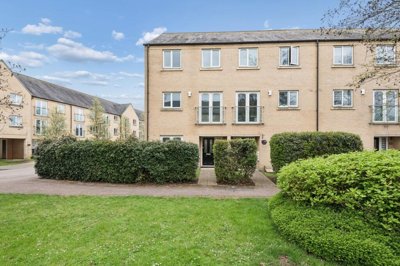
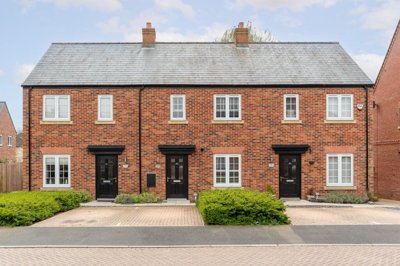
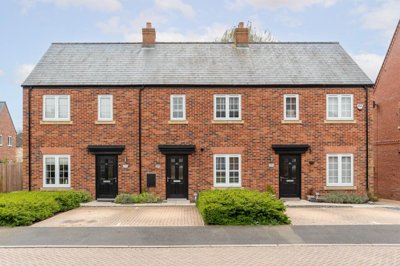
Property on Skipper Way, PE19 6LQ

£350,000

End of Terrace, 5 bed

Skipper Way, PE19 6LQ

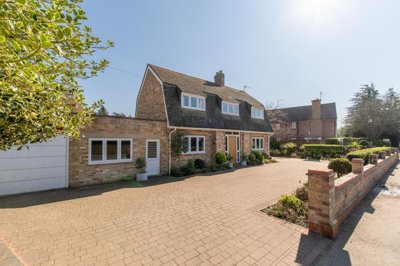
Property on Buckden Road, PE28 4PR

£600,000

Detached, 3 bed

Buckden Road, PE28 4PR

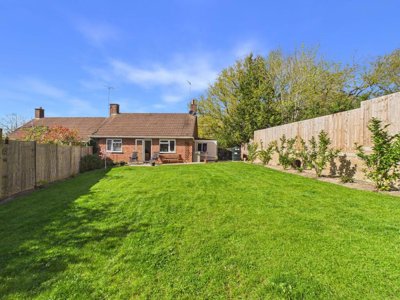
Property on Gains Lane, PE28 5NN

£245,000

Semi-Detached Bungalow, 2 bed

Gains Lane, PE28 5NN

Property on The Avenue, PE29 2AE

£175,000

Terraced, 2 bed

The Avenue, PE29 2AE

Property on Barham Road, PE28 5AP

£600,000

Detached Bungalow, 2 bed

Barham Road, PE28 5AP

Property on St Marys Street, PE19 2TA

£800,000

Detached, 5 bed

St Marys Street, PE19 2TA

Property on St Neots Road, PE19 7BA

£170,000

Apartment, 1 bed

St Neots Road, PE19 7BA

Property on Walston Way, PE28 4GT

£154,000

Terraced, 2 bed

Walston Way, PE28 4GT

Property on Somning Close, PE28 4GG

£300,000

Semi-Detached, 3 bed

Somning Close, PE28 4GG

Property on Walston Way, PE28 4GT

£280,000

Terraced, 2 bed

Walston Way, PE28 4GT

Property on Chapmans, PE28 9AU

£375,000

Terraced, 2 bed

Chapmans, PE28 9AU

Property on Warboys Road, PE28 3DA

£475,000

Detached, 4 bed

Warboys Road, PE28 3DA

Sell your property in Huntingdonshire for the best price

Get free, no-obligation valuations from the top-performing local agents. Compare fees, services, and track records before you decide.

Compare Agents Free

Frequently Asked Questions About Estate Agents in Huntingdonshire

Who are the best estate agents in Huntingdonshire?

Based on our live market data, Giggs & Mcgrath leads with 173 active listings and 5.2% market share, followed by Oliver James with 163 listings (4.9% share) and Peter Lane & Partners with 129 listings (3.9% share). The top three agents collectively control approximately 14% of the market, with the remaining share distributed among 149 other active agents across the district. The best agent for you depends on your property type and location - Giggs & Mcgrath excels in the St Ives premium market, while Oliver James has strong coverage in Huntingdon town centre for more affordable properties.

How much do estate agents charge in Huntingdonshire?

Estate agent fees in Huntingdonshire typically range from 1-3% plus VAT (1.2-3.6% total), with the national average sitting around 1.5% plus VAT. For a property at the average asking price of £381,816, this would translate to fees between £4,582 and £13,745. Online agents offer fixed-fee alternatives typically ranging from £999 to £1,999, which can be more cost-effective for properties under £300,000. However, traditional high-street agents often provide more personalized service, accompanied viewings, and better negotiation skills that can result in a higher final sale price, particularly for properties over £350,000 in competitive market segments.

Are house prices rising in Huntingdonshire?

Yes, house prices in Huntingdonshire have shown positive growth, with the average house price reaching £311,000 in December 2025, representing a 3.3% increase year-on-year. This growth exceeded the East of England regional average of 1.5%. Semi-detached properties showed the strongest growth at 4.4%, while flats remained relatively stable. The market is currently approximately 1% below the 2022 peak of £359,917, suggesting stable conditions without the dramatic price corrections seen in some other regions. The strong performance reflects continued demand from commuters seeking more affordable housing than central Cambridge while maintaining reasonable travel times.

What is Huntingdonshire like to live in?

Huntingdonshire offers an excellent quality of life with a population of 183,700 across its market towns and villages. The area combines historic charm with modern amenities, featuring conservation areas in locations like Huntingdon, St Ives, St Neots, and Godmanchester. Residents benefit from good transport links via the A1 and A14, rail connections to Cambridge and London (approximately 55 minutes to King's Cross from Huntingdon), strong local schools including highly rated primaries and the independent Kimbolton School, and access to countryside walks along the River Great Ouse and Grafham Water. Major employers include RAF Alconbury, the logistics sector around the A14 corridor, and the growing technology cluster in nearby Cambridge.

What are the most common property types in Huntingdonshire?

Detached properties are the most common type listed, with 1,027 homes currently on the market, followed by semi-detached (602), flats (328), and terraced houses (283). Three-bedroom properties dominate the market with 1,215 listings, reflecting strong demand from families. The average asking price for detached homes is £549,591, while flats average £169,737. This mix reflects the area's appeal to families seeking space while maintaining accessibility to Cambridge and London, though first-time buyers are well-served by the flat and two-bedroom terraced stock.

Are there new build developments in Huntingdonshire?

Yes, Huntingdonshire has several significant new build developments. The most prominent is Alconbury Weald (PE28), a large development featuring homes from Crest Nicholson, David Wilson Homes, and Barratt Homes, offering two to five-bedroom properties across various price points. Romans Edge in Godmanchester and various developments in St Ives also contribute to new build supply. These developments offer modern specifications, energy efficiency, and typically come with a 10-year NHBC warranty, but often command premiums of 10-15% compared to equivalent older properties. Buyers should consider whether the premium is justified for their circumstances, as older properties often offer more character and larger plot sizes.

What should I look for in a property survey in Huntingdonshire?

Given Huntingdonshire's geology, which includes significant clay deposits (Gault Clay and Oxford Clay), surveys should specifically check for subsidence and heave risks, particularly in properties with shallow foundations built before the 1970s. The area also has flood risk along the River Great Ouse and its tributaries, so drainage and flood history warrant careful investigation in properties around Huntingdon, St Ives, Godmanchester, and St Neots. Common issues in the area's older properties include damp (rising and penetrating), roof defects including slipped tiles and failing leadwork, outdated electrics in properties pre-1980, and timber decay in ground floor joists and window frames. A RICS Level 2 Survey is recommended for properties over 50 years old or showing signs of structural stress, while a Level 3 Structural Survey is advisable for older period properties, those with visible cracks, or where structural concerns have been identified.

How long does it take to sell a property in Huntingdonshire?

The time to sell varies depending on property type, pricing, and market conditions in your specific segment. Properties priced correctly for their segment typically achieve sale agreed status within 4-12 weeks in the current market, though this can extend during quieter periods or for properties in less popular locations. Three-bedroom properties and well-presented family homes in good locations (particularly within catchment of sought-after schools in St Ives and St Neots) tend to sell fastest, while premium properties or those requiring significant modernization may take longer. Working with a local agent who understands buyer demand in your specific area can significantly reduce time-on-market, as can ensuring your property is presented to the highest standard with professional photography and accurate pricing from the outset.

Services You'll Need When Selling

Sort Your Estate Agents From Anywhere

Excellent
4.9 out of 5 star rating on Trustpilot
Trustpilot
Estate Agents
Best Estate Agents in Huntingdonshire

Compare 152 local agents, data from 3,334 active listings

Find Agents
ITV News TV Appearance The Times Featured AI Tech Company The Guardian - Homemove Insert Feature
Terms of use Privacy policy All rights reserved © homemove.com | Estate Agents » Huntingdonshire

Homemove is a trading name of HM Haus Group Ltd (Company No. 13873779, registered in England & Wales). Homemove Mortgages Ltd (Company No. 15947693) is an Appointed Representative of TMG Direct Limited, trading as TMG Mortgage Network, which is authorised and regulated by the Financial Conduct Authority (FRN 786245). Homemove Mortgages Ltd is entered on the FCA Register as an Appointed Representative (FRN 1022429). You can check registrations at NewRegister or by calling 0800 111 6768.