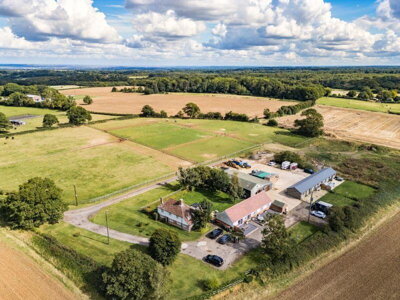
Hucking is a small but characterful village parish situated in the heart of rural Kent, approximately 6 miles east of Maidstone town centre. The settlement sits within the North Downs area, characterised by rolling countryside, ancient woodlands, and the distinctive Kentish landscape that has attracted buyers seeking the English countryside lifestyle for generations. The village itself features a historic church, traditional pub, and scattered farm buildings, exemplifying the classic Kentish rural village aesthetic that appeals to buyers wanting escape from urban life.
The underlying geology of the Hucking area includes clay formations, specifically Gault Clay in parts of Kent, which presents important considerations for property owners. Clay soils are susceptible to shrink-swell behaviour, meaning foundations can be affected by extreme wet or dry conditions. Sellers should be aware that surveys may identify subsidence risk or foundation movement concerns, particularly in older properties that were not built with modern foundation depths. A RICS Level 2 Survey is strongly recommended for any property purchase in this area to identify potential structural issues early.
Transport links from Hucking centre residents have access to the M20 motorway at junction 8, providing straightforward connections to London, the Channel ports, and the Kent coast. The nearest railway stations are at Hollingbourne and Bearsted, offering regular services to London Victoria and Ashford International. Local employment opportunities are limited within the village itself, with most residents commuting to larger towns including Maidstone, Sittingbourne, or Ashford. The area's appeal lies in its tranquility and landscape beauty rather than immediate local job prospects.
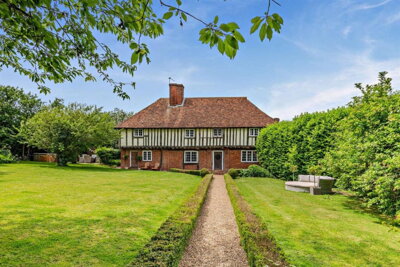
The population of 215 residents across 85 households creates a close-knit community atmosphere typical of small Kent villages. Local amenities are limited but include a traditional public house and village hall hosting community events. For schooling, families typically travel to nearby villages or Maidstone for primary and secondary education options. The absence of significant new development means the village maintains its historic character, with properties constructed using traditional methods and materials including Kentish ragstone, red brick, timber framing, and render finishes common throughout the area.











 Page & Wells
-34d ago
Page & Wells
-34d ago