Holwick sits in a picturesque location in the Pennine hills, close to the south bank of the River Tees. The village is characterised by its spread-out nature, with houses lining the road through the hamlet in traditional Teesdale style. The historical economy of the area included lead mining, iron smelting, and stone quarrying, though these industries declined in the 20th century and the area now primarily relies on sheep farming and tourism. The Wynch Bridge, thought to be Britain's first suspension bridge, spans the Tees near Holwick, testament to the area's historical significance.
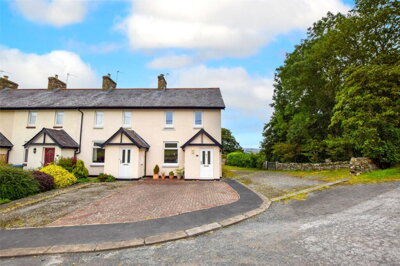
The geology of the area is dominated by limestone and sandstone, with historical quarrying operations in the surrounding hills providing building materials for local properties. This means homes in Holwick are typically constructed from local stone, giving the village its distinctive character. The proximity to the River Tees does bring some flood risk considerations, particularly for properties closest to the riverbank, and potential buyers should investigate specific flood risk assessments for individual properties. The rural location also means some properties may have limited connectivity and access compared to more urban areas.
Demographics in Holwick reflect a small, aging rural community typical of many Pennine villages, with few families with children due to limited local amenities and schools. The nearest schools are in surrounding larger villages and towns, making car transport essential for families. Transport links are limited, with the nearest railway stations some distance away in Barnard Castle or further afield. Despite these limitations, the area attracts buyers seeking peace, rural character, and access to beautiful countryside for walking and outdoor activities.
The historical legacy of lead mining in Teesdale also has implications for property owners in the Holwick area. Historical mining activity can sometimes affect ground conditions, and prospective buyers should consider appropriate surveys to identify any potential issues. The presence of old mine workings may not necessarily cause problems, but professional assessment provides and prevents unexpected remediation costs after purchase.










 George F.White
-206d ago
George F.White
-206d ago






























