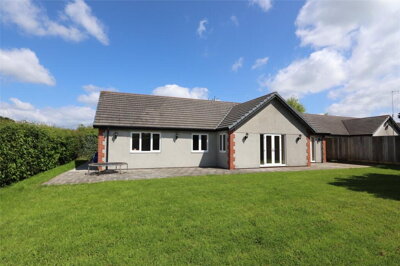
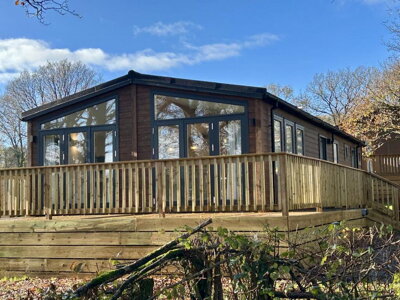
Highampton sits amid the rolling countryside of West Devon, a landscape characterised by the underlying geology of the Culm Measures, which consist of shales, sandstones, and limestones. The village's topography and drainage patterns mean that certain areas face a risk of surface water flooding, particularly after heavy rainfall, while properties near the River Lew also carry fluvial flood risk. These environmental factors are worth considering when purchasing property in the area, and a thorough survey can identify any specific flood mitigation measures in place.
The predominant building materials in Highampton reflect traditional Devon construction, with many properties featuring stone and rendered exteriors, slate and tile roofs, and solid stone or brick walls. The clay-rich soils common in the area, particularly in lower-lying positions, create a moderate to high shrink-swell risk for properties, meaning foundations and ground conditions should be carefully assessed, especially in older buildings. Properties with mature trees nearby may be more susceptible to ground movement, and this is something highlighted in structural surveys for homes in the village.
Despite its small size, Highampton parish contains several Grade II listed buildings, primarily historic farmhouses and cottages that reflect the agricultural heritage of the area. The village has no designated conservation area, but the presence of listed buildings means any renovation or extension work requires careful consideration of planning constraints. The local economy remains rooted in agriculture, though many residents commute to larger towns like Okehampton or Holsworthy for work, with the area also appealing to retirees and those seeking second homes in a tranquil rural setting.
The village community comprises approximately 215 households, with a strong sense of local identity centred around the parish church and traditional pub. Local amenities include a primary school serving families in the surrounding area, while the nearby towns of Okehampton and Holsworthy provide additional shopping, healthcare, and recreational facilities. The A388 road provides crucial connectivity, making Commuter journeys to Barnstaple and beyond feasible for those working in larger settlements.










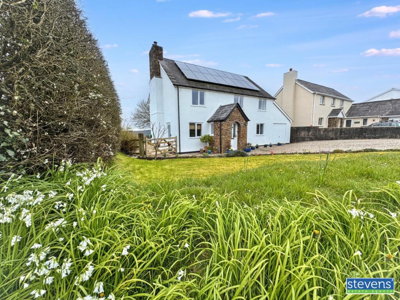
 Stevens Estate Agents
-11d ago
Stevens Estate Agents
-11d ago