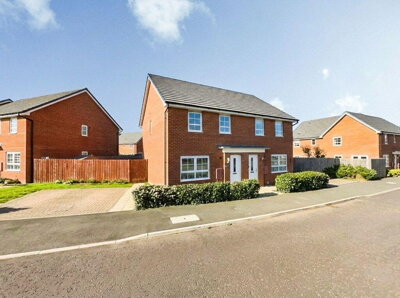
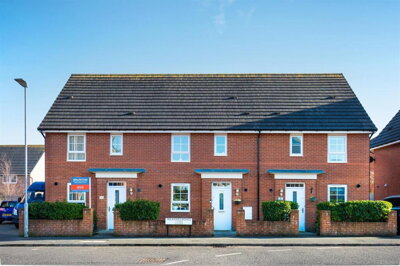
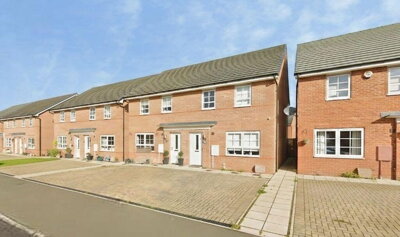
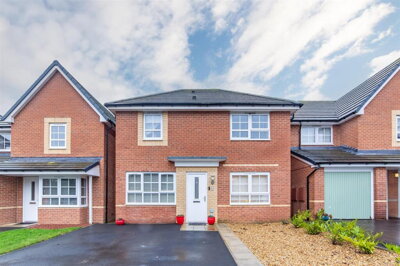
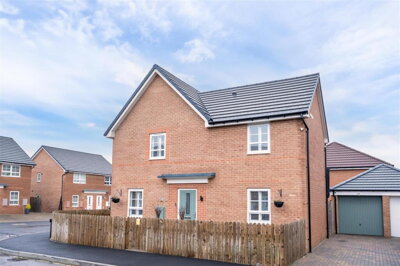
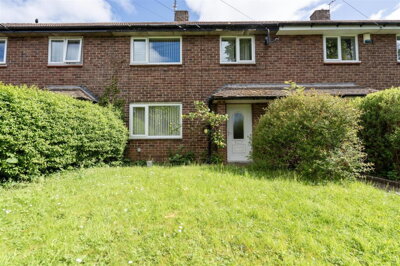
Hepscott sits in a rural Northumberland setting, characterised by its peaceful atmosphere and proximity to natural landmarks. The village is bisected by the Hepscott Burn, a watercourse that has caused significant flooding events in the past, notably in September 2008 when 11 properties were affected and over £200,000 in damage was recorded. The Coal Burn also flows through the area, and ongoing concerns about flood risk have led to the establishment of a Hepscott Parish Council Flood Group, which continues to work on mitigation measures including a proposed joint flood study.
Geologically, Hepscott lies on a surface coal resource, classified as a "coal mining area" requiring consideration of mineral sterilisation and potential land instability. Planning applications for new developments (excluding householder proposals) must include a Coal Mining Risk Assessment, reflecting the legacy of past mining activity in the region. This geological context is an important consideration for anyone purchasing property in the area, particularly older homes that may have foundations affected by historical mining.
The village contains several buildings of historical interest, most notably Hepscott Hall, a three-storey medieval pele tower that speaks to the area's ancient heritage. A late 18th-century smithy near the village centre is Grade II Listed, representing another element of Hepscott's historical character. These heritage buildings, combined with the village's expansion since the 1980s, create an interesting mix of old and new that defines the local environment.
Transport links serve the village reasonably well for a rural location. Morpeth, the nearest town with full amenities including independent shops, supermarkets, cafés, restaurants, and schools, is a short drive away. The A1 trunk road provides connections north to Edinburgh and south to Newcastle and beyond, while Morpeth railway station offers mainline rail services. This accessibility makes Hepscott popular with commuters seeking a village lifestyle without sacrificing connectivity to major employment centres.











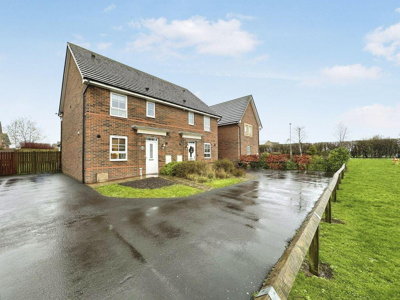
 Rook Matthews Sayer
-11d ago
Rook Matthews Sayer
-11d ago