Our data shows the Harborough housing market has seen modest price adjustments over the past year, with overall prices decreasing by approximately 1% according to the latest Land Registry figures. The average sold price in Harborough stands at £337,998 as of early 2026, compared to the current average asking price of £437,580 across active listings. This gap between asking and achieved prices reflects the broader national trend of buyers negotiating below asking prices in the current market conditions. Detached properties have held their value better than other types, with only a 0.7% year-on-year decline, while terraced properties saw the steepest adjustment at -1.4%.
Transaction volumes in the Harborough area remain healthy, with 589 property sales recorded in the last twelve months. The LE16 postcode area, encompassing Market Harborough and surrounding villages, continues to attract buyers seeking a balance between rural charm and good transport connections. The A6, A14, and M1 motorway provide straightforward access to Leicester, Northampton, and beyond, while the direct train service to London St Pancras makes the area particularly appealing for commuters who work in the capital but prefer a more affordable and peaceful home environment.
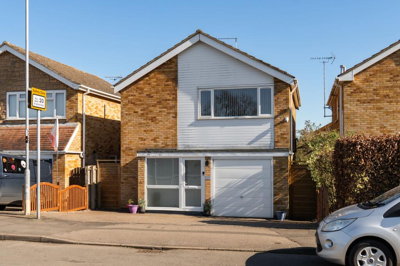
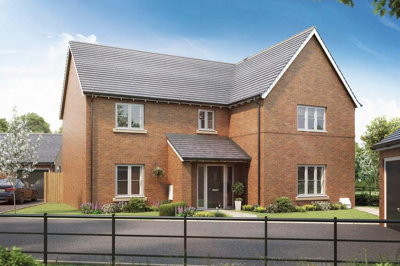
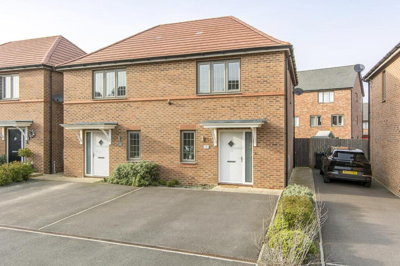
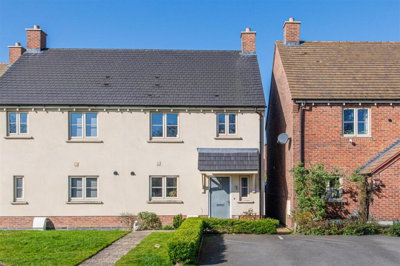
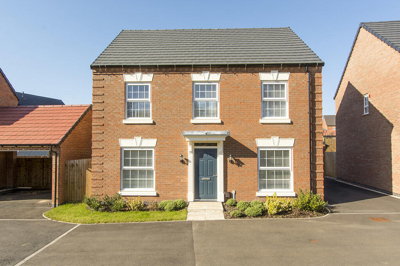
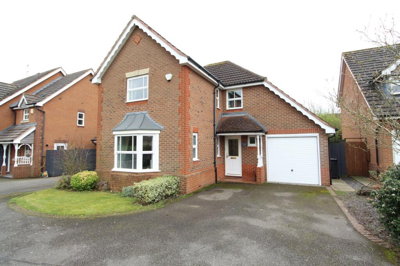
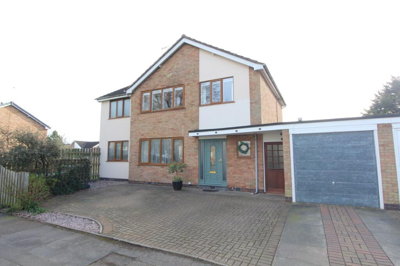
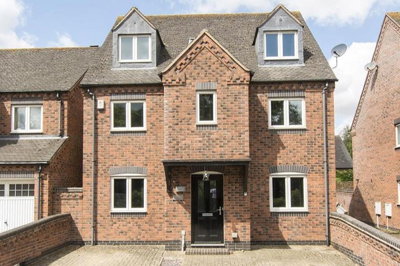
Property types in Harborough span an impressive range. Our current listings data shows detached homes dominate the market with 644 properties available at an average price of £592,864, reflecting the area's popularity with families seeking larger homes and rural settings. Semi-detached properties account for 288 listings at an average of £308,567, while terraced homes represent 124 properties averaging £249,803. Flats, though less prevalent at 81 listings, offer more accessible entry points at an average of £177,066.
The Harborough district, with its population of approximately 96,152 residents across 40,300 households, continues to see steady demand driven by its excellent location between Leicester and Northampton. The town serves as a key service centre for the surrounding rural villages, and the weekly market has been a feature of town life for centuries, contributing to the vibrant local economy that supports the housing market.










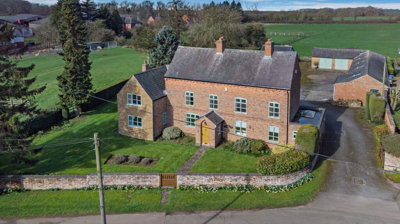
 Strutt & Parker
-5d ago
Strutt & Parker
-5d ago