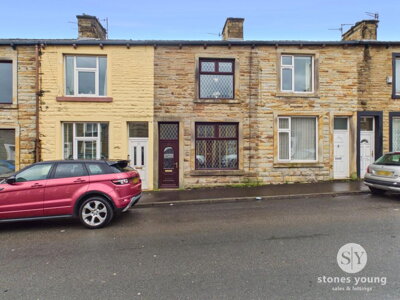
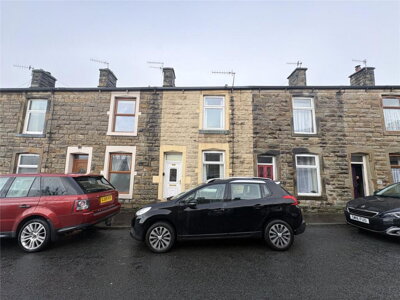
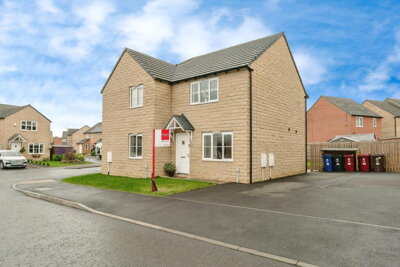
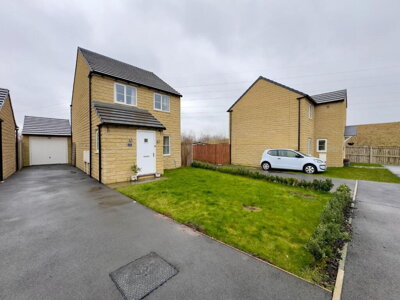
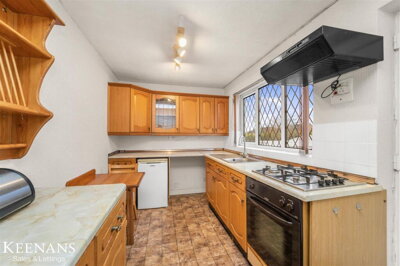
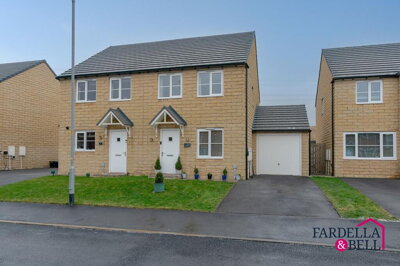
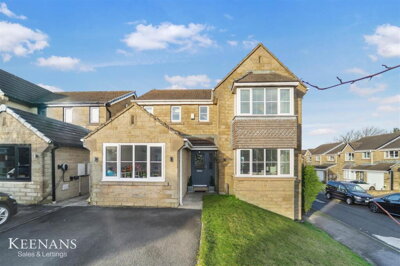
Hapton is a civil parish in the borough of Burnley, Lancashire, with a population of 2,238 residents according to the 2021 Census. The broader Hapton and Lowerhouse area encompasses approximately 6,191 residents across 2,661 households, creating a tight-knit community feel that appeals to families and retirees alike. The village sits alongside the Leeds and Liverpool Canal, offering scenic walks and waterways that enhance the local environment and attract visitors to the area's pubs and cafes.
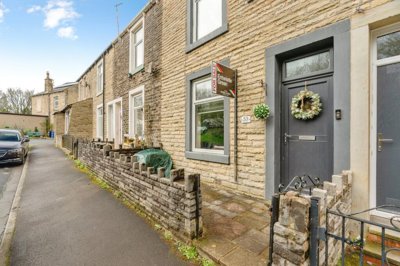
Historically, Hapton developed as an industrial village during the 19th century, with coal mining, cotton production, and chemical works driving the local economy. The village holds the distinction of being the first in England to have electric lighting and power installed for local mills and streets in the late 19th century, a point of local pride that reflects the area's innovative spirit. Today, while the heavy industry has disappeared, the legacy of this industrial heritage is visible in the terraced housing stock that lines many of Hapton's streets.
Transport connections make Hapton particularly attractive for commuters, with the M65 motorway providing direct access to Blackburn, Preston, and Manchester beyond. Hapton train station offers rail connections, while the A679 provides local road links throughout East Lancashire. The village centre features local amenities including shops, primary schools, and pubs, with more extensive facilities available in nearby Burnley town centre. The combination of rural village character with practical transport links explains the continued demand for properties in the area.
The local geology, typical of East Lancashire, features clay soils that can present building considerations for older properties. While the Leeds and Liverpool Canal passes through the parish, specific flood risk maps for Hapton itself were not identified in our research. Prospective buyers should always obtain appropriate surveys, particularly for period properties that may have solid walls rather than modern cavity wall construction. The presence of seven listed buildings in Hapton, including one Grade I (Shuttleworth Hall) and one Grade II* structure, adds character to the area but requires specific expertise when marketing period properties.











 Exp UK
-1d ago
Exp UK
-1d ago