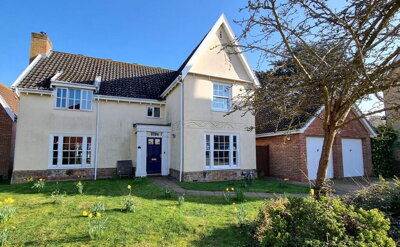
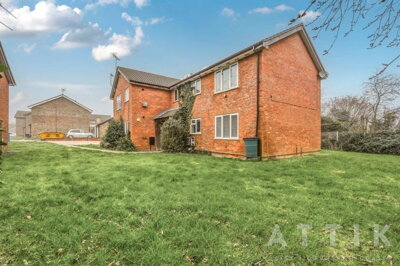
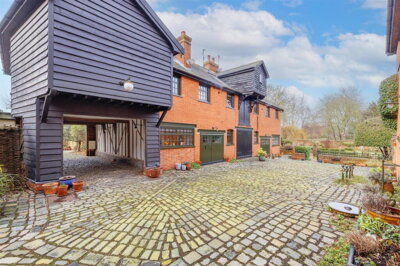
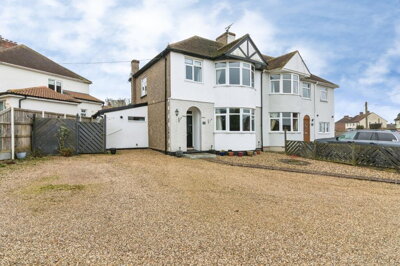
Halesworth sits in the heart of East Suffolk, approximately 5 miles from the coast at Southwold and positioned along the River Blyth, which flows through the town and contributes to its scenic character while also posing a consideration for flood risk in certain areas. The town has a population of approximately 4,800 residents across roughly 2,200 households, making it a compact but thriving market town with a strong sense of community and regular events that bring residents together throughout the year.
The local economy centres on agriculture, tourism, retail, and healthcare, with the town serving as a service centre for the surrounding rural area. Many residents commute to larger towns including Beccles, Norwich, and Lowestoft for work, though the growing remote working trend has strengthened demand for properties with suitable home office space. The town's independent shops, restaurants, and cultural venues add to its appeal as a place to live, while the annual events calendar and proximity to the Suffolk Coast attract visitors throughout the year, supporting the local economy and maintaining the town's vibrancy.
Transport links include the East Suffolk line connecting Halesworth to Ipswich and Norwich, making the town viable for commuters willing to tolerate longer journeys. Road connections via the A12 provide access to the broader region, though the relatively remote coastal location means most amenities in larger towns require a short drive. Schools in the area include primary education at Halesworth Primary School and secondary options at Bungay High School serving the wider catchment area, with the town's library, sports facilities, and community centre adding to its attractiveness for families.
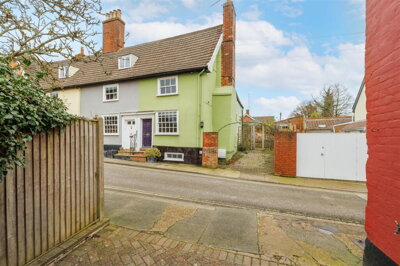
The historic centre features a designated Conservation Area encompassing much of the town centre, particularly along Thoroughfare, Market Place, and adjacent streets, where numerous listed buildings reflect the town's Georgian, Victorian, and Edwardian heritage. Properties in the conservation area may face additional considerations around permitted development rights and preservation requirements, making local agent expertise particularly valuable for sellers of period properties.











 Musker Mcintyre
-10d ago
Musker Mcintyre
-10d ago