Gunness is a village and civil parish in North Lincolnshire, situated on the south bank of the River Trent with a population of 1,069 residents across 445 households according to the 2021 Census. The village offers a peaceful rural setting while maintaining excellent transport links via the M180 motorway, making it ideal for commuters working in Scunthorpe, Grimsby, or the wider Humber region. The local economy benefits from proximity to logistics and distribution businesses, while the surrounding agricultural landscape contributes to the area's character.
The geological characteristics of Gunness present important considerations for property buyers. The area sits on superficial deposits of alluvium (clay, silt, sand, and gravel) overlying solid geology of the Mercia Mudstone Group, creating a moderate to high shrink-swell risk. This clay-based geology means properties may be susceptible to ground movement during periods of drought or heavy rainfall, potentially affecting foundations. A RICS Level 2 Survey is particularly valuable for identifying any structural issues related to ground conditions.
Flood risk is a significant consideration in Gunness due to its location on the River Trent floodplain. Parts of the village are designated as having high flood risk from rivers and the sea, with additional surface water flooding concerns during heavy rainfall due to the flat topography. Buyers should request a flood risk assessment as part of their due diligence. The village has no designated Conservation Area, though several listed buildings including the Church of St Peter, Gunness Hall, and The Old Rectory add historical character to the area.
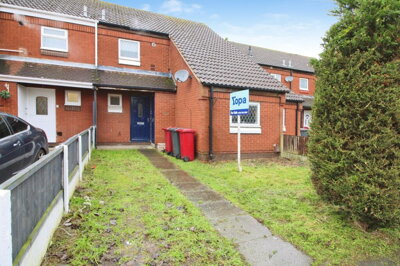
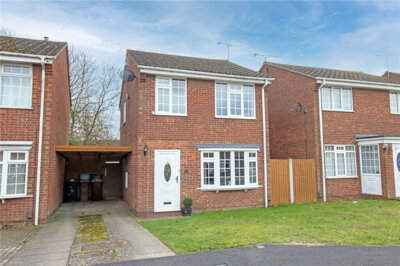
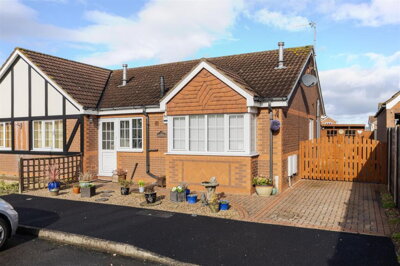
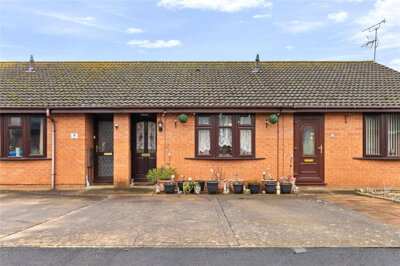
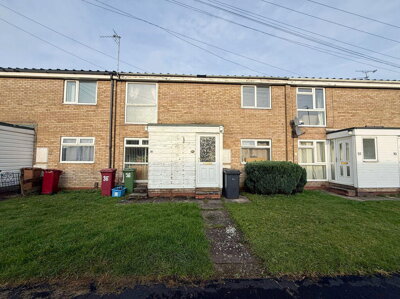
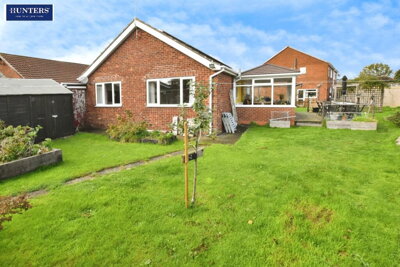
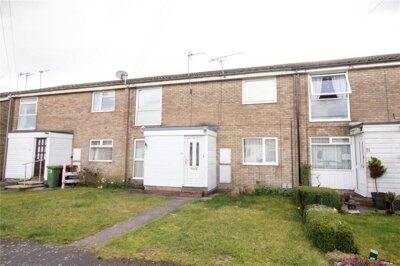
The age distribution of properties in Gunness shows that 66% of the housing stock was built before 1980, with 15.6% pre-dating 1919. This means the majority of properties will benefit from a RICS Level 2 Survey to identify common issues including damp, roofing problems, outdated electrics, and potential subsidence related to the clay geology. Properties built between 1945-1980 account for 39.5% of the stock, while 34% were constructed post-1980.











 Walshe'S Property
-31d ago
Walshe'S Property
-31d ago