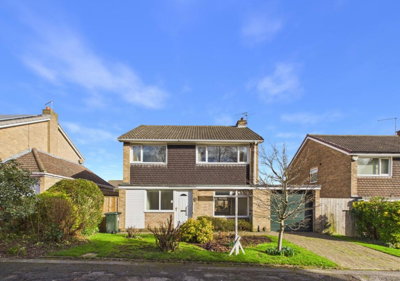
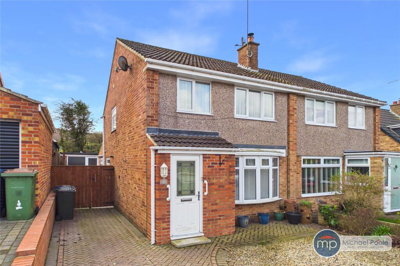
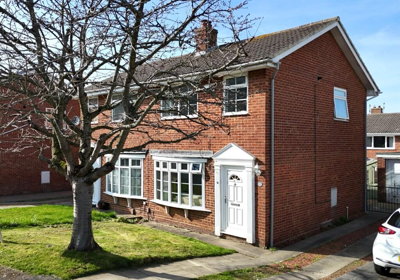
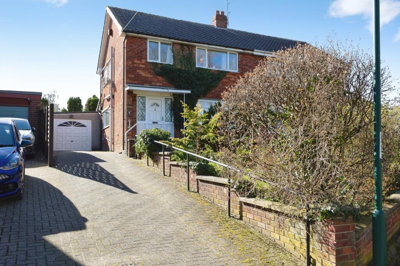
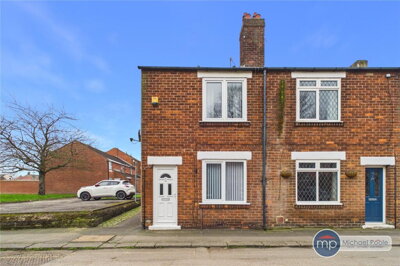
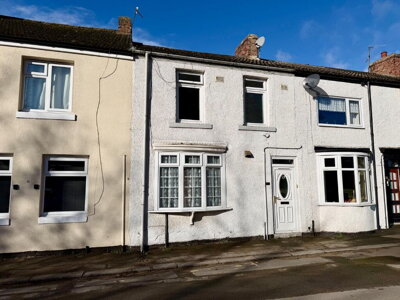
Guisborough sits nestled in the Tees Valley, approximately five miles from the North East coast, surrounded by the beautiful North York Moors. The town developed originally on a better-drained, slightly elevated, and south-facing site bounded by Chapel Beck, with historical buildings constructed from locally quarried stone. The arrival of ironstone mining brought significant expansion, with orange and red bricks and pantiles, manufactured locally from indigenous clays, becoming characteristic building materials from the mid-17th century onwards.
The town centre features a designated Conservation Area containing numerous listed buildings, including Gisborough Hall, a Victorian-era Jacobean revival style mansion built in 1856 which is Grade II listed. St Nicholas Church dates back to the late 15th century, possibly existing since 1290. The local geology presents some considerations for property owners, as the vale is covered by glacial drift comprising primarily heavy clay, which suggests potential for shrink-swell movement affecting foundations in some properties.
Flood risk concerns have been raised regarding certain new developments, particularly in relation to Hutton Beck and existing sewer capacity. Northumbrian Water has advised of insufficient capacity for foul flows for proposed housing plans off Stokesley Road. Buyers considering new build properties should make enquiries about drainage and flood risk assessments, while those purchasing older properties should factor in potential foundation movement issues associated with clay soils.
Guisborough serves as a thriving market town with a bustling centre featuring shops, cafes, and local businesses. The town is home to a campus of York's Askham Bryan College of Agriculture, adding an educational dimension to the local economy. Transport connections are strong, with the A171 providing access to Middlesbrough, Stokesley, and Whitby, while the A19 offers routes to Newcastle and York. The historical expansion of the 1960s and 1970s was driven by the chemical industry at Wilton and steel industry at Redcar, creating the residential suburbs that dominate the current housing stock.
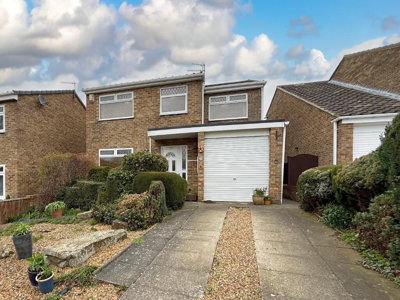
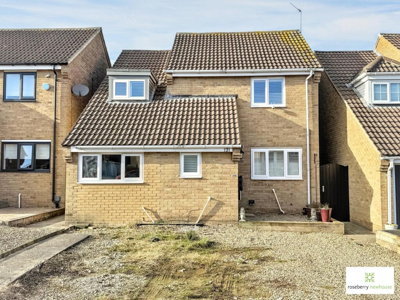
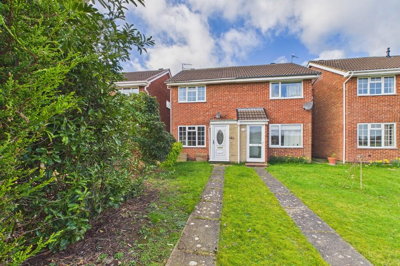
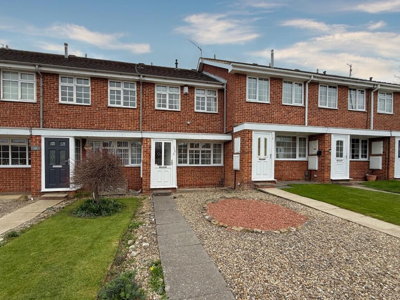
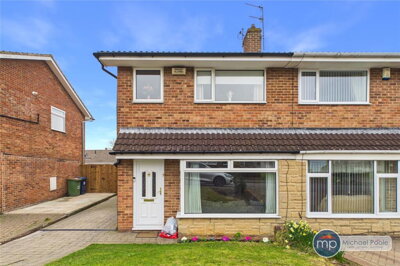
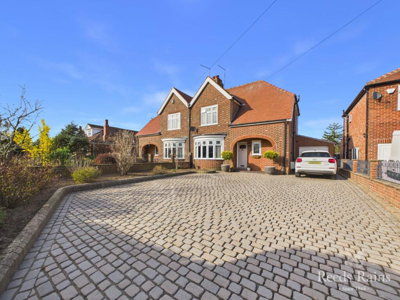
The predominant housing stock reflects the town's industrial heritage, with many semi-detached properties built during the expansion periods of the 1960s and 1970s. These properties typically offer three bedrooms and generous gardens, making them particularly popular with families. Period properties in the Conservation Area, constructed from local stone, represent a different market segment attracting buyers seeking character homes in the town centre.











 Reeds Rains
-9d ago
Reeds Rains
-9d ago