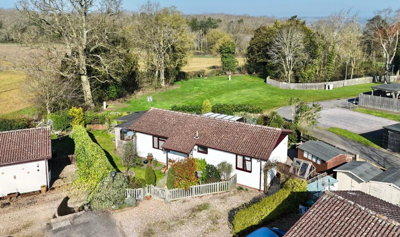
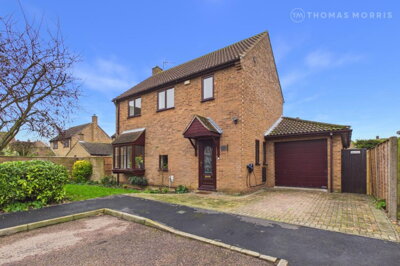
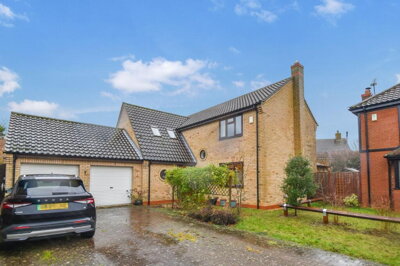
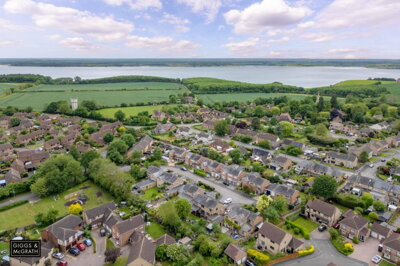
Grafham parish had a population of 598 according to the 2021 Census, though estimates for mid-2024 suggest this has declined to around 435, representing a significant -9.3% annual population change. This population shift reflects broader trends in rural Cambridgeshire, where younger households may be drawn to larger towns for employment and amenities while older residents remain or move into care. Despite this decline, the village retains its appeal for those seeking a peaceful rural lifestyle with good connectivity to larger employment centres.
The village retains its historical character through several notable listed buildings, including the Grade I listed Church of All Saints and multiple Grade II properties such as The Old Rectory, Model Farmhouse, and Village Farm. The use of gault brick in properties like Model Farmhouse (built around 1834) reflects traditional building methods common in this part of Cambridgeshire. These older properties require specialist knowledge from estate agents who understand the unique selling points and potential challenges of period homes, including listed building regulations that affect what modifications owners can make.
The local geology presents important practical considerations for property owners and buyers. Grafham sits on Oadby Glacial Till over Oxford Clay, with the village positioned on a modest hill of boulder clay. This clay-rich geology creates a shrink-swell risk, where soil volume changes dramatically with moisture content, potentially affecting foundations. Properties in the area may require specialist foundation design or ongoing maintenance to manage this geotechnical characteristic. The heavy clay soils also reduce the effectiveness of soakaways, contributing to surface water flooding issues during winter months when saturated ground cannot absorb additional rainfall.
Despite its small size, Grafham benefits from good connectivity to the wider region. The village lies close to the A1, providing straightforward road access to London, Peterborough, and the Midlands. Rail services from St Neots station offer journey times to London King's Cross of around 45 minutes, making the village viable for daily commuters. The nearby Grafham Water reservoir provides leisure opportunities including sailing, fly fishing, and cycling, contributing to the local economy through tourism and recreation. The reservoir also plays a role in flood management for the River Great Ouse system, with the treatment works increasing water intake during high-risk periods.
Local amenities in Grafham include a village hall and pub, though residents typically travel to St Neots (approximately 6 miles) for larger shops, supermarkets, and services. The nearest schools are also in surrounding villages and towns, making the daily school run a consideration for families. Our experience shows that agents who can highlight the connectivity and lifestyle benefits of Grafham position properties more effectively to the commuter buyer demographic that dominates demand in this price range.










 Peter Lane & Partners
-7d ago
Peter Lane & Partners
-7d ago