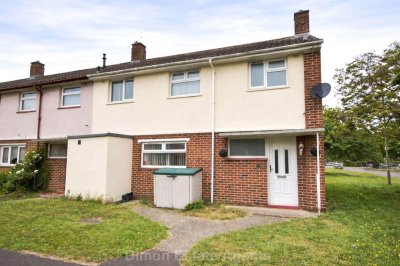
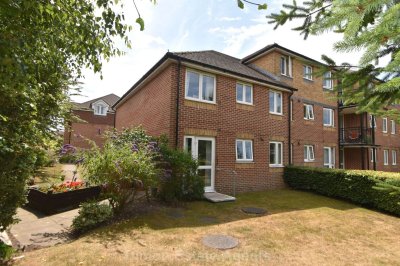
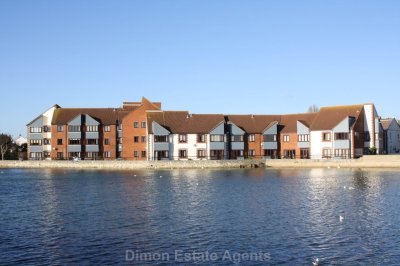
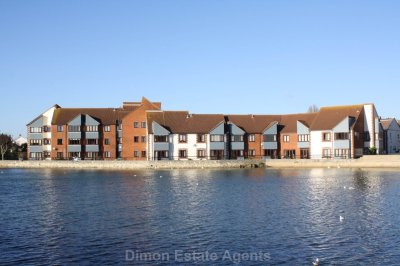
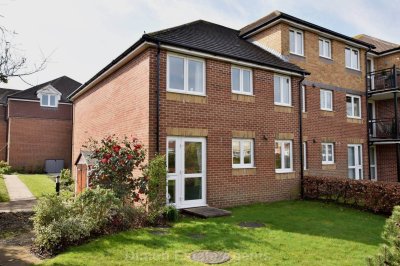
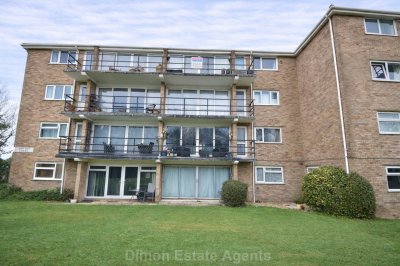
Gosport occupies a distinctive position on a peninsula between Portsmouth Harbour and The Solent, giving the area its characteristic coastal environment and maritime heritage. The town is home to approximately 84,683 residents across 36,198 households, with a housing stock that reflects its historical development from a Victorian naval town through post-war expansion to modern regeneration. The population demographics show a mix of retired naval personnel, young families, and commuters working in Portsmouth or Southampton, creating a community with diverse needs and expectations from the local property market.
The geological characteristics of Gosport present important considerations for property owners and buyers. The underlying geology consists largely of superficial deposits of River Terrace Deposits over solid geology of London Clay Formation and Bagshot Formation. The presence of London Clay indicates a moderate to high shrink-swell risk, meaning properties may experience foundation movement during periods of wet or dry weather. This geological factor is particularly relevant for older properties built before modern foundation standards, and prospective buyers should consider this when evaluating properties, especially in areas with established trees near buildings.
Flood risk is a significant environmental consideration for the Gosport property market due to its coastal position. Areas around Alverstoke, Lee-on-the-Solent, and parts of Gosport town centre face risks from both river and sea flooding, while surface water flooding affects urbanised areas during heavy rainfall. Properties in designated flood risk zones may require specific insurance considerations and potential buyers should investigate flood defence measures. The presence of multiple Conservation Areas, including Alverstoke, Ann's Hill, Clarence Yard, Forton, Gosport Town Centre, Hardway, Lee-on-the-Solent, and Priddy's Hard, means that certain properties may be subject to additional planning constraints and stricter regulations regarding alterations.
The local economy centres on defence and marine industries, reflecting Gosport's naval heritage, with significant employment from the ongoing redevelopment of the Daedalus site into an enterprise zone attracting aerospace, aviation, and marine businesses. Healthcare employment at Queen Alexandra Hospital in nearby Portsmouth, education, retail, and public services provide additional job opportunities. The strong commuter links to Portsmouth and Southampton make Gosport an attractive option for those working in these larger cities but seeking more affordable housing, with the ferry service across Portsmouth Harbour providing a convenient connection for commuters.










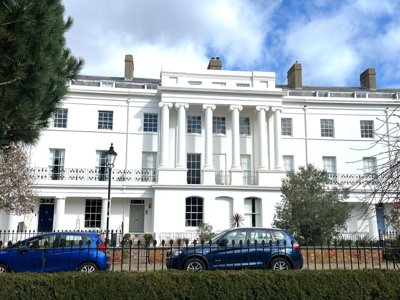
 Fairhalls
-1d ago
Fairhalls
-1d ago