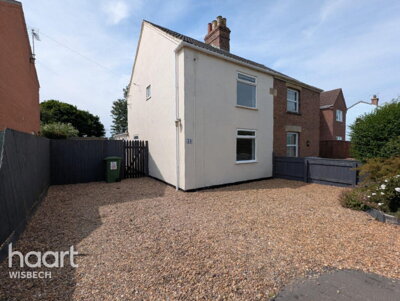
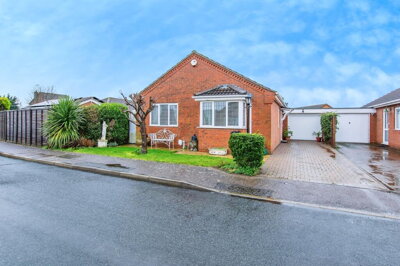
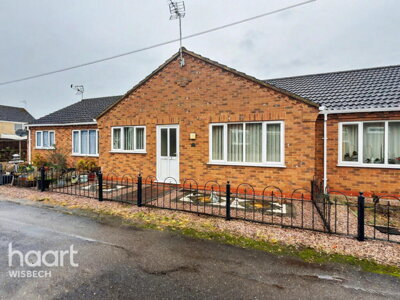
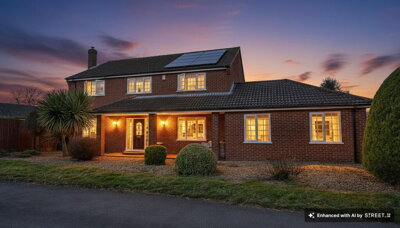
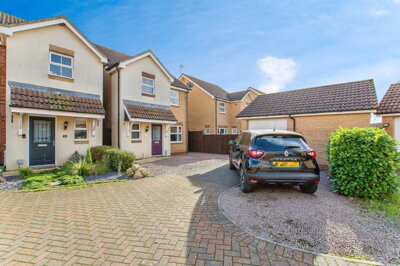
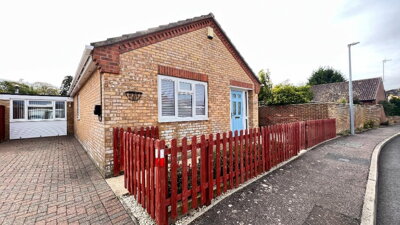
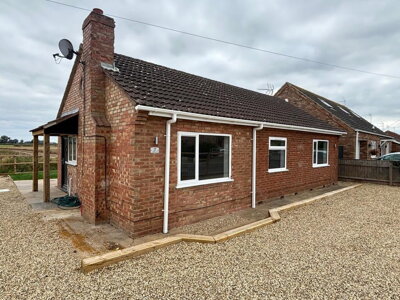
Gorefield nestles in the Cambridgeshire Fens, a distinctive landscape of flat, fertile farmland with unique geological characteristics. The village has grown from a population of 1,064 in 2001 to an estimated 1,290 in 2024, representing steady growth that reflects increasing interest in fenland village living. The community retains an agrarian flavour, surrounded by open farmland that defines the local character and provides the rural setting that attracts buyers seeking escape from larger towns. We've spoken to long-term residents who describe Gorefield as a place where community spirit remains strong, with annual events drawing people together.
The area's geology presents important considerations for property buyers. Gorefield sits on clay soils that present a shrink-swell risk, meaning properties may experience ground movement due to moisture variations. This geological characteristic makes it particularly important for buyers to commission a thorough RICS Level 2 Survey before purchasing, as issues related to subsidence or ground stability can significantly affect property values and require specialist attention. We've seen survey reports highlight this risk in properties across the village, particularly those with mature trees close to buildings.
Flood risk represents another environmental factor affecting the Gorefield property market. Several areas within the village, particularly around Back Road and sites adjacent to East View, fall within Flood Zones 2 and 3, representing the highest flood risk categories. Planning documents show that 41.87% of some development sites fall within Flood Zone 3. Any property purchase in these areas warrants careful investigation and appropriate insurance coverage. We've found that mortgage lenders often require flood risk assessments for properties in these zones, so factor this into your timeline.
Transport links serve the village reasonably well for a fenland location, with connections to Wisbech and surrounding market towns providing access to larger centres. The A47 provides routes toward Peterborough and King's Lynn, while the village benefits from its proximity to Wisbech for everyday amenities. We've noted that many residents commute to Peterborough, King's Lynn, or even Cambridge for work, making the A47 corridor important for the housing market. The presence of several Grade II listed buildings, including the Church of St Paul built in 1870, Honeyhill Farmhouse, Pockfield Farmhouse, and a barn west of Pockfield Farmhouse, adds historical character to the area and restricts certain development possibilities. These properties often attract buyers interested in period features, though they may require more maintenance.










 Aspire Homes
-8d ago
Aspire Homes
-8d ago