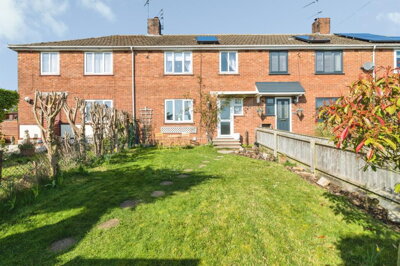
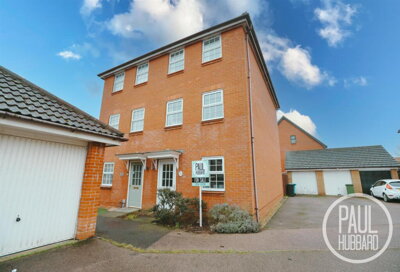
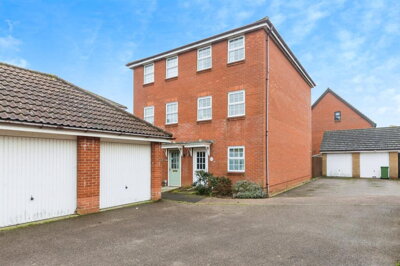
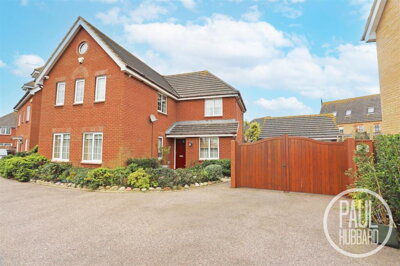
Gisleham is a small rural parish with a population of approximately 450 residents across roughly 180 households, situated in the East Suffolk district. The village retains a strong agricultural character, with the surrounding countryside contributing to its peaceful, semi-rural atmosphere. Despite its small size, Gisleham benefits from proximity to larger towns including Beccles and Lowestoft, both of which offer comprehensive shopping facilities, healthcare services, and employment opportunities within easy commuting distance.
The local economy in Gisleham remains largely rooted in agriculture, though many residents commute to nearby towns for work in manufacturing, retail, and service sectors. The village's proximity to Norwich, approximately 30 miles to the northwest, makes it viable for commuters willing to travel for broader career opportunities. This commuter appeal has helped maintain property values and demand, particularly among buyers seeking a balance between rural tranquility and access to employment centres.
From a geological perspective, Gisleham sits on superficial deposits of glacial till (boulder clay) overlying Crag Group formations, resulting in clayey soils with moderate to high shrink-swell risk. This geological characteristic is important for property owners to consider, particularly those with older properties that may have shallow foundations. Our inspectors regularly identify movement in properties built on these clay soils, especially during periods of drought or excessive rainfall when the ground expands and contracts significantly.
Flood risk in the village is generally low from rivers and coastal sources due to its inland location, though some low-lying areas near minor watercourses can experience surface water flooding after prolonged rainfall. We advise buyers to specifically check the flood risk for any property they are considering, as surface water flooding can affect gardens and access even when the property itself is not at risk. The geology team at our sister company has noted that properties with large trees nearby are particularly susceptible to foundation movement due to the clay soil's interaction with tree root systems.
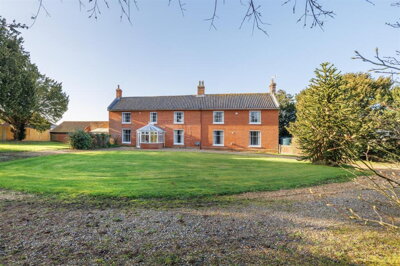
The village contains several Grade II listed buildings, including properties around St Mary's Church and various historic farmhouses and cottages. These heritage properties add character to the area but require specialist knowledge for any alterations or renovations. While Gisleham itself does not fall within a designated conservation area, the presence of listed buildings means that any significant works may require Listed Building Consent, adding complexity to the selling process for such properties.











 Durrants
-13d ago
Durrants
-13d ago