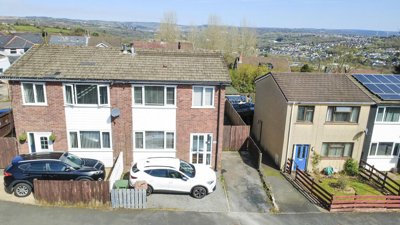
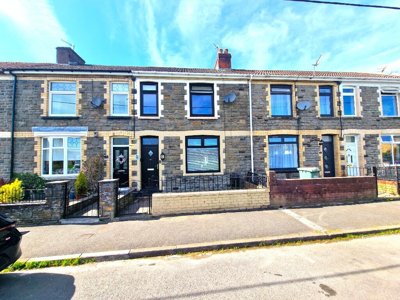
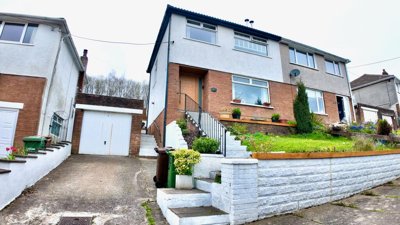
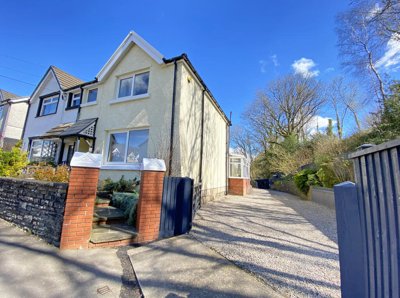
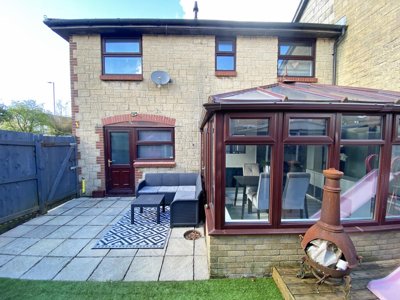
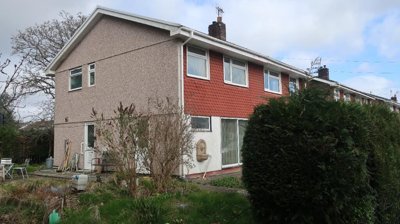
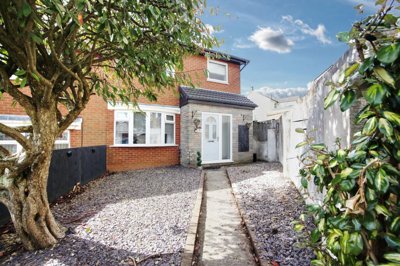
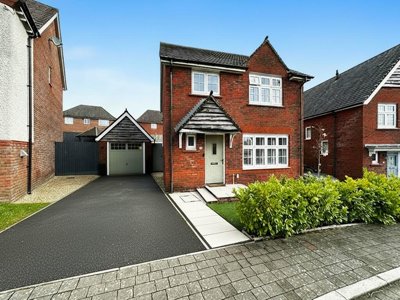
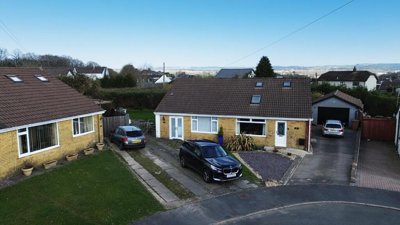
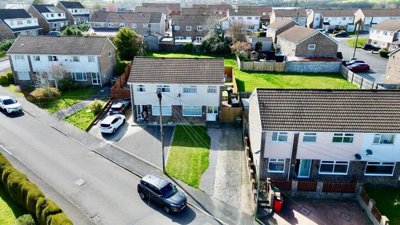
Gelligaer sits within the Caerphilly County Borough, nestled in the South Wales valleys with a community population of approximately 18,408 according to the 2011 census. The area's rich historical heritage is immediately apparent, with the historic core designated as a Conservation Area and numerous listed buildings including the impressive Llancaiach-fawr (Grade I listed Tudor manor house), the Church of St Catwg with origins dating back to the 8th century, and the striking Hengoed Viaduct (Grade II* listed). This architectural heritage shapes the character of the area and influences property values in the older neighbourhoods, with period properties often commanding premiums from buyers seeking character and history.
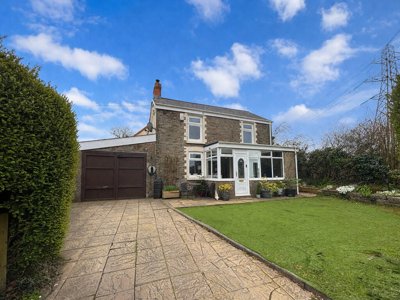
The local geology presents important considerations for property owners and buyers. The area sits on clay-rich soils common throughout South Wales, creating potential shrink-swell risks that can affect building foundations, particularly during extended dry periods or due to the influence of nearby trees. Gelligaer Quarry produces high PSV gritstone, indicating the underlying rock formations, and properties in the area may have historically used local stone in their construction, including the notable 18th-century stone cottage on Rectory Road. Surface water and fluvial flooding represent the primary flood risks given Gelligaer's inland location, though specific risk assessments should be sought for individual properties.
Transport links via the A469 and proximity to Ystrad Mynach railway station connect Gelligaer to Cardiff and the broader South Wales region, making it attractive to commuters seeking more affordable housing than the capital. The area's employment landscape reflects broader Welsh economic patterns, with human health, social work, wholesale, and retail trade representing key sectors. The legacy of coal mining remains embedded in the area's identity, though the economic transition since the mines' closure continues to shape local opportunities and property market dynamics.
The surrounding landscape offers excellent outdoor recreation opportunities, with the Brecon Beacons National Park accessible via the Heads of the Valleys road and numerous walking trails through the valley countryside. Families are drawn to the area for its community feel, good local schools, and relatively affordable property prices compared to Cardiff or the M4 corridor. The twice-weekly livestock market at Ross-on-Wye, though further afield, illustrates the agricultural heritage that coexists with the post-industrial identity of the South Wales valleys.










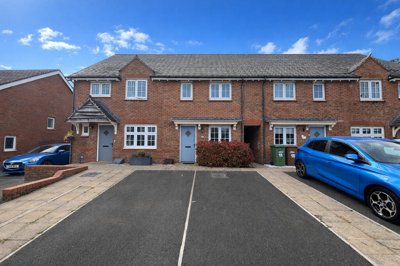
 Lucas Estates & Rentals
-2d ago
Lucas Estates & Rentals
-2d ago