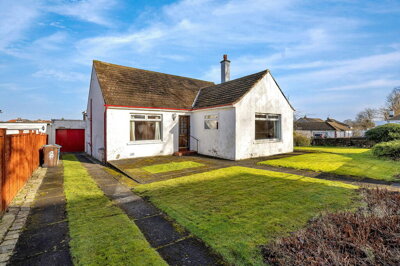
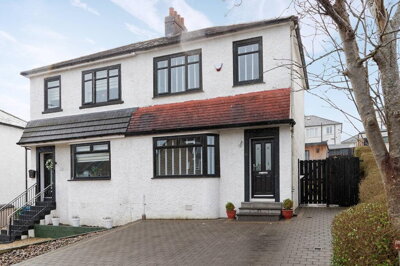
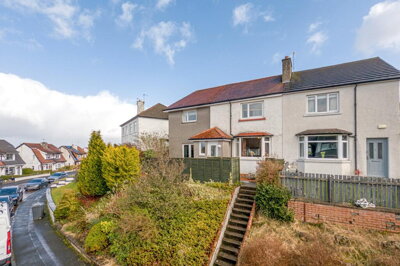
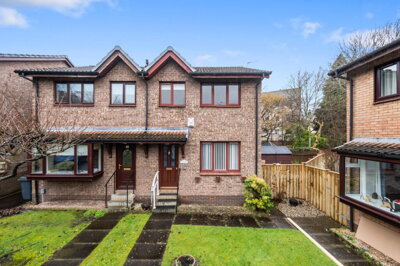
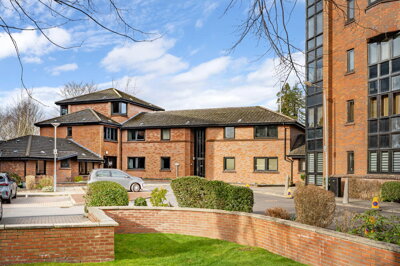
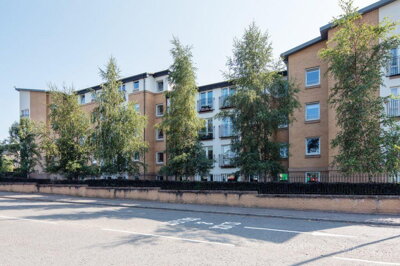
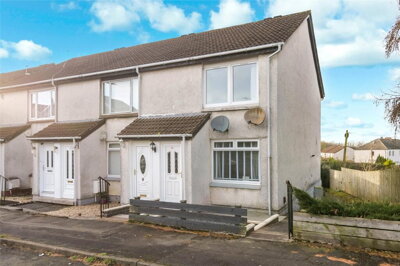
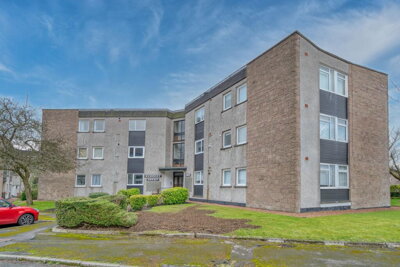
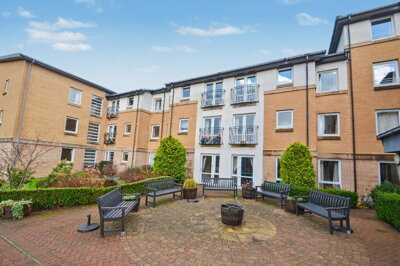
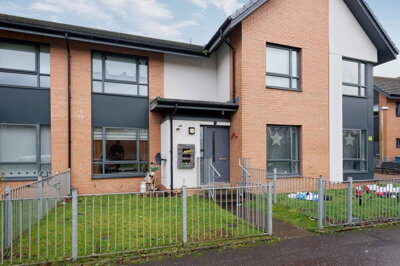
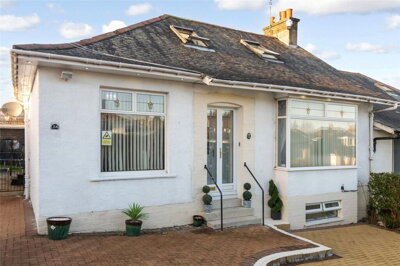
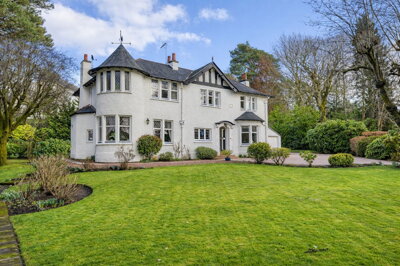
Given the mix of property ages in G46, common defects identified in surveys include damp issues particularly in older sandstone properties where weathering and failed damp-proof courses allow moisture penetration. Rising damp is particularly common in Victorian and Edwardian properties that may never have had damp-proof courses installed, or where these have failed over time. Penetrating damp often affects properties with degraded pointing, damaged flashings, or blocked gutters, particularly during Glasgow's wet winters. Our inspectors frequently find condensation issues in modern flats with inadequate ventilation, especially in properties converted from larger houses.
Roof condition issues are commonly identified, with slate and tile roofs on older properties showing wear, broken tiles, defective lead flashings, and deterioration of mortar pointing. The freeze-thaw cycles common in Scottish winters accelerate roof deterioration, and our inspectors regularly identify issues with flat roofs on extensions and garage structures that require ongoing maintenance. Timber defects including woodworm and rot affect roof structures and window frames, particularly in properties wherepaintwork has deteriorated or where ventilation is inadequate. Properties with original timber sash windows often require specialist restoration rather than replacement to maintain character and value.
The geological conditions in G46 create potential subsidence and heave risks due to the clay soils underlying much of the area. Glacial till (boulder clay) expands and contracts with moisture changes, potentially affecting foundations particularly where trees are nearby or drainage is poor. While not all properties are affected, our surveyors have identified movement issues in properties across the G46 area that require investigation. Additionally, the Glasgow area has historical coal mining activity, meaning some properties may be in areas at risk from mining-related subsidence. A mining report is often recommended for properties in areas where mining records indicate past activity.
Outdated electrical systems are commonly found in properties built before modern regulations, with pre-1970s properties often featuring old fuse boards, inadequate earthing, and cable wear that requires upgrading. Similarly, plumbing in older properties may feature galvanized steel pipes suffering from internal corrosion, leading to low water pressure and potential leaks. Asbestos-containing materials were used in properties built before 2000, commonly in Artex ceiling finishes, floor tiles, and insulation. Our RICS surveyors are trained to identify these materials and recommend appropriate action, ensuring sellers are aware of issues before marketing their property.











 Clyde Property
-6d ago
Clyde Property
-6d ago