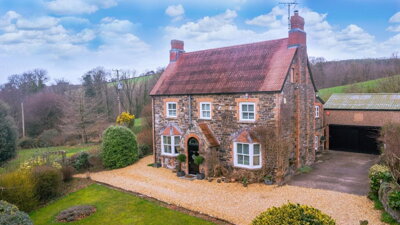
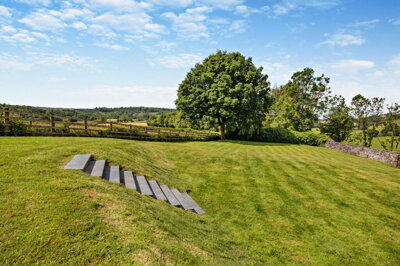
Filleigh is a small but remarkably characterful village with a population of approximately 282 residents according to the 2021 census, though estimates suggest this has grown to around 320 in recent years. The village sits in a picturesque valley setting, with the Castle Hill estate forming its historic and architectural heart. The entire village falls within the Grade I listed park and garden of Castle Hill, while the conservation area centred around the Church of St Paul protects the traditional character of the older settlement. This designation means property owners and developers must adhere to strict guidelines when considering alterations or new construction.
The local geology presents important considerations for property owners and buyers. Filleigh sits atop areas of clay-rich soil, part of the broader North Devon geology that includes the Codden Hill Cherts formation. These clay soils are susceptible to shrink-swell behaviour, where volume changes in response to moisture content variations can cause ground movement. This shrink-swell subsidence risk is responsible for approximately 70% of all subsidence cases in the UK, and buyers should factor this into their survey requirements, particularly for older properties with shallow foundations or trees close to buildings. The area also has historical links to limestone quarrying, with quarries active from the early 1760s to the late 19th century across the southern part of Castle Hill Park.
Flood risk is another environmental consideration in Filleigh. The stream to the south of the village falls within a designated flood zone according to the Environment Agency, and the area has historical precedent for flooding, notably during the devastating Lynmouth Flood disaster of August 1952. That event, which affected the rivers Barle, Exe, and Bray, underscores the importance of flood risk assessment for properties in lower-lying positions. Prospective buyers should consult Environment Agency flood maps and consider appropriate surveys for any property in identified risk areas.
Despite its small size, Filleigh maintains excellent connectivity. The village sits between South Molton and Barnstaple, providing access to everyday amenities, schools, and transport links. The nearby town of South Molton offers a range of services including supermarkets, healthcare facilities, and the historic pannier market, while Barnstaple provides larger retail centres and transport connections including rail links to Exeter and the wider national network. The village benefits from a strong sense of community, with a primary school, parish hall, and regular village events fostering the rural lifestyle that attracts residents to this corner of North Devon.










 British Homesellers
-38d ago
British Homesellers
-38d ago