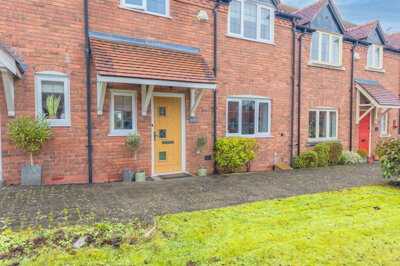
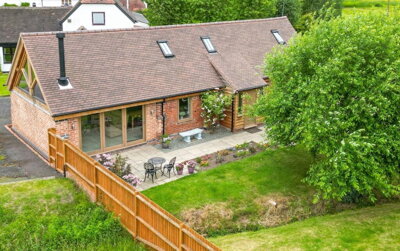
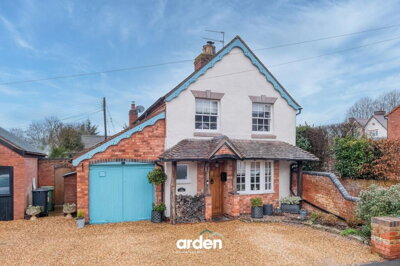
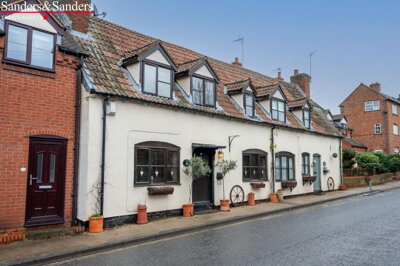
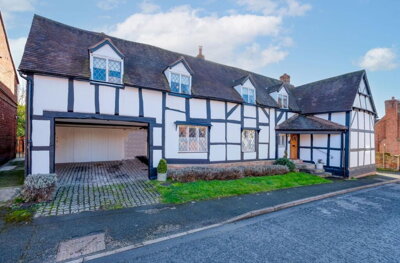
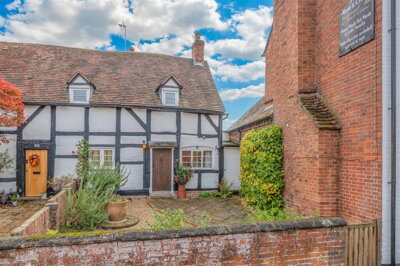
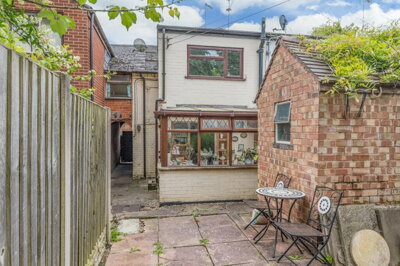
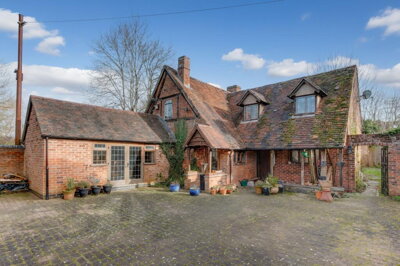
Feckenham is a village steeped in history, designated as a Conservation Area since 1969 and significantly expanded in 1995 and 2006 to protect its architectural heritage. The village centre features numerous timber-framed cottages from the 17th century alongside elegant late Georgian red brick houses, many of which are listed buildings. Properties such as The Manor, a Grade II* listed building remodelled around 1730, and Norgrove Court, built in 1649, showcase the area's rich architectural legacy. The historic Bow Brook Bridge and surrounding brook and weir were incorporated into the Conservation Area in 2006, preserving the village's distinctive character. The Feckenham Manorial Moated Site represents a nationally significant scheduled monument, reflecting the village's medieval origins.
The underlying geology presents important considerations for property owners and buyers. The area sits on clay and sands and gravels, with impermeable clays and mudstones dominating the Warwickshire Avon sub-catchment. There are also peatland bogs to the south of Feckenham. This clay-rich geology creates potential shrink-swell risk, particularly during periods of drought followed by heavy rainfall, which can affect foundations. The clay composition means that properties with mature trees nearby may experience greater ground movement, and homeowners considering renovations or purchasing period properties should factor in potential ground movement when evaluating structural surveys. Approximately 75% of subsidence cases in the UK relate to clay shrink-swell, making this a relevant consideration for Feckenham buyers.
Flood risk is a genuine consideration in Feckenham. The Bow Brook, which flows through the village, reached 2.47m in July 2007, causing significant flooding. The normal range sits between 0.07m and 1.25m, with low-lying land flooding possible above 1.25m. The "Whirly Hole" area west of the village, where Swans Brook becomes Bow Brook, represents a historical flooding spot dating back to Medieval times. Two tributaries, Spring Brook and Swans Brook, flow through very rural areas with no formal defences, and land drainage causes minor surface water flooding problems. Properties in low-lying areas near the brook require careful consideration, and appropriate flood resilience measures should be evaluated. Residents have raised objections to new developments on drainage grounds, highlighting ongoing concerns about surface water management.
The community offers practical amenities including a community-run shop and café, two public houses (The Rose & Crown and The Forest), a primary school, and sports clubs including cricket and football. Easy access to the M5, M42, and M40 motorways makes Feckenham attractive to commuters, with direct train services from Droitwich and Redditch connecting to Worcester, Birmingham, and London. The population stands at approximately 849 residents across 362 households, maintaining the village's intimate scale while supporting local services. Historically, Feckenham and nearby Redditch were known for the manufacture of needles and fish-hooks, with major employers like John English and Co. and W. W. Gould and Sons based in the village. Agriculture remains a major activity in the surrounding area.










 Arden Estates
-36d ago
Arden Estates
-36d ago