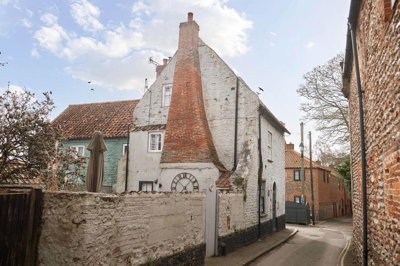
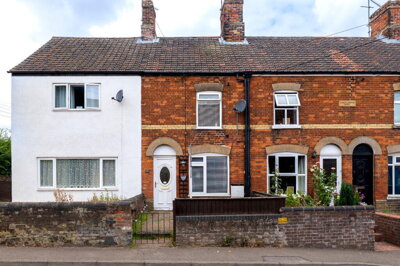
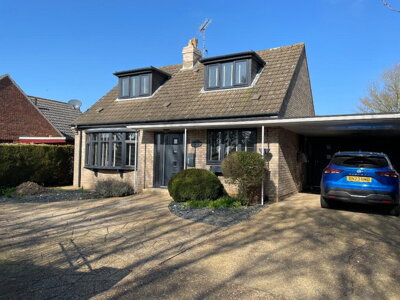
Fakenham serves as a service centre for the surrounding rural North Norfolk area, with a population of approximately 8,000 residents across roughly 3,500 households. The town retains much of its historic character, particularly within the designated Conservation Area that covers much of the historic town centre around the Market Place and Oak Street. This area contains a concentration of listed buildings, reflecting the town's architectural heritage and making it attractive to buyers seeking period properties with character. Properties in the Conservation Area often require specialist knowledge from estate agents who understand the additional regulations and the premium that period features can command.
The local economy is supported by a mix of retail, tourism, and light industrial businesses, with key employers including local businesses, agricultural services, and Fakenham Racecourse. Many residents commute to nearby towns including King's Lynn, Norwich, and the coast, though the town itself provides employment opportunities across various sectors. The property age distribution shows that approximately 25% of homes were built pre-1919, 15% between 1919-1945, 30% between 1945-1980, and 30% post-1980, meaning around 70% of properties are over 40 years old. This older housing stock means many properties will benefit from a professional survey to identify any potential issues before sale.
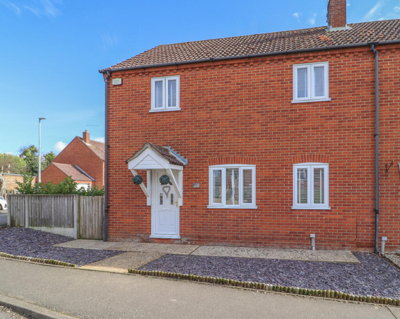
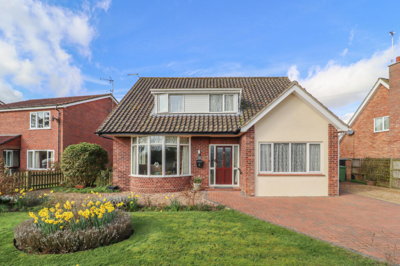
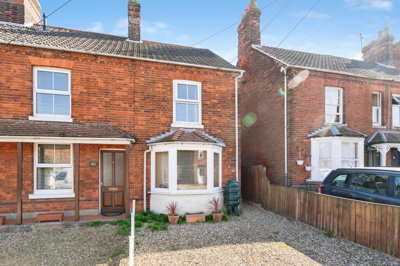
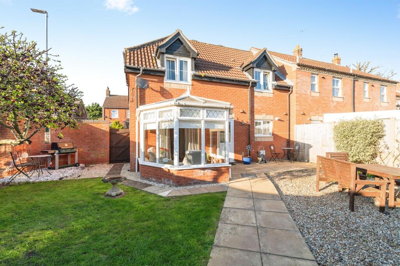
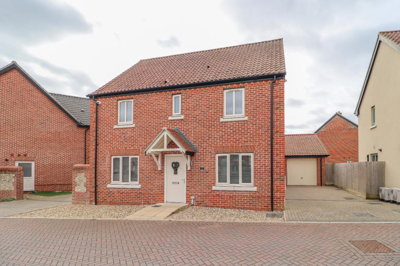
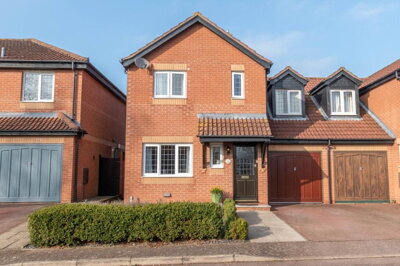
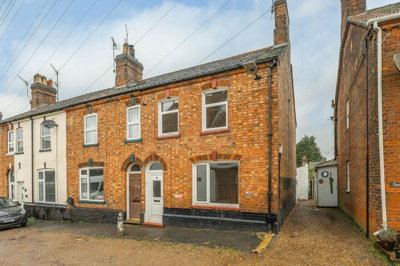
From a geological perspective, Fakenham sits on predominantly chalk overlain by glacial tills, sands, and gravels, which generally presents low shrink-swell risk. However, areas with significant clay content within the glacial till can experience moderate shrink-swell potential during extreme weather conditions. Properties near the River Wensum face some fluvial flood risk, and surface water flooding can occur in certain areas during heavy rainfall due to drainage capacity. The predominant building materials include traditional Norfolk red brick with pantile or slate roofs, with some older properties featuring flint work, a characteristic local building material. Estate agents familiar with these local construction methods can provide valuable insights to buyers about the characteristics and maintenance requirements of different property types.











 Minors & Brady
-1d ago
Minors & Brady
-1d ago