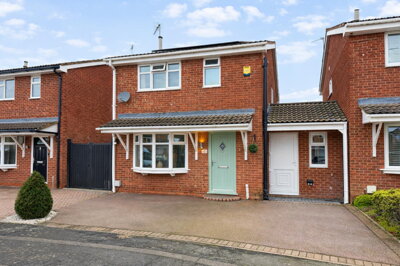
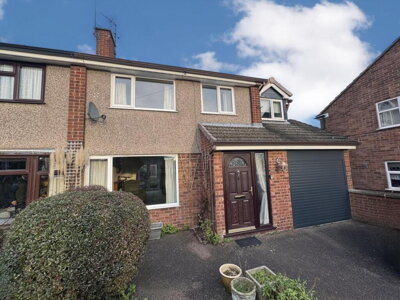
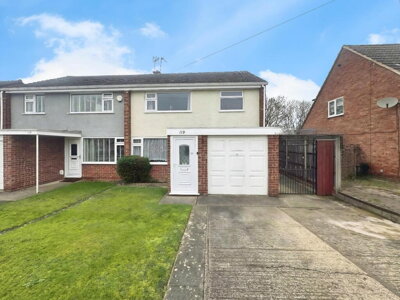
Enderby is a village that balances historical charm with modern convenience, making it an appealing location for families, commuters, and retirees alike. The village centre features the designated Conservation Area, centred around Main Street, Cross Street, and George Street, where you will find St John the Baptist Church, a Grade II listed building, alongside various Grade II listed cottages and farmhouses that reflect the village's agricultural heritage. The population stands at approximately 6,300 to 6,500 residents across roughly 2,600 to 2,800 households, creating a close-knit community atmosphere while still offering good local amenities.
The local economy benefits significantly from the presence of Next plc's headquarters, one of the UK major fashion retailers, which provides substantial employment opportunities for residents. Additionally, the village's proximity to major road networks including the M1 and M69 has attracted logistics and distribution centres, further strengthening the local job market. Many residents commute to Leicester, Coventry, or Nottingham, taking advantage of the excellent transport links, while others work locally in retail, healthcare, or education sectors. This economic stability underpins the housing market, providing consistent demand from working professionals and families alike.
The underlying geology of Enderby presents important considerations for property buyers. The village sits on Mercia Mudstone, a red silty mudstone, overlaid with Boulder Clay deposits in many areas. These clay soils have moderate to high shrink-swell potential, meaning properties may be susceptible to ground movement during periods of drought followed by heavy rainfall. Buyers should factor this into their property surveys, particularly for older properties with shallower foundations. Additionally, areas near the River Soar and Rothley Brook carry elevated flood risk, so appropriate surveys are essential for properties in these locations.
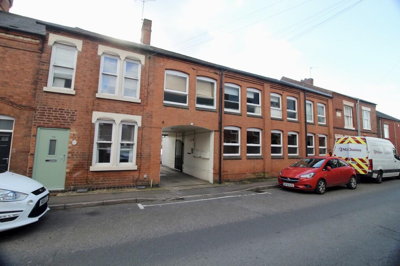
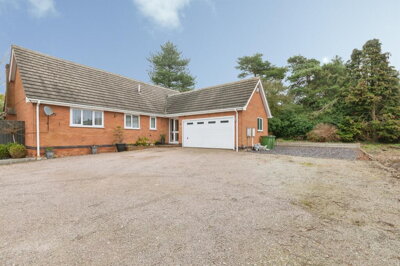
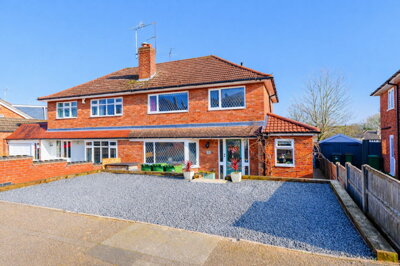
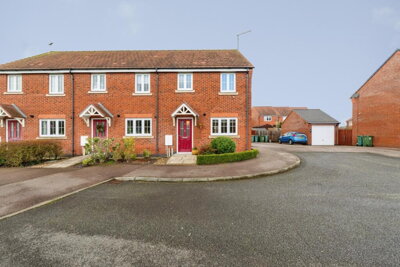
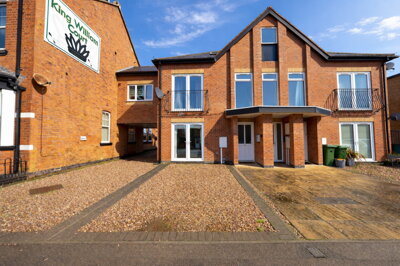
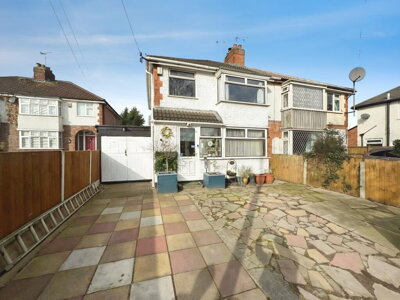
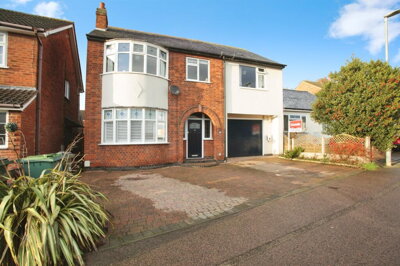
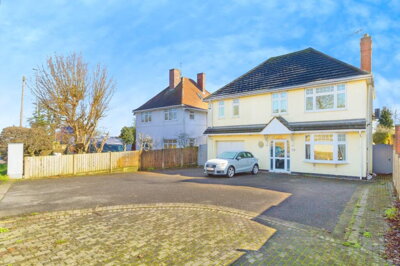
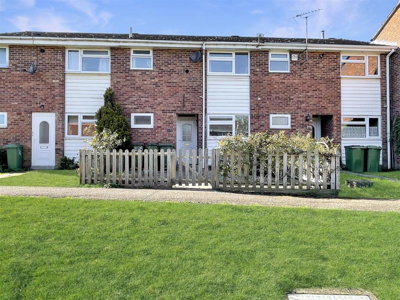
Housing stock in Enderby reflects its development history, with detached properties comprising approximately 30 to 35% of homes, semi-detached at 35 to 40%, terraced homes at 15 to 20%, and flats at 5 to 10%. The substantial post-war to 1980s construction boom created the family housing that dominates the area, while recent decades have brought new developments from Davidsons Homes, Bloor Homes, and Bellway. Traditional red brick construction with tiled roofs characterises much of the older housing, while newer properties use modern cavity wall techniques and energy-efficient designs.











 Carlton Estates
-8d ago
Carlton Estates
-8d ago