Eldersfield is a small but characterful parish in the Malvern Hills district of Worcestershire, situated close to the border with Gloucestershire. The 2021 Census recorded a population of 694 residents across 286 households, making it a close-knit rural community where neighbours know one another. The village centre features the historic Church of St John the Baptist, around which the Conservation Area is centred, protecting the architectural heritage that gives Eldersfield its distinctive character. The presence of numerous listed buildings throughout the village testifies to its historical significance and the quality of its traditional architecture.
The local geology presents important considerations for property owners and buyers. Eldersfield sits atop the Mercia Mudstone Group, a geological formation formerly known as Keuper Marl, which contains significant clay content. This creates potential for shrink-swell behaviour in the soil, meaning properties may experience ground movement during periods of drought or heavy rainfall. Homebuyers should be particularly attentive to this during surveys, as foundations in properties built on clay soils can be affected over time. The area also has superficial deposits of alluvium along watercourses, which can affect ground conditions near the village's streams.
Flood risk is another important local factor, with Eldersfield having areas at risk from both fluvial flooding (from the River Severn and its tributaries which flow nearby) and surface water flooding during periods of intense rainfall. Properties in low-lying positions or near watercourses should be thoroughly assessed, and buyers are advised to check the Environment Agency flood maps. Despite these natural considerations, the village remains highly desirable, with excellent transport links making commuting to Tewkesbury, Malvern, and Worcester practical for those who work in larger towns but wish to enjoy rural village life.
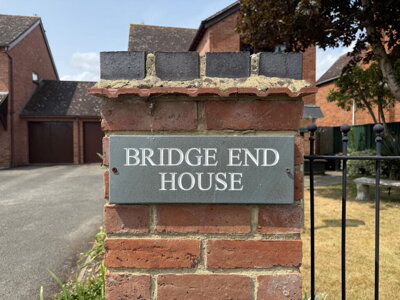
The predominant building materials in Eldersfield reflect its rural Worcestershire location, with traditional red brick, timber-framed construction, and rendered finishes common among older properties. Many homes feature slate or clay tile roofs, and properties closer to the Cotswolds may incorporate local stone. Given the age of much of the housing stock, with significant proportions pre-1919 and between 1919-1945, buyers should anticipate potential issues common to older properties, including solid wall construction lacking modern insulation, outdated electrical and plumbing systems, and the need for ongoing maintenance of period features.










 Wilkinson Sales, Lettings, Management
-294d ago
Wilkinson Sales, Lettings, Management
-294d ago






























