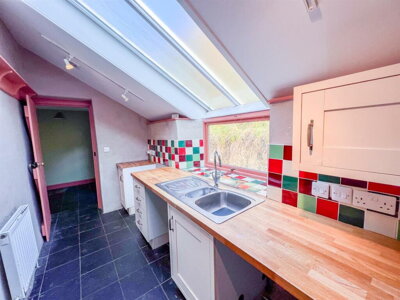
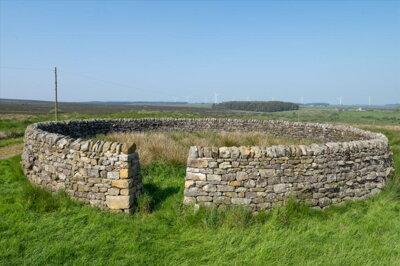
Eglingham village sits approximately 8 miles northwest of Alnwick in the heart of rural Northumberland, surrounded by rolling farmland and the distinctive landscape that makes this region so appealing to buyers seeking an authentic countryside lifestyle. The village is designated as a Conservation Area, meaning any development or alterations must preserve its special architectural and historic character. This protection ensures Eglingham maintains its distinctive appearance, with traditional sandstone buildings, winding lanes, and stunning views across the Northumberland countryside. The village centre features a historic church, traditional pub, and scattered farmsteads that create the quintessential rural English atmosphere that draws buyers to the area.
The local geology presents important considerations for property owners and buyers. Eglingham sits on Carboniferous bedrock comprising sandstones, mudstones, and limestones, with superficial deposits of glacial till (boulder clay) common throughout the area. This clay-rich subsoil creates a moderate shrink-swell risk, meaning properties with trees nearby or certain foundations may require careful monitoring. Surface water flooding can occur in low-lying areas during heavy rainfall, though the village itself sits above the immediate floodplains of the nearby River Breamish and River Aln. The local geology also means that many properties feature traditional solid wall construction rather than modern cavity walls, which has implications for insulation and damp resistance.
Demographically, the wider Eglingham civil parish had a population of 396 according to the 2011 census, though this has likely grown modestly since. The population comprises a mix of farming families, retired residents, and professionals commuting to larger towns. Key employers in the area include agriculture, tourism related to Northumberland's attractions, and commuting to towns like Alnwick, Morpeth, or Newcastle. The local economy retains strong ties to traditional industries while increasingly attracting remote workers and those seeking a better quality of life in the countryside. This demographic mix creates a property market where everything from modest cottages to million-pound country houses can find interested buyers.
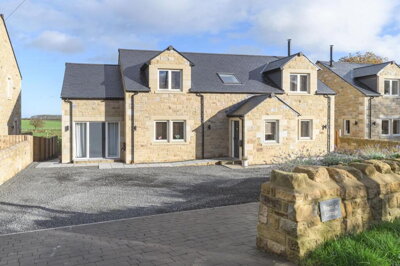
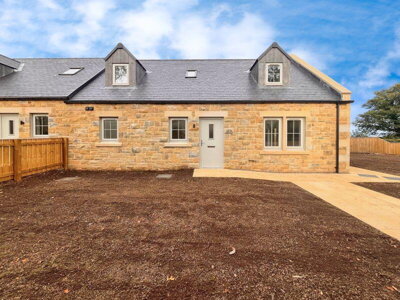
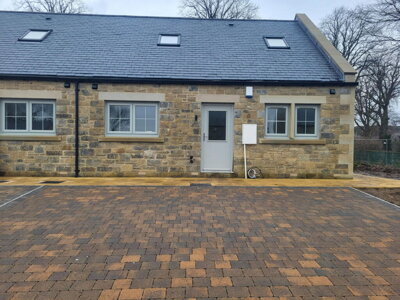
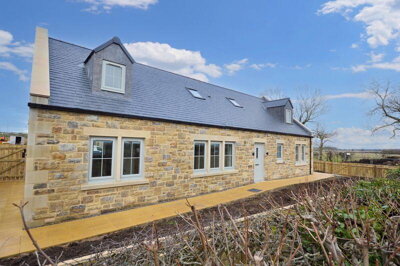
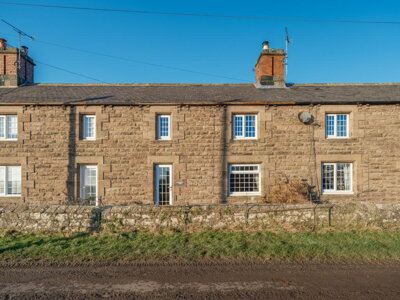
The building materials used throughout Eglingham reflect its rural setting and historical development. Traditional properties are predominantly constructed from local sandstone, typically appearing in warm light brown or grey tones that blend beautifully with the surrounding landscape. Many homes feature rendered exteriors, while roofing predominantly uses slate or traditional clay tiles. These materials contribute to the village's character but also mean that maintenance requirements can differ from newer properties, with stonework pointing, slate roof repairs, and timber window restoration being common considerations for buyers and owners alike.











 Greetham Gilbert
-66d ago
Greetham Gilbert
-66d ago