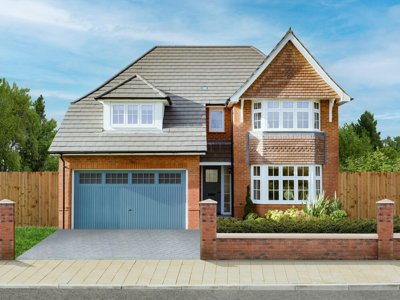
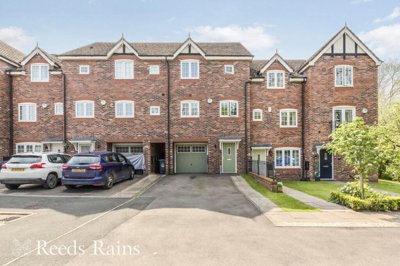
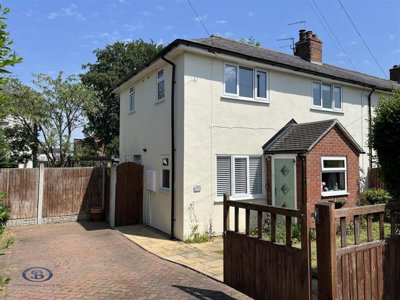
Congleton built-up area has a population of 32,333, and the wider constituency stands at 96,644. That scale gives the town a market-town feel without making it feel remote. Many listed homes use timber, brick, local stone and slate roofs, and the heritage stock is dominated by late 18th and early 19th century buildings. Some houses go back to the 16th and 17th centuries, so older streets need agents who can explain the fabric as well as the floor plan.
The River Dane matters here. Areas from Havannah to the A34 Clayton by-pass sit in a long-term flood warning area, and Congleton town centre has higher surface-water exposure because of the denser urban layout. There are no flood warnings or alerts in place right now, and the next five days are rated very low risk, but buyers still ask about drainage, insurance and ground levels. That question comes up often around homes near the river or lower-lying roads off the town centre.
Congleton has three conservation areas, West Street, Moody Street and Lawton Street and Park Lane, plus over 130 listed assets. West Street Conservation Area sits on Historic England's Heritage at Risk Register, and Moody Hall in the Moody Street area is also in poor condition. For movement, Congleton Station runs services to Manchester and Stoke-on-Trent, while the M6 at junctions 17 and 18 keeps the A34 route relevant for buyers heading further afield. Astbury Mere Country Park, Congleton Park, two golf clubs, a theatre and a leisure centre round out the day-to-day picture.
- River Dane flood warning area
- West Street Heritage at Risk
- Congleton Station services to Manchester and Stoke-on-Trent
- M6 junctions 17 and 18











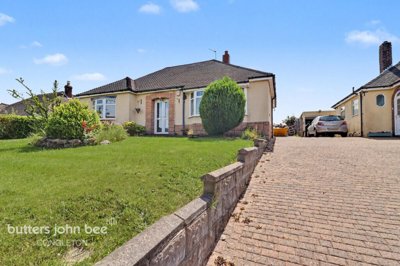
 Butters John Bee
-1d ago
Butters John Bee
-1d ago